Categories more
- Adventures (62)
- Arts / Collectables (14)
- Automotive (77)
- Aviation (65)
- Bath, Body, & Health (123)
- Children (6)
- Cigars / Spirits (71)
- Cuisine (66)
- Design/Architecture (22)
- Electronics (63)
- Entertainment (36)
- Event Planning (115)
- Fashion (45)
- Finance (10)
- Gifts / Misc (6)
- Home Decor (118)
- Jewelry (41)
- Pets (3)
- Philanthropy (1)
- Real Estate (16)
- Services (44)
- Sports / Golf (14)
- Vacation / Travel (85)
- Watches / Pens (33)
- Wines / Vines (34)
- Yachting / Boating (67)



How To Build A Personal Jewelry Wardrobe That Still Feels Effortless In 2026

Published
08/12/2026Table Of Contents
- Why A Jewelry Wardrobe Works
- Start With Your Daily Style
- Choose A Strong Foundation
- Add Personal Details
- Mix Metals With Purpose
- Layer With Balance
- Match Jewelry To The Occasion
- Choose Gemstones For Real Life
- Care For Everyday Pieces
- Common Jewelry Wardrobe Mistakes
- A Simple Shopping Checklist
- Conclusion
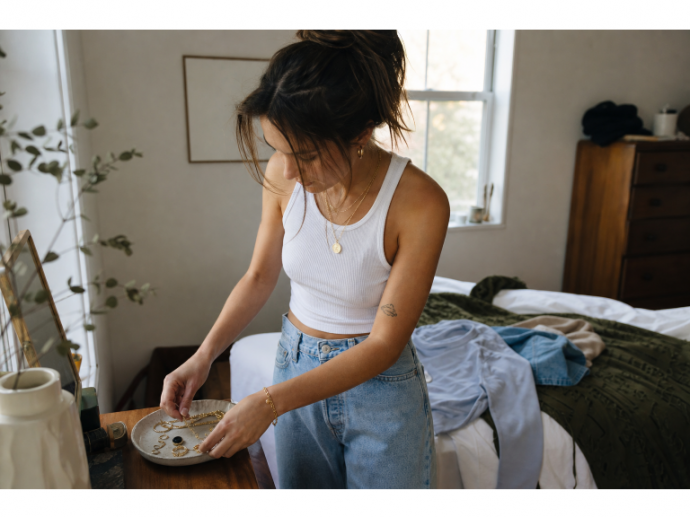
A personal jewelry wardrobe is not about owning something for every possible occasion. It is about choosing a small, flexible collection that makes getting dressed easier and helps your style feel yours recognizably. From everyday hoops to meaningful pendants and hand-crafted engagement rings, the most useful pieces balance beauty, comfort, and the way you actually live. Think of jewelry as the finishing layer of your closet. The right ring, chain, watch, or pair of earrings can make familiar clothing feel intentional, while still being simple enough to reach for on an ordinary Tuesday. The goal is not perfection or constant novelty. It is an edited collection that can move with you from work to weekends, celebrations, and everything in between. Start by noticing which pieces you put on without thinking. Those habits reveal more than an aspirational mood board: perhaps you always choose warm gold, dislike dangling earrings, or need closures you can manage quickly. Your wardrobe should solve these practical preferences first, then make room for experimentation and celebration.
Why A Jewelry Wardrobe Works
When pieces are selected to work together, fewer items can create more outfits. A slim chain may look polished on its own, add depth beneath a pendant, or complement a collared shirt. A favorite band can be worn solo during the week and stacked for dinner. This approach also keeps purchases grounded in real routines rather than one-time events. Current 2026 jewelry trends continue to make room for expressive stacking, color, sculptural shapes, and pieces that carry personal meaning. Use those ideas as inspiration, not as a reason to replace what already suits you. A watch can also act as an anchor piece, especially for someone who prefers a more tailored or understated look. Exploring pre-owned high-end timepieces can help you compare classic case shapes, metal finishes, and bracelet styles before deciding which ones fit naturally into your collection.
Start With Your Daily Style
Begin with the clothes you wear most often. Consider your work environment, preferred necklines, how frequently you exercise, and whether your weekends involve denim, dresses, travel, or outdoor activity. Jewelry should support those habits, not require you to change them. Before buying, picture the piece with at least three common outfits. A small pendant may work with a blouse, a knit, and an open-neck dress. A sculptural ring might be less practical for typing or errands, but perfect with a sleek evening look. Both can belong in the same wardrobe when each has a clear role. Consider proportions in relation to your features and clothing, rather than treating jewelry as a separate purchase. Tiny studs can disappear beside a substantial coat collar, while oversized hoops may compete with patterned tops. Trying pieces on with usual glasses, layers, and hairstyle gives a clearer sense of scale overall.
Choose A Strong Foundation
Core Pieces To Consider
- Comfortable everyday earrings: Small hoops, studs, or compact drop earrings that do not snag hair or feel heavy.
- A versatile chain or pendant: Choose a length that works with your most common necklines and leaves room for layering.
- A simple ring: A band or low-profile design can stand alone, mix into a stack, or add subtle shine beside a watch.
- A bracelet or watch: Select something secure and comfortable enough to wear without constant adjustment.
Shape, scale, comfort, and metal color usually matter more than chasing every short-lived trend. If an item pinches, catches on sweaters, or feels too precious to wear, it is unlikely to become a dependable favorite.
Think about both construction and appearance. Smooth backs on earrings, rounded ring interiors, sturdy jump rings, and reliable clasps determine whether a design becomes part of your routine. For worn jewelry, ask whether repairs, resizing, replacement parts, or adjustments are possible when purchasing pieces intended to last many years. Budget benefits from a wardrobe approach. Rather than buying similar items at once, prioritize the category you reach for most and choose the quality your budget allows. Wear it for months before filling the next gap. This pause reveals whether you truly need another chain, more earring options, or a better storage solution. It makes room for occasional sentimental purchases without making the collection feel random.
Add Personal Details
Initials, birthstones, zodiac symbols, engraved dates, and heirloom-inspired details can turn a simple outfit into something more considered. The most effective personal pieces often have a quiet story behind them, even if nobody else immediately knows what that story is. Start with one meaningful item, such as an engraved pendant or birthstone ring. Pairing several symbols at once can look overly matched, while one intentional detail leaves room for the rest of your style to breathe. Personal jewelry can also mark a chapter without announcing it literally. A pendant chosen on a meaningful trip, a stone in a family color, or a redesigned heirloom can carry a memory in everyday form. Scale matters here, too. An engraved disc can be subtle enough for daily layering, whereas a larger locket may work best as the focal point of an outfit. Consider the reverse side of a pendant, the placement of an engraving, or a hidden detail inside a ring. These choices make a piece feel intimate while keeping it versatile.
Mix Metals With Purpose
Mixing yellow gold, white metals, and rose-toned pieces can look relaxed and modern when there is a visual connection. Repeat one finish in at least two places, such as a silver-toned watch with white-metal earrings, then add a yellow-gold ring. A mixed-metal bracelet or two-tone watch can also bridge the combination. Do not focus on color alone. Similar weight, shape, and texture help separate metals feel cohesive. Delicate polished chains, for example, usually combine more easily than one chunky hammered bracelet and several ultra-fine pieces. Use your skin tone only as a loose reference, not a rule. Yellow, white, and rose metals can all look excellent when they echo colors elsewhere in an outfit, such as belt hardware, eyewear, or shoe details. The convincing combinations feel repeated and deliberate, rather than divided into matching sets.
Layer With Balance
- Choose one focal point, such as a pendant, statement ring, or bold cuff.
- Add one supporting piece in a different length, width, or texture.
- Keep the remaining jewelry quieter.
- Step back from the mirror before adding another layer.
Contrast creates clarity. Try necklaces that sit at different points on the chest, rings with varied widths, or a smooth bangle beside a textured chain bracelet. Stacking should look collected over time, not crowded into one visual area.
Necklace length is useful for creating a sense of order. A short chain near the collarbone, a mid-length pendant, and a longer accent each need space between them. This spacing also prevents chains from tangling and gives each piece a purpose. If your neckline is high, shift the focus to earrings, rings, or a bracelet rather than forcing necklaces into a small area. For open necklines, adjust chain lengths before leaving home; a few centimeters can make a layered look feel calm rather than accidental.
Match Jewelry To The Occasion
Jewelry does not need to follow a day-to-night rule, but context helps you decide which pieces will feel effortless. For a busy workday, small hoops, studs, a fine chain, and a low-profile ring often provide enough polish without creating distractions. For a wedding, dinner, or formal event, choose one element with greater presence: gemstone earrings, a sculptural cuff, or a layered necklace. Consider movement, lighting, and photographs as well. Pieces that look balanced indoors may catch the light differently in bright sunlight or flash, so try them with the outfit before the occasion.
Choose Gemstones For Real Life
Choose gemstones according to both appearance and wear frequency. Diamonds, sapphires, and rubies are typically practical choices for rings that see regular use, while softer stones or delicate settings may suit pendants and occasional pieces better. A bezel or low setting offers additional protection for active days. Color is equally useful: a small stone can echo a favorite shade in your wardrobe, making it easier to wear beyond special occasions. Ask how the piece will be cleaned, insured, and serviced before committing.
Care For Everyday Pieces
Wipe frequently worn jewelry with a soft, dry cloth after use, especially after applying lotion, sunscreen, or after exercise. Store chains separately when possible, fasten clasps before putting them away, and keep pieces away from moisture and household cleaners. Periodically check prongs, stone settings, and closures for movement or wear. Professional inspection is worthwhile for cherished rings and watches, since catching a loose component early is usually simpler than repairing a lost stone.
Common Jewelry Wardrobe Mistakes
The most common mistake is buying several versions of the same item before testing what you actually wear. Another is saving every meaningful piece for later; a thoughtfully chosen item earns its place by becoming part of your life. Avoid forcing trends that clash with your comfort, or creating a collection with no practical earrings, chains, or everyday rings. Edit occasionally, keeping what feels useful, sentimental, and unmistakably you.
A Simple Shopping Checklist
- Does it work with the three outfits I already own?
- Can I wear it comfortably for several hours?
- Does it fill a genuine gap rather than repeat an existing piece?
- Will its care requirements fit my routine?
- Would I still choose it if the trend disappeared tomorrow?
If the answer is yes to most of these questions, give yourself a short pause before buying.
Conclusion
A thoughtfully built jewelry wardrobe is less about owning more pieces and more about choosing the right ones. By focusing on comfort, versatility, quality, and personal meaning, you can create a collection that complements your lifestyle and reflects your individual style every day. Start with dependable essentials, add distinctive pieces gradually, and invest in craftsmanship that will stand the test of time. Caring for your jewelry and making intentional purchases helps each piece remain wearable for years rather than seasons. As your style evolves, your collection can grow with it, incorporating new favorites while preserving sentimental treasures. The most successful jewelry wardrobe is one that feels authentic, adapts to different occasions, and makes getting dressed simpler, more enjoyable, and unmistakably your own.
Comments
