Categories more
- Adventures (199)
- Arts / Collectibles (315)
- Automotive (219)
- Aviation (279)
- Bath, Body & Health (513)
- Children (116)
- Cigars / Spirits (271)
- Cuisine (723)
- Design / Architecture (1118)
- Electronics (222)
- Entertainment (162)
- Event Planning (295)
- Fashion (550)
- Finance (195)
- Gifts / Misc (141)
- Home Decor (558)
- Jewelry (396)
- Pets (91)
- Philanthropy (124)
- Real Estate (386)
- Services (221)
- Sports / Golf (213)
- Vacation / Travel (1036)
- Watches / Pens (223)
- Wines / Vines (861)
- Yachting / Boating (6471)



How To Choose Gelato In Miami, Florida: Flavor, Texture, And Dietary Tips

Published
10/25/2026Key Takeaways
- Gelato and ice cream can differ in texture, serving temperature, and richness.
- Miami heat and humidity make serving style, timing, and seating more important.
- Fruit sorbets, dairy-free options, no-added-sugar selections, and cream-based flavors serve different preferences.
- Smooth texture, clear flavor, and sensible ingredient choices can matter more than the length of a menu.
- A gelato stop can fit naturally into an afternoon outing, family activity, post-dinner walk, or food-focused day.
Table of Contents
- Gelato Vs. Ice Cream: What Sets Them Apart?
- Why Miami’s Climate Changes The Dessert Experience
- How To Choose A Flavor
- What Texture Can Tell You
- Dietary Options To Look For
- When Toppings Help And When They Do Not
- How Local Food Culture Shapes Gelato Choices
- A Simple Gelato Visit Checklist
- Final Thoughts
Choosing gelato in Miami, Florida is about more than picking the brightest color in the case. The best choice depends on the day’s heat, whether you want a refreshing fruit-forward scoop or a rich dessert flavor, and how quickly you plan to enjoy it.
For readers comparing Miami gelato, Anita Gelato offers a useful local example. Its Aventura shop serves handcrafted frozen desserts, including rotating gelato flavors, sorbets, frozen yogurt, no-added-sugar options, toppings, and signature jams. With a location on Biscayne Boulevard serving the Aventura area and nearby South Florida visitors, Anita Gelato is a helpful reference point for the variety and customization many guests look for in a modern gelato stop.
Gelato Vs. Ice Cream: What Sets Them Apart?
Gelato and ice cream are both frozen desserts, but they are not identical experiences. Gelato is often churned with less air, which can create a denser, silkier spoonful. It is also commonly served a little warmer than hard-scooped ice cream, allowing flavors to register quickly on the palate.
That does not make gelato automatically healthier or better. Recipes vary widely in dairy content, sugar, mix-ins, and portion size. A simple fruit sorbet may feel light and clean, while a chocolate, hazelnut, cookie, or caramel creation can be a full dessert. The practical question is not which label wins. It is which flavor, serving size, and ingredients suit the moment.
Why Miami’s Climate Changes The Dessert Experience
Miami’s warmth can turn a leisurely cone into a race against melting. On a humid afternoon, a cup is usually the easier option if you are strolling through a neighborhood, browsing shops, or traveling by car. A cone works well when you plan to eat right away and want the crisp contrast of wafer and gelato.
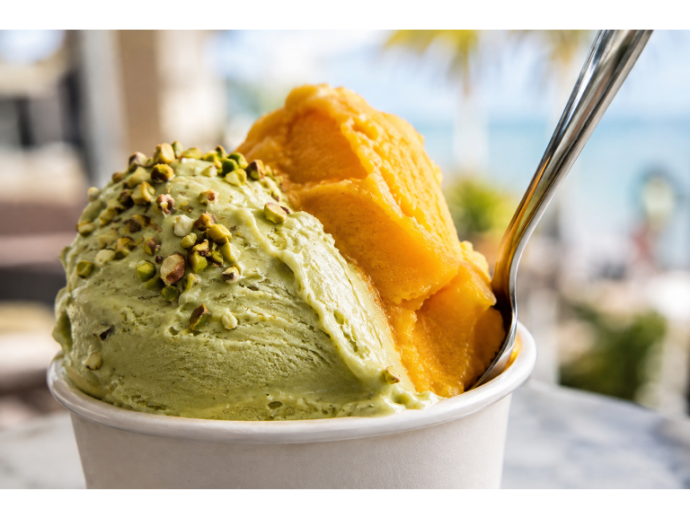
Consider matching the flavor to the time of day. Mango, passion fruit, coconut, citrus, and berry sorbets can feel especially refreshing after time outdoors. In the evening, when a walk or dinner may set a slower pace, richer flavors such as pistachio, chocolate, coffee, or salted caramel can feel more satisfying. Nearby seating and a shaded route are small details that can make the dessert much more enjoyable.
How To Choose A Flavor
Start With A Familiar Benchmark
Classic flavors give you an easy way to judge a shop’s style. Vanilla, chocolate, pistachio, hazelnut, and caramel are useful starting points because their flavors should be recognizable without being flat or overly sweet. If you are tasting samples, begin with delicate choices before trying intense chocolate or nut-based flavors.
Add One Flavor That Feels New
A two-flavor cup is a simple way to combine comfort and curiosity. Pair a creamy flavor with something bright, such as chocolate with raspberry, pistachio with citrus, or vanilla with mango. Seasonal selections are also worth asking about, especially when they feature fruit or ingredients that sound good to you.
Balance Rich And Light
When one scoop contains nuts, chocolate pieces, cookie crumbs, or a thick swirl, choose a cleaner companion flavor rather than adding another heavy option. A tart sorbet can reset the palate between bites and keep the overall dessert from feeling one-note.
What Texture Can Tell You
Texture is one of the clearest signs of whether a flavor suits your taste. Cream-based gelato should generally feel smooth and cohesive, while sorbet should taste clean and fruit-led. Large ice crystals can make a scoop feel coarse, although a little variation can occur in recipes with high fruit or water content.
Look beyond the appearance of a piled-high display. A good scoop should melt gradually in your mouth and taste balanced as it softens. Nut flavors often feel fuller and more rounded, while fruit flavors may finish brighter. The goal is not identical texture across every flavor, but a texture that supports what the flavor is trying to express.
Dietary Options To Look For
Dietary needs deserve a clear conversation before ordering. Ask whether a fruit option is dairy-free, whether a no-added-sugar item contains sweeteners, and whether the cone or toppings contain gluten, nuts, eggs, or dairy. “Vegan” and “dairy-free” can overlap, but they do not always mean the same thing in every setting.
For guests with a food allergy, ingredients are only part of the decision. Shared scoops, utensils, preparation surfaces, and topping stations can create cross-contact concerns. The FDA’s food allergy guidance identifies milk, eggs, peanuts, tree nuts, wheat, soy, sesame, fish, and crustacean shellfish among the major allergens recognized in the United States. If an allergy is serious, ask staff direct questions and choose only what feels appropriately safe.
When Toppings Help And When They Do Not
Toppings can add a welcome contrast, but they should support the base rather than hide it. Toasted nuts can reinforce pistachio or hazelnut. Fresh fruit can brighten chocolate or cheesecake-style flavors. A crunchy cookie element can give a smooth vanilla or coffee scoop more dimension.
In Miami weather, restraint helps. Chocolate sauces can soften, crisp pieces can lose crunch, and an overloaded cup can become difficult to eat. Try the gelato first, then add one or two elements that provide a clear purpose: crunch, fruitiness, or a touch of extra richness.
How Local Food Culture Shapes Gelato Choices
Miami’s dining culture brings together Latin American, Caribbean, Italian, Jewish, and many other culinary traditions. That mix makes tropical fruit, coffee, coconut, chocolate, nut flavors, and dessert-inspired combinations feel at home beside traditional Italian-style favorites.
Instead of treating gelato as an isolated stop, build it into the day. Share a cup after lunch, use it as a break between shopping and an evening plan, or choose it as a relaxed finish after dinner with friends or family. The surroundings, weather, and people at the table can shape the experience as much as the flavor itself.
A Simple Gelato Visit Checklist
- Scan the menu: Look for classic, fruit-based, dairy-free, and no-added-sugar choices.
- Sample with purpose: Try one familiar flavor and one new option when samples are available.
- Choose the serving style: Pick a cup for a longer walk and a cone for a quick stop.
- Plan for the weather: Seek shade, seating, or an evening visit if you want to linger outdoors.
- Ask dietary questions clearly: Confirm ingredients, toppings, cones, and possible shared equipment.
- Keep toppings focused: Choose additions that complement the scoop instead of covering it.
Final Thoughts
The right gelato choice in Miami is personal. Match the flavor to the weather, choose a texture you enjoy, consider dietary needs carefully, and let the occasion guide the portion and serving style. A little curiosity, a thoughtful pairing, and a plan to enjoy it before it melts can turn a simple scoop into a memorable South Florida dessert break.
Comments
