Categories more
- Adventures (117)
- Arts / Collectables (52)
- Automotive (110)
- Aviation (133)
- Bath, Body, & Health (276)
- Children (63)
- Cigars / Spirits (128)
- Cuisine (256)
- Design/Architecture (97)
- Electronics (98)
- Entertainment (56)
- Event Planning (146)
- Fashion (186)
- Finance (19)
- Gifts / Misc (52)
- Home Decor (223)
- Jewelry (153)
- Pets (34)
- Philanthropy (7)
- Real Estate (125)
- Services (79)
- Sports / Golf (59)
- Vacation / Travel (515)
- Watches / Pens (108)
- Wines / Vines (410)
- Yachting / Boating (144)


How to Plan a Business Trip With Multiple Meetings in New York

Published
09/22/2026A day in New York City filled with numerous corporate meetings may seem easy to manage. But once you begin actual travel arrangements, you may understand that it is not the corporate meetings that are difficult; managing the things in between also takes up a huge chunk of your time and energy.
You could be having a meeting at Grand Central, another one on the West Side, and a dinner with a client downtown. Though it looks like just a short trip on the map, the reality accounts for the crowds in the streets, the traffic, the search for parking, and much more. This is why you need to plan a corporate trip in New York more carefully.
Rather than trying to accomplish the maximum, your aim should be to cut out unnecessary effort, protect your time, and deliver each meeting with focus without any rush. Let’s have a deeper insight into how you can do that.
Choose Your Accommodation According To Your Meeting Schedule
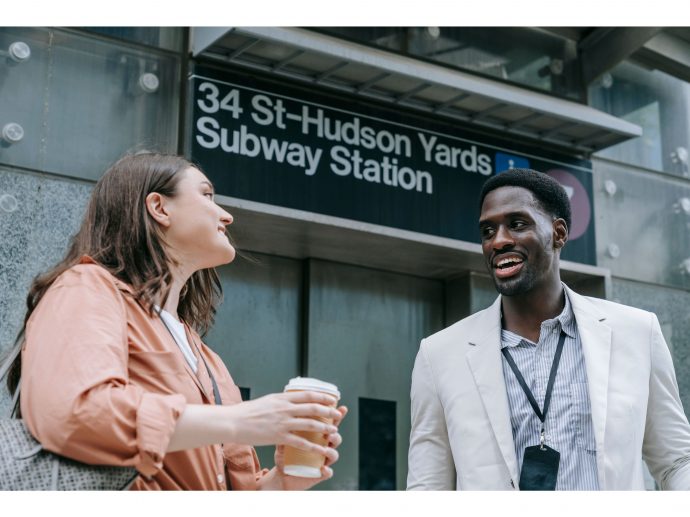
Travelers usually pick a hotel first, then plan the itinerary around it. For a corporate trip, do it conversely and observe where most of your major meetings are being held. For instance, if most of your meetings are scheduled around Midtown East, staying in proximity to Grand Central could end up saving you much more time than staying downtown. Likewise, if a conference or multiple meetings are scheduled around Hudson Yards, staying on the west side could make things a lot easier.
While a budget hotel might be the most affordable solution, once you factor in the cost of multiple taxis, travel time, and the mental energy of watching the clock, it might actually be the most expensive. However, proximity does not mean you need to stay next door to every meeting. The goal is simply to avoid beginning and ending every working day with a difficult cross-city journey.
Add Buffer Time To Your Travel Plan
Standard map applications are not always accurate when determining travel duration between locations. The commute, which is supposed to take a few minutes according to the map, may take a lot more time when you travel during peak hours.
So it's always wise to plan an extra 45-minute gap when your meetings are scheduled between different neighborhoods. You will need that cushion for three specific reasons:
- Access Control for Buildings: It can be frustrating in corporate towers like Midtown, Hudson Yards, or World Trade Center to gain access. Printing visitor badges, scanning identification, and passing through security can easily take 10-15 minutes.
- Elevator Delays: During rush hours or during shift change, waiting for an express elevator can add an additional 5 to 10 minutes.
- Sidewalk Navigation: Walking through the city streets with a laptop bag, portfolio, or winter coat on, in the midst of heavy pedestrian street traffic is slower and more tiring than you expect.
Choose A Smart Means Of Transportation
Your mode of transportation determines how fresh you feel when you walk into the meeting room. Every means of commuting has its own set of pros and cons; let’s have a look:
The Subway
It’s one of the fastest modes of transportation. During rush hour, express lines like the 4/5/6 or the E/M trains will travel miles down the island in a matter of minutes while traffic above the ground remains completely stationary.
While it is a smart travel option, it's equally exhausting; squeezing onto crowded platforms and train stations in a business suit can make you feel more exhausted and drained before even your meeting starts.
Rideshares & Cabs
By hiring cabs or rideshares, it’s pretty simple to get a door-to-door service that everyone prefers. But with that advantage comes the inconvenience of unpredictability and high expense.
Since these rides are booked last minute, there is no pre-planning involved, which can force you to face typical congestion, as you can’t change the route when you are already stuck in the middle of traffic. Plus, there is no privacy to take a sensitive phone call when needed, which kind of negates the whole idea of private transfer.
Private Chauffeured Transport
This travel option offers you the freedom to schedule your transit the way you want with a pre-booked vehicle. Plus, you get the much-needed privacy when you have a few scheduled business calls on the way.
A private rental with a professional driver is especially beneficial when you are traveling with a group. Plus, it serves as an economical option since the price of a single vehicle gets divided among everyone rather than hiring individual rides.
Now for small to medium-sized groups, there are various group travel options that allow everyone to travel in a single vehicle that makes coordination a piece of cake. A Sprinter van rental can be the most appropriate option to go for because of its easier accommodation for small groups and smarter travel outcomes when you are headed for a corporate meeting or even arranging a client trip.
It is understandable that NYC traffic can make your travel feel more of a hassle than convenient. But having reliable transportation is all you need to go for private and focused travel.
Streamline Your Airport Arrival
Your airport arrival sets the tone for the entire trip. Getting caught in unexpected gridlock after a flight can drain your energy before your first meeting even begins:
La Guardia (LGA)
- Near Midtown, but totally highway-focused.
- Best for arriving early or late to Midtown or Upper Manhattan.
JFK International
- If you prefer a direct transcontinental flight, this is your best option.
- Best when you are arriving between 3:00 PM and 7:00 PM; you can catch the AirTrain, which connects you to the LIRR.
Newark (EWR)
- Situated across the Hudson, in the state of New Jersey.
- Ideal for an immediate ride to reach meetings in FiDi, Tribeca, or Hudson Yards.
Tip: Never schedule a meeting within two hours of your planned landing time. Flight delays, baggage waits, and tunnel traffic will turn a tight window into a missed appointment every single time.
Pick a Strategic Base Camp Hotel
Select a hotel that has easily accessible and extensive central transit networks and has a relaxing, quiet lobby or executive lounge where you can work comfortably if your meeting gets postponed.
|
District |
Recommended Hotel |
Why It Works |
|
Midtown Central |
The Langham, Fifth Avenue |
The Good: Quiet rooms and large, ergonomic work desks. Cons: Higher price; right in the middle of Midtown tourist traffic. |
|
Financial District |
The Beekman (A Thompson Hotel) |
Benefits: Steps from Wall Street, featuring an incredible, quiet lounge for morning check-ins. Disadvantages: Slightly isolated if your afternoon meetings get pushed unexpectedly to Midtown. |
|
Hudson Yards |
Equinox Hotel Hudson Yards |
Pros: Built entirely around performance, wellness, high-tech amenities, and dark, soundproof rooms. Cons: Premium pricing. |
|
NoMad / Flatiron |
The Ned NoMad |
Benefits: Fantastic central Manhattan location with ideal spaces for informal drinks with clients. Drawbacks: Lobbies can get busy in the late evening. |
Pack for Mobility
Every extra pound in your briefcase or bag is a strain when you're walking across city blocks between appointments. Fixing it is quite easy, all you need to do is to reduce your load and pack smartly. Best tips include:
- Small High-Power Charger: A single 65W or 100W GaN wall charger can charge both a laptop and a phone, reducing significant weight and cable mess.
- Slim MagSafe Battery Pack: Snap a magnetic battery onto your phone so you never have to look for wall outlets in busy cafes or conference rooms.
- Structured Leather Folio or Slim Backpack: Bulky and extra-large rolling bags can look awkward in compact executive conference rooms and may slow you down on the way. It's better to carry a slim bag that looks stylish and is easy to handle.
- Weather-Ready Kit: Carry a small windproof umbrella in your bag, and wear good-quality leather shoes with comfortable soles, especially in winter, and your feet will thank you by the end of the day.
Comments
