Categories more
- Adventures (62)
- Arts / Collectables (14)
- Automotive (77)
- Aviation (65)
- Bath, Body, & Health (123)
- Children (6)
- Cigars / Spirits (71)
- Cuisine (66)
- Design/Architecture (22)
- Electronics (63)
- Entertainment (36)
- Event Planning (115)
- Fashion (45)
- Finance (10)
- Gifts / Misc (6)
- Home Decor (118)
- Jewelry (41)
- Pets (3)
- Philanthropy (1)
- Real Estate (16)
- Services (44)
- Sports / Golf (14)
- Vacation / Travel (85)
- Watches / Pens (33)
- Wines / Vines (34)
- Yachting / Boating (67)



How to Transport a Luxury Car in 2026

Published
04/02/2026Moving a luxury car in 2026 takes more than just booking a carrier and waiting it out. These vehicles need careful handling the whole way through, from pickup to final delivery, because even small details can make a difference. They demand a level of control that standard shipping just can't deliver.
But the truth is, service quality is a lot more variable than most people think it should be. This guide is here to give you a clear view of what sets standard shipping apart from luxury car transport, how to pick a provider that's really up to the task, what your insurance actually covers, and where risks tend to pop up.
By the end of it, you should have a solid idea of how to move a luxury vehicle without exposing it to unnecessary risks.
What Defines Luxury Car Transport Today
Luxury car transport today comes down to control. Not just where the vehicle is going, but how every part of that movement is handled. While standard shipping focuses on efficiency and load capacity, luxury transport shifts that focus toward precision handling and reduced exposure, where fewer touchpoints and tighter coordination matter more than speed.
As a result, the bar is a lot higher at every stage. Pickup times are tighter, cars are handled with way more care, and routes are planned with the goal of avoiding anything that could go wrong rather than just cutting down on distance. And instead of treating your car like just another load, good transport companies look at it as a high-priority individual asset with its own specific needs.
In 2026, what happens day in and day out is just as important as how well the car is protected. Owners want to know how often a car is handled, how it's secured, and just how predictable the whole process is from start to finish. Precision is what matters now.
How to Choose the Right Transport Provider
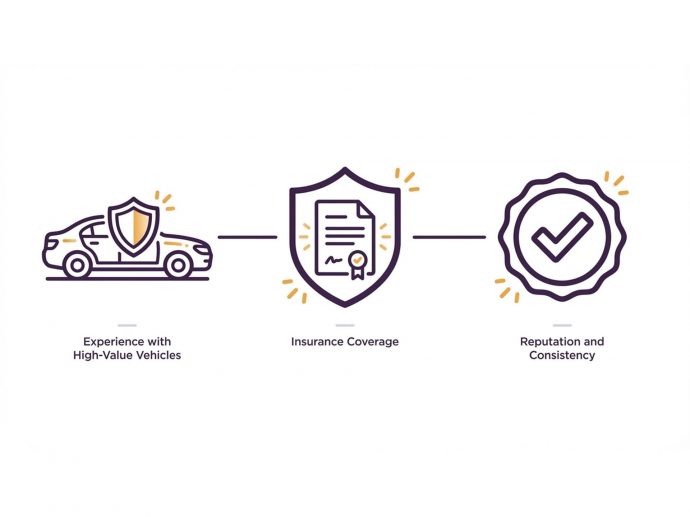
Experience With High-Value Vehicles
Experience really does show when it comes to loading, securing and routing high-value vehicles. It's not just a matter of how long a company has been around. Carriers who know what they're doing with luxury cars avoid unnecessary transfers, plan with tighter conditions in mind, and treat each car like a priority rather than just part of a load.
Insurance and Coverage Standards
Coverage is an area where a lot of assumptions can get in the way - and that's often where problems start. Many transport companies offer policies that sound fine on paper but fall short when it comes to high-value vehicles. What matters is not just having insurance, but knowing the fine print - the limits, the exclusions, and how claims actually get handled in real life. Transparent, high-limit coverage with no surprises is what sets a reliable transport company apart from one that's a bit of a risk.
Reputation and Consistency
A good reputation is all about one thing: delivering the same level of service, no matter what. Some companies do great on routine routes but struggle when things get a little tricky.
Choosing a car shipping company that's got the experience to match means working with a team that prioritizes clear communication, controlled execution, and delivering results every time.
Is Enclosed Transport the Right Choice?
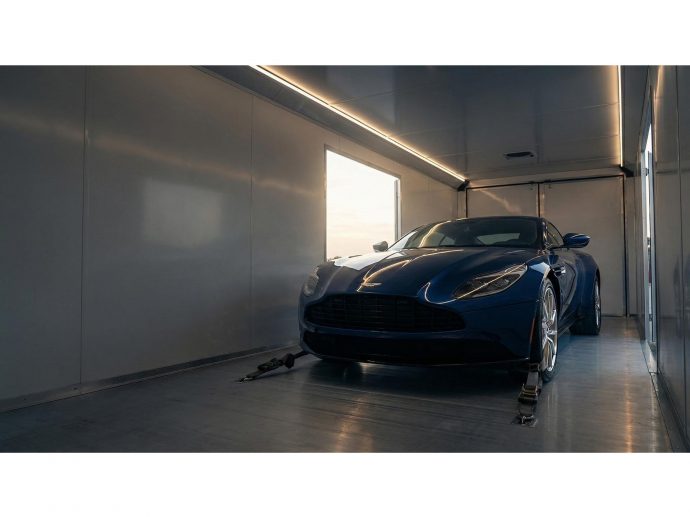
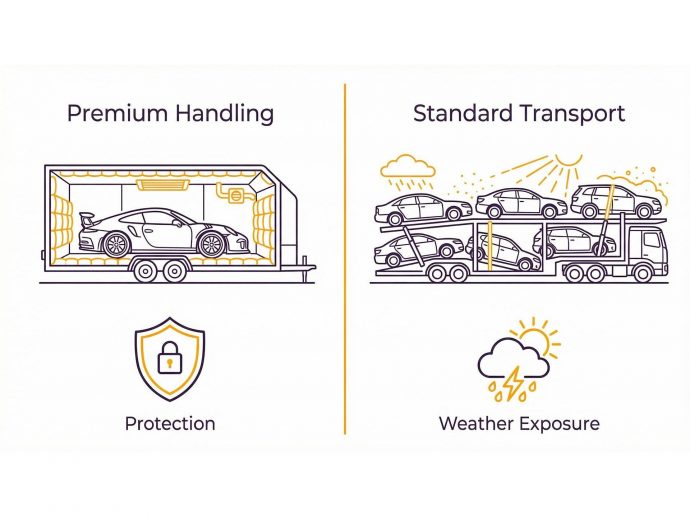
Enclosed transport protects a luxury vehicle from exposure that standard carriers simply can’t control. Road debris, sudden weather changes, dust, and constant visibility on open highways all increase risk over long distances. With enclosed carriers, that exposure is reduced to a minimum. The vehicle stays shielded, secured, and handled with more intention from pickup to delivery.
In many cases, enclosed transport is not a preference but a requirement. High-value, rare, or collector vehicles benefit from limited handling and controlled conditions. For shorter distances or lower-value vehicles, open transport can still work, but it introduces variables that are harder to manage.
For luxury cars, the decision is usually straightforward. Enclosed transport acts as the baseline standard, not an upgrade. It reflects a shift in priorities, where protection and predictability carry more weight than cost or speed.
What Level of Protection Should You Expect?
You should expect coverage that actually reflects the value of the vehicle being moved. Most carriers include cargo insurance, but that alone doesn’t tell you much, because the real difference sits in the details. Coverage limits, exclusions, and how claims are handled can vary more than most people expect.
At the same time, it’s easy to assume the car is fully protected without checking the numbers. In reality, some policies cap coverage well below the vehicle’s value, while others leave gray areas around certain types of damage. Those gaps only become visible when something goes wrong.
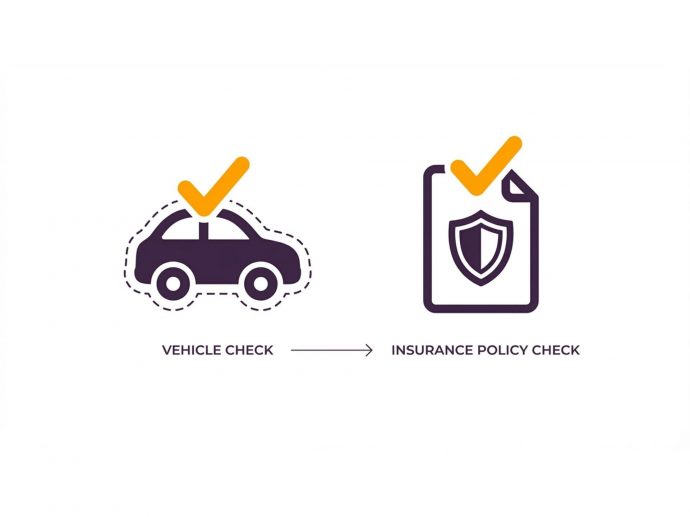
That’s why it’s worth slowing down here. Ask for the policy, read it carefully, and compare the limit to the car’s actual value. Also, check how claims are handled and how long they take. Real protection comes from clear, confirmed coverage terms, not assumptions.
How to Prepare a Luxury Car for Transport
Here's the thing - when you're paying for enclosed transport, you should be getting coverage that actually reflects the value of the vehicle. Most carriers do offer cargo insurance, but that doesn't tell you the whole story. What really matters is the fine print - the coverage limits, the exclusions, and how claims are handled. And here's the thing - those things can vary in a big way.
Lots of people assume that their car is fully protected just because they're paying for enclosed transport, but that's not always the case. Some policies have coverage limits that are way below the value of the car, while others leave big gaps when it comes to certain types of damage.
So what can you do? Slow down and really look at the fine print. Ask to see the policy, read it carefully, and compare the limit to the actual value of the car. And while you're at it, check how claims are handled, and how long they typically take.
What Happens During Transport
Transport usually starts with a scheduled pickup, set within a time window rather than an exact hour. Once the carrier arrives, the vehicle is inspected and documented first, so both sides are clear on its condition. Then comes loading, which is handled carefully using lifts or ramps to avoid any contact with low-clearance areas.
Next, during transit, the vehicle stays secured in place and handling is kept to a minimum. On longer routes, small timing shifts can happen, but experienced carriers adjust without disrupting the overall plan. Updates are shared when needed, without overcomplicating communication.
Finally, at delivery, the process repeats. The vehicle is inspected again, compared against the original record, and handed over once everything checks out.
What Affects the Cost of Luxury Car Transport
Cost starts with distance, but it doesn’t end there. Longer routes require more coordination, which increases pricing. At the same time, the vehicle itself plays a role, especially when size, weight, or custom features require more careful handling.
Timing also affects cost. Flexible pickup windows allow better route planning, which usually keeps pricing more stable. In contrast, tight schedules often increase the price because they limit those options. Carrier type adds another layer. Enclosed transport and dedicated setups offer more control, but they also come at a higher price point.
All of these factors connect. Pricing reflects the level of control and handling required, not just the distance between pickup and delivery.
When Premium Handling Is Worth It
Premium handling becomes relevant when control starts to matter more than efficiency. White-glove or dedicated transport reduces the number of variables, since the vehicle is either moved alone or handled within a tightly managed setup. As a result, there’s less loading, fewer route changes, and more predictability throughout the process.
This approach makes sense for high-value, rare, or time-sensitive vehicles, especially when even minor exposure carries risk. At the same time, not every situation requires that level of service. For standard luxury vehicles on straightforward routes, enclosed transport with an experienced carrier often provides enough control without adding unnecessary cost.
The decision comes down to context. Premium handling is about reducing variables to a minimum, not simply upgrading the service.
Final Thoughts
Every step in the process carries weight, which is why the decisions made early tend to define the outcome. Price often draws the most attention, yet it rarely reflects how the vehicle will actually be handled along the way.
Instead, the focus should stay on control, consistency, and how clearly each part of the transport is defined. When those elements are in place, the process feels predictable, and the risk stays contained. If they’re missing, small gaps can turn into larger issues without much warning.
In the end, the quality of the decision shapes the entire transport experience, far more than the number attached to it.
Comments
