Categories more
- Adventures (92)
- Arts / Collectables (26)
- Automotive (87)
- Aviation (87)
- Bath, Body, & Health (169)
- Children (59)
- Cigars / Spirits (108)
- Cuisine (133)
- Design/Architecture (63)
- Electronics (87)
- Entertainment (51)
- Event Planning (132)
- Fashion (144)
- Finance (19)
- Gifts / Misc (43)
- Home Decor (158)
- Jewelry (113)
- Pets (25)
- Philanthropy (6)
- Real Estate (87)
- Services (66)
- Sports / Golf (48)
- Vacation / Travel (274)
- Watches / Pens (95)
- Wines / Vines (68)
- Yachting / Boating (109)



Inside the Rolling Lounge: How Luxury Car Interiors Are Becoming Immersive Living Spaces

Published
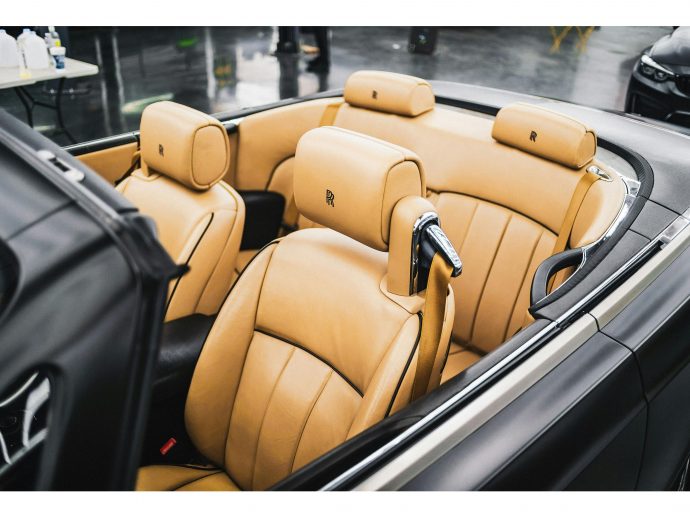
03/18/2026For much of automotive history, the interior of a car has been treated as a functional afterthought—somewhere to sit, steer, and endure the journey. That paradigm is shifting rapidly. In 2026, the cabin is no longer just a cockpit; it’s becoming a curated, immersive environment that blends technology, comfort, and identity. For high-end manufacturers especially, the focus has moved decisively inward, transforming vehicles into what many designers now describe as “rolling lounges”.
The Shift from Driving to Dwelling
One of the most significant forces behind this transformation is the gradual move towards semi-autonomous and fully autonomous driving. As the act of driving becomes less demanding—or in some cases optional—the purpose of the interior evolves.
Luxury brands are responding by designing spaces that prioritise relaxation, productivity, and entertainment. Reclining seats with massage functions, ambient lighting systems that mimic circadian rhythms, and advanced sound insulation are no longer novelties. Instead, they are becoming expected features in premium vehicles.
The emphasis is clear: if drivers are spending more time inside their vehicles but less time actively driving, the cabin must offer something more meaningful than utility.
Materials That Mirror Modern Living
Interior design trends in luxury cars are increasingly influenced by architecture and high-end residential spaces. Traditional leather and chrome finishes are being complemented—or replaced—by sustainable materials such as recycled textiles, open-pore wood, and even vegan alternatives.
Manufacturers are also paying closer attention to tactile experiences. Soft-touch surfaces, temperature-controlled armrests, and customisable textures create an environment that feels personal and intentional.
This shift reflects a broader cultural movement towards conscious consumption. Buyers are not just asking how something looks, but how it feels and where it comes from.
The Rise of Personalised Environments
Personalisation has long been a hallmark of luxury, but it is now reaching new levels of sophistication. Modern vehicle interiors can adapt to individual preferences with remarkable precision.
Drivers can customise everything from seat positioning memory profiles to lighting colour schemes and scent diffusion systems. Some models even allow users to create “modes” that adjust multiple settings simultaneously—transforming the cabin from a focused workspace during the day to a calming retreat in the evening.
This desire for individuality extends beyond the cabin. The exterior still plays a crucial role in self-expression, with many motorists exploring subtle yet distinctive customisations. For instance, interest in tailored registration details continues to grow alongside broader vehicle personalisation trends, with services offering access to Number 1 Plates becoming part of the wider ecosystem of automotive identity rather than a standalone purchase decision.
Screens, Sound, and Seamless Connectivity
Technology is arguably the defining feature of the modern rolling lounge. Large, high-resolution displays now dominate dashboards, often stretching from pillar to pillar. Yet the real innovation lies not in size, but in integration.
Infotainment systems are evolving into fully connected digital environments, seamlessly linking with smartphones, smart homes, and cloud-based services. Voice assistants are becoming more intuitive, reducing the need for physical controls and allowing occupants to interact naturally with the vehicle.
Audio has also seen significant advancement. Premium sound systems are engineered to create immersive listening experiences tailored to the acoustics of the cabin. In some vehicles, headrest-integrated speakers allow for personalised audio zones, enabling passengers to enjoy different content without interference.
The result is a space that feels less like a machine and more like a mobile extension of one’s digital life.
Wellness on the Move
Another defining trend is the integration of wellness features. Air purification systems, humidity control, and even built-in aromatherapy are becoming increasingly common in luxury models.
These features are not simply marketing additions; they reflect a growing awareness of the impact that environments have on physical and mental wellbeing. Long journeys, once associated with fatigue and discomfort, are being reimagined as opportunities for rest and rejuvenation.
Some manufacturers are even experimenting with biometric monitoring, using sensors to track stress levels and adjust cabin conditions accordingly. While still emerging, this technology points towards a future where cars actively contribute to occupant health.
Social Media and the Aesthetic Factor
The influence of social media cannot be ignored in this evolution. Platforms such as Instagram and TikTok have reshaped how people engage with their vehicles, turning interiors into shareable experiences.
Ambient lighting sequences, panoramic roofs, and minimalist dashboard designs are often chosen not just for personal enjoyment, but for their visual appeal in photos and videos. The car becomes a stage as much as a mode of transport.
This has encouraged manufacturers to think more creatively about design, ensuring that interiors are visually distinctive and instantly recognisable.
The Future of the Rolling Lounge
Looking ahead, the concept of the immersive car interior is only set to expand. As electrification continues to free up space—thanks to the absence of large combustion engines—designers have more flexibility to rethink cabin layouts entirely.
Concept vehicles already hint at lounge-style seating arrangements, rotating chairs, and modular interiors that can be reconfigured depending on the journey. While not all of these ideas will reach production, they signal a clear direction of travel.
Ultimately, the evolution of car interiors reflects a broader shift in how people relate to their vehicles. Cars are no longer just tools for getting from A to B; they are environments where people work, relax, and express themselves.
Conclusion
The transformation of luxury car interiors into immersive living spaces marks one of the most significant changes in modern automotive design. Driven by advances in technology, changing lifestyles, and a growing demand for personalisation, the cabin is becoming the true focal point of the driving experience.
As this trend continues, the distinction between home, office, and vehicle will become increasingly blurred. What remains constant, however, is the desire for spaces that feel uniquely tailored—places where comfort, identity, and innovation come together seamlessly on the move.
Comments
