Categories more
- Adventures (179)
- Arts / Collectables (238)
- Automotive (190)
- Aviation (259)
- Bath, Body, & Health (447)
- Children (88)
- Cigars / Spirits (225)
- Cuisine (602)
- Design/Architecture (674)
- Electronics (200)
- Entertainment (139)
- Event Planning (271)
- Fashion (450)
- Finance (148)
- Gifts / Misc (115)
- Home Decor (453)
- Jewelry (283)
- Pets (72)
- Philanthropy (92)
- Real Estate (313)
- Services (199)
- Sports / Golf (184)
- Vacation / Travel (920)
- Watches / Pens (187)
- Wines / Vines (717)
- Yachting / Boating (240)


Is a Custom Engagement Ring Worth the Wait?

Published
09/28/2026Three months feels like an eternity when the proposal is already planned in your head. But that's a realistic timeline for a ring that exists nowhere else: a few weeks to settle the design, eight to ten weeks at the jeweller's bench, and a little breathing room for shipping. So is a custom engagement ring worth the wait? Usually, yes, as long as you go in with the right expectations.
What the wait actually buys you
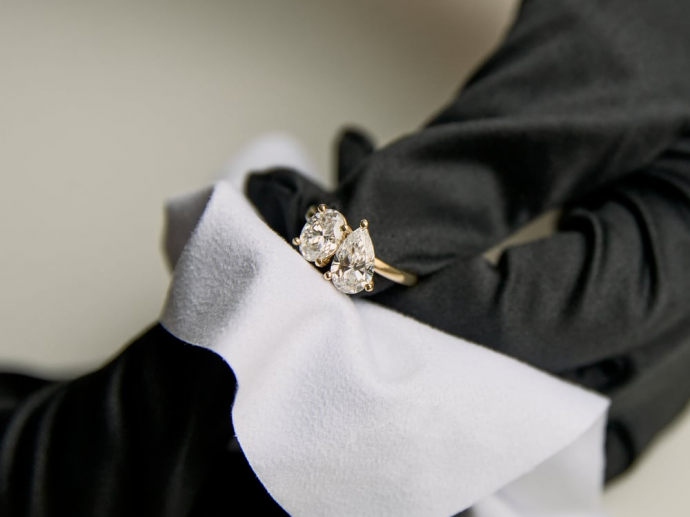
Off-the-shelf rings are designed for an average hand and an average taste. That suits plenty of people. It doesn't suit someone who's on their feet all day on a hospital ward and needs a low, snag-proof setting, or the person who's always wanted a pear-shaped stone lying sideways.
A custom engagement ring starts with a conversation, then a sketch, then a 3D render you can tweak until it's right. Only after you sign off does the bench work begin. That's where most of the time goes, so the earlier you start the conversation, the less pressure you'll feel later.
Start with something to point at
Most of us are poor at describing a ring from scratch. We're much better at reacting to one. So before you brief anyone, spend some time browsing real designs, such as the Cullen Jewellery Canada collection. Notice which shapes make you pause, and whether two carats looks right on a hand your partner's size. Because Cullen makes rings to order, a design you like can become your starting point: ask for a slimmer band, say, or a hidden halo. It's quicker than a blank page, and it keeps the final ring tied to something you've actually seen.
When custom clearly wins
Some briefs are almost impossible to meet from a catalogue. A family sapphire that needs a new setting is one. A ring that has to sit flush against a curved wedding band handed down from a grandparent is another. So is a partner who wears only platinum, dislikes yellow gold and has a knuckle that swallows anything with a tall setting.
Here's the catch. Custom only pays off when you have a preference worth protecting. If you're choosing between six near-identical solitaires, waiting won't improve the result. It'll just postpone it.
A lower-impact choice
There's a quieter benefit that gets less airtime. A ring made to order means nothing was produced on a guess and left sitting in a display case. Pair that with a lab-grown centre stone, which is physically and chemically identical to a mined diamond, and ask about recycled metal. The environmental footprint of lab-grown stones varies with how they're produced, so it's worth asking your jeweller about their sources. Done thoughtfully, though, you can end up with a lower-impact ring that looks no different on the hand.
Working backwards from the date
Start with your proposal date and count back. Give the jeweller their full eight to ten weeks of crafting time, add two to three weeks for design approval, and build in an extra week for shipping and unexpected delays. That's roughly 11 to 14 weeks in total, so if your date is less than three months away, talk to the jeweller about timing before you fall for a design.
To get the size right, quietly borrow a ring your partner already wears on their ring finger and bring it along. A ring from a different finger or the other hand won't give an accurate reading. If the fit is off, many jewellers will resize after the proposal, but it adds time, so check the policy before you order.
Custom isn't the only right answer
If the budget or timeline doesn't stretch to a custom design right now, choosing a ready-to-ship ring is still a meaningful choice. Plenty of couples propose with a beautiful stand-in and design the forever ring together later, and many find that sharing that step makes the final piece mean even more. What matters most is the question you're asking, not whether the ring was made from scratch.
Not sure which way to go? Picture yourself handing over a ring straight from the display case tomorrow. If that feels completely right, go ahead and buy it. But if you catch yourself thinking "they'd love it, but...", pay attention to that thought. It's telling you exactly what your custom ring should be, and the extra wait is simply the price of getting it right.
Comments
