Categories more
- Adventures (17)
- Arts / Collectables (15)
- Automotive (37)
- Aviation (11)
- Bath, Body, & Health (77)
- Children (6)
- Cigars / Spirits (32)
- Cuisine (16)
- Design/Architecture (22)
- Electronics (13)
- Entertainment (4)
- Event Planning (5)
- Fashion (46)
- Finance (9)
- Gifts / Misc (6)
- Home Decor (45)
- Jewelry (41)
- Pets (3)
- Philanthropy (1)
- Real Estate (16)
- Services (23)
- Sports / Golf (14)
- Vacation / Travel (60)
- Watches / Pens (15)
- Wines / Vines (24)
- Yachting / Boating (17)


Lisbon: a surprising city to explore bite by bite

Published
12/10/2025Lisbon is a city steeped in history but with a very modern aesthetic, where you can stroll through streets lined with aged facades and steep hills. Known for its tiles, which represent a unique art form that can be seen in public spaces and on facades, it is considered “the world capital of tiles.”
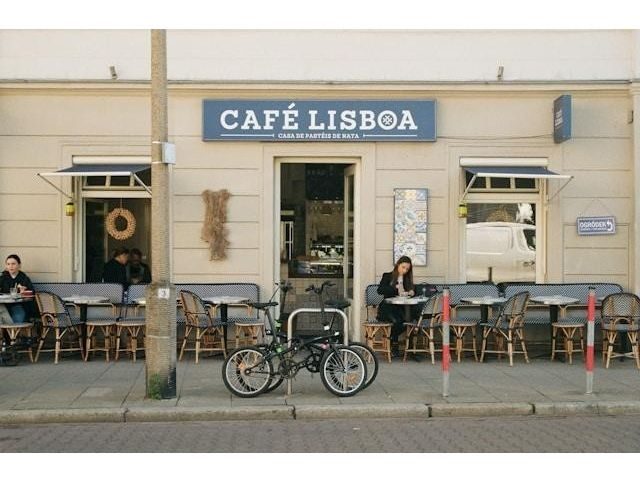
While it boasts beautiful scenery, its cuisine is not far behind, delighting tourists with its delicious culinary offerings, small restaurants, and pastry shops. That's why a great way to explore and get to know the city is through its dishes, by taking a food tour Lisbon.
Tasting its flavors is a way of learning its emotional language; by visiting hidden taverns and vibrant markets, you can discover the essence of the city, losing yourself in the neighborhoods, talking to the locals while sharing unique dishes.
Barrio Alto
Visiting Barrio Alto is a real treat. Nightlife lasts until dawn, where you can enjoy the art and music of residents and travelers alike. Gastronomy is the ideal link between exploration and fun in this neighborhood, where Portuguese tapas, grilled sardines, and glasses of green wine circulate among tiny tables.
It's almost impossible not to strike up a conversation with the person next to you, transforming it into a moment of sharing, as if it were a social experience rather than a gastronomic one. And that's the magic of taking a food tour through Lisbon, which, at the end of the day, is not just about what you eat, but where, how, and with whom. That collective spirituality becomes part of the experience.
Alfama
Alfama is one of the oldest neighborhoods in the city, whose identity remains strong despite having endured earthquakes, battles, and centuries of transformation. There, fado (traditional Portuguese music) echoes through the narrow alleys, while people eat caldo verde in small taverns, enjoy cod prepared in a thousand different ways, and wash it all down with red wine. It is a place where gastronomy is pure tradition; the dishes tell their story and cultural heritage, which is still alive thanks to the resilience of its inhabitants
Belém
From there, the great Portuguese navigators set sail into the unknown. The monuments speak of the country's maritime history and recall the curiosity that led them to conquer the oceans. The first thing you notice is the sweet smell emanating from the bakeries selling freshly baked pastéis de nata, crispy on the outside and soft on the inside, which are a must-try, even if you're not a fan of sweet things.
Mercado da Ribeira
The Mercado da Ribeira, also called Time Out Market, is a celebration of Lisbon's transformations. It was a traditional market for fresh produce that has been converted into a modern space where you can sample the best dishes from renowned chefs and local cooks at long tables that invite you to spend long hours chatting with the locals.
Strolling through these stalls is a different way to discover the city; you can try traditional dishes with contemporary reinterpretations, such as new versions of cod, intense seafood rice dishes, and sophisticated desserts. Each tasting is an opportunity to compare flavors, recognize influences, and understand how Lisbon reinvents itself without losing its identity.
Viewpoints
Lisbon has several viewpoints around the city, offering picture-perfect sunsets. That's why it's such a great experience to grab a bite to eat at one of these panoramic spots. Sometimes, a bifana sandwich bought on the street and a glass of green wine are enough to make the moment unforgettable. Eating outdoors in front of the Tagus River can be as wonderful as visiting the most prestigious restaurant. Lisbon invites you to look and, without meaning to, fall in love.
Final thoughts
Exploring Lisbon on a food tour is much more than discovering delicious flavors; it's learning about its history, listening to its music, exchanging glances with its inhabitants, and embracing its customs.
This city leaves a lasting impression on the memory with its incredible landscapes, delicious cuisine, and exceptional old façades decorated with tiles. You take away much more than photos and memories; you take away the experience of having connected with the soul of the city and its inhabitants.
Comments
