Categories more
- Adventures (62)
- Arts / Collectables (14)
- Automotive (77)
- Aviation (59)
- Bath, Body, & Health (123)
- Children (6)
- Cigars / Spirits (71)
- Cuisine (65)
- Design/Architecture (22)
- Electronics (63)
- Entertainment (23)
- Event Planning (104)
- Fashion (45)
- Finance (10)
- Gifts / Misc (6)
- Home Decor (104)
- Jewelry (41)
- Pets (3)
- Philanthropy (1)
- Real Estate (16)
- Services (23)
- Sports / Golf (14)
- Vacation / Travel (69)
- Watches / Pens (14)
- Wines / Vines (34)
- Yachting / Boating (67)


Nordic Rail Narratives: Engineering the Bergensbanen and the Seven Mountains Skyline

Published
02/16/2026Norway rarely arranges itself for spectacle. Even the dramatic appears measured — slopes rising without flourish, water darkening gradually under shifting cloud. Movement across this landscape feels less like crossing territory and more like adjusting to altitude, to light, to silence that arrives without effort.
The rail lines threading through the country do not interrupt the terrain; they negotiate it. Tunnels puncture rock without visible assertion. Bridges arc quietly across valleys. Snow lingers longer than expected in shaded areas, even when lower ground has already softened.
There is a sense that engineering here does not compete with nature but moves alongside it.
Through Plateau and Passing Snow
The climb begins almost imperceptibly. Leaving lower elevations, forests thin gradually before giving way to wider expanses of rock and tundra. Along the route often described as Bergen to Oslo by train, the transition unfolds without spectacle — lakes appearing unexpectedly between ridges, small settlements standing alone against vastness.
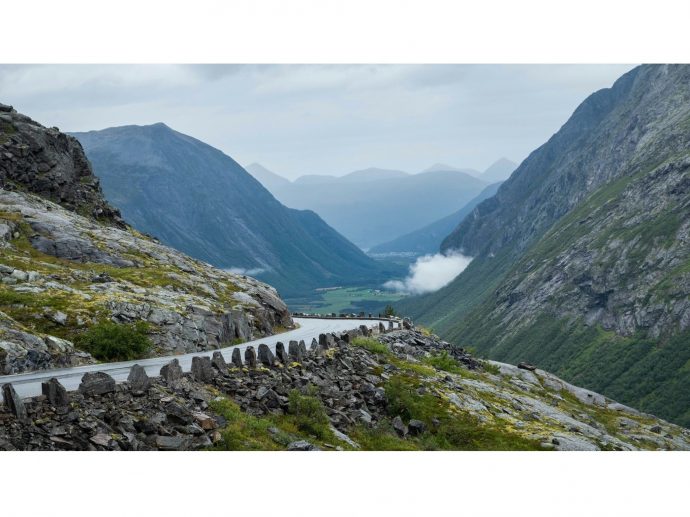
The Bergensbanen does not rush. It threads through mountain passes that seem indifferent to its presence. Snow fields hold their shape well into warmer months. The sky feels closer at altitude, cloud cover drifting low enough to blur distinction between land and air.
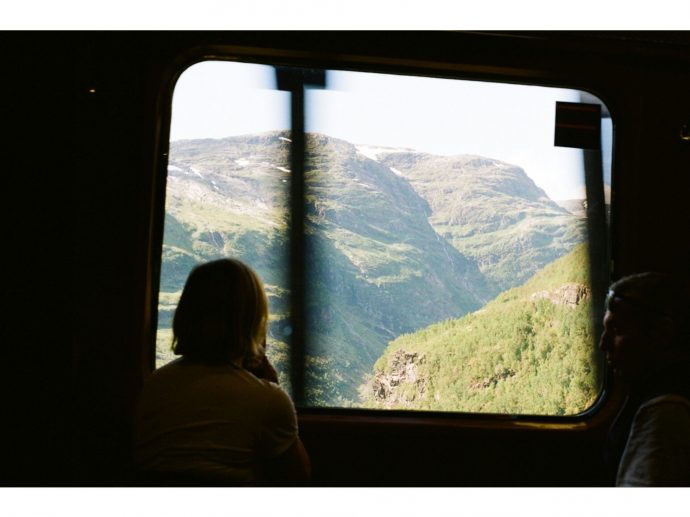
Inside the carriage, motion feels contained. Reflections layer interior light over passing terrain. Conversations remain subdued, as if the landscape encourages restraint.
Engineering Without Display
Steel and stone meet quietly here. The line cuts through mountains not in straight assertion but in careful curvature. It disappears into tunnels and re-emerges into open plateau without signalling the shift.
Journeys of this length often begin long before departure, sometimes when you buy train tickets online, yet the act itself fades once the train begins to move. What remains is not transaction, but continuity — valley to ridge, ridge to open plain.
Bridges hold steady against wind that moves uninterrupted across elevation. Rivers appear thin from above, carving subtle lines into darker rock. The engineering feels embedded rather than imposed.
Descent Toward the Seven Mountains
As the train approaches Bergen, the terrain begins to fold inward again. Water reappears in deeper tones. Slopes steepen, narrowing toward fjord edges. The Seven Mountains gather around the city without dramatic reveal, their outlines layered rather than singular.
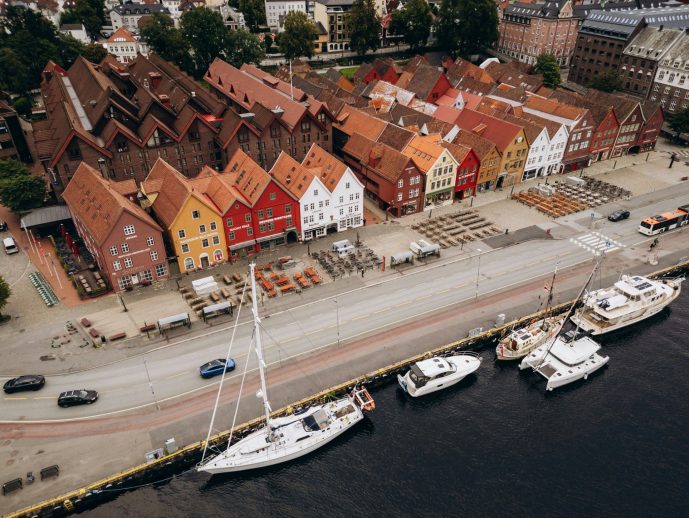
Cloud often hangs low over the peaks, softening their edges. The skyline forms gradually — rooftops rising between inclines, harbour water reflecting a muted sky. There is no sudden unveiling.
The journey feels continuous even in descent. The plateau lingers in memory alongside the approaching coast.
Between Altitude and Harbour
Later, recollection merges segments of the route. Snow fields overlap with fjord reflections. Tunnels blur with open stretches of tundra. The sensation of height remains even after sea level returns.
What lingers is not the feat of engineering, nor the contrast between Oslo and Bergen, but the steady negotiation between rail and rock. The line does not conquer the mountains; it accompanies them.
Wind moves across plateau. Water gathers at harbour. Steel holds its path without drawing attention to itself.
And somewhere between high elevation and coastal mist, the movement continues quietly — a measured passage through landscape that never quite performs, but simply persists.
Between Snowfield and Harbour Mist
Later still, when recalling the journey, specifics soften. What remains is texture — wind pressing invisibly across elevation, steel humming faintly beneath the floor, water darkening toward evening at the harbour’s edge.
The engineering fades into background awareness. What stays is continuity: rail holding its path through stone, plateau giving way to slope, slope narrowing toward sea. The line neither conquers nor dramatizes the terrain; it accompanies it.
And somewhere along that arc — between tunnel mouth and harbour light, between high snow and low mist — the movement continues quietly, threaded through rock and weather without ever fully announcing its presence.
Comments
