Categories more
- Adventures (62)
- Arts / Collectables (14)
- Automotive (77)
- Aviation (65)
- Bath, Body, & Health (123)
- Children (6)
- Cigars / Spirits (71)
- Cuisine (66)
- Design/Architecture (22)
- Electronics (63)
- Entertainment (36)
- Event Planning (115)
- Fashion (45)
- Finance (10)
- Gifts / Misc (6)
- Home Decor (118)
- Jewelry (41)
- Pets (3)
- Philanthropy (1)
- Real Estate (16)
- Services (44)
- Sports / Golf (14)
- Vacation / Travel (85)
- Watches / Pens (33)
- Wines / Vines (34)
- Yachting / Boating (67)


Planning a Group Getaway That Still Feels Personal

Published
08/19/2026Group trips always sound dreamy at first. A few favorite people, a shared destination, maybe a milestone to celebrate, and the kind of photos everyone will want to save instead of scroll past. Then the planning starts, and suddenly there are flight times, budgets, meal preferences, room arrangements, group chats, and one person who keeps saying, “I’m flexible,” while being absolutely not flexible.
Still, a group getaway can be wonderful. The best ones feel connected, not crowded. They give people enough structure to relax, but not so much structure that every hour feels managed. That balance is where the magic usually happens.
The goal is not to create a perfect itinerary. The goal is to create a trip where people feel included, comfortable, and able to enjoy each other without the whole thing turning into a scheduling project.
Start With the Mood, Not the Schedule
Before picking restaurants, excursions, or matching outfits, start with the mood. It sounds simple, but it changes everything.
Is this trip supposed to feel restful? Celebratory? Adventurous? Cozy? A little fancy? Low-pressure? Family-friendly? Photo-worthy? The answer matters because a trip planned around rest should not look the same as a trip planned around dancing until midnight. And a trip planned for reconnection should probably leave more breathing room than one planned around sightseeing.
This is where group travel often gets messy. Everyone agrees on the destination, but not always on the feeling. One person imagines slow mornings and coffee. Another imagines activities from sunrise to dinner. Someone else just wants good food and pretty light for photos. None of those are wrong, but they need to be named early.
A clear mood gives the group a filter. It helps every choice make sense. If the mood is calm, maybe the schedule needs fewer early mornings. If the mood is celebratory, maybe one special dinner matters more than five casual meals. If the mood is connection, maybe a shared experience should matter more than splitting up all day.
And honestly, naming the mood also takes pressure off the planner. You are not trying to make every possible version of the trip happen. You are planning the version everyone actually agreed to.
Give the Group Fewer Decisions to Make Together
There is a point in every group trip where too many options stop feeling helpful. Where should we eat? What time should we leave? Is everyone hungry? Should we do this today or tomorrow? Who booked the ride? Who has the confirmation? Tiny questions pile up fast.
That is why fewer shared decisions can make a trip feel more personal, not less. It gives people room to be present instead of constantly voting on the next move.
A helpful approach is to choose a few fixed pieces and leave the rest flexible. Maybe there is one planned dinner, one shared activity, and one open afternoon. That is enough shape to keep the trip from drifting, but not so much that everyone feels trapped inside a spreadsheet.
Meals are a good place to simplify. Instead of debating every breakfast, lunch, and dinner, pick one or two meals that matter and let the rest stay casual. The same goes for transportation. If one activity requires coordination, plan it clearly. If the rest of the day can be walkable, flexible, or low-stakes, let it be.
The point is not to control everyone. It is to protect the mood of the trip. When the biggest decisions are already handled, people can relax into the experience instead of managing it in real time.
A little structure can feel like kindness. Especially when the group includes different ages, different personalities, or different travel styles.
Build In Space for Different Energy Levels
Every group has its own rhythm. Some people wake up early and want to explore before breakfast. Some need a slow start. Some are happiest in the middle of the action, while others need quiet time before they can be social again.
Pretending everyone has the same energy is one of the fastest ways to make a trip feel tense. Better to plan for difference from the beginning.
That might mean creating one shared moment each day and leaving the rest open. It might mean choosing a place where people can easily step away, rest, walk, swim, read, or grab coffee without needing the whole group to move with them. It might mean giving people permission to skip something without making it dramatic.
This is especially important for family trips, friend getaways, and celebration weekends. A parent traveling with kids may need a different pace than a friend on a birthday trip. A couple may want a little one-on-one time. Someone may be excited for photos and plans, while someone else is quietly hoping for a nap. Both can belong on the same trip.
The most thoughtful group getaways make room for that. They do not require everyone to be “on” all the time. They create a rhythm where people can come together, separate for a bit, and come back without guilt.
That space is often what makes the trip feel personal. Not because every detail is customized, but because the plan respects the people inside it.
Choose One Shared Experience That Feels Like the Trip’s Heart
A group trip does not need a packed schedule to feel special. It needs one shared experience that feels like the emotional center of the getaway. The thing everyone can remember later and say, “That was the moment.”
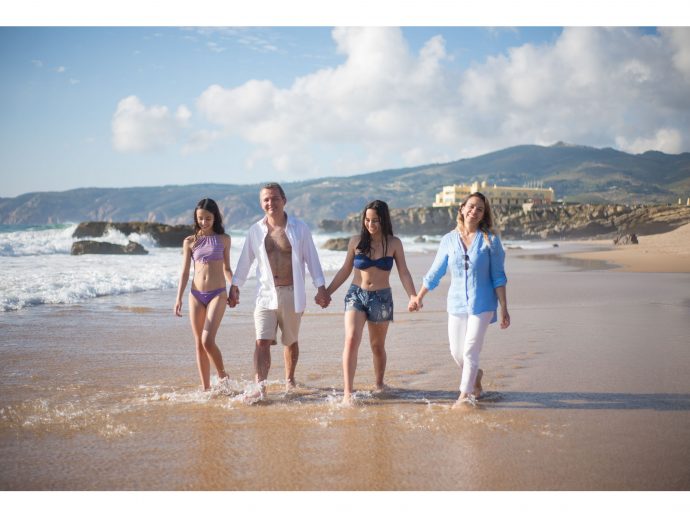
It could be a long dinner, a boat day, a scenic drive, a family photo session, a cooking class, or a beach afternoon that turns into sunset without anyone really planning it. The activity itself matters, but the feeling matters more. It should bring people together without forcing it.
This is especially helpful when the group has different personalities. Not everyone wants to do every activity, and honestly, they should not have to. But one well-chosen shared moment gives the trip a heart. It creates a memory that belongs to everyone, even if the rest of the itinerary looks a little different for each person.
The best shared experience also fits the destination. If the trip is in the mountains, maybe the view is the point. If it is a city weekend, maybe it is the meal or the show. If it is somewhere coastal, water, sunset, and open space can naturally become part of the story.
In Celebration Destinations, Privacy Can Change the Whole Mood
Some destinations are built for celebrations. Cancun is one of those places people often imagine for birthdays, girls’ trips, family milestones, and bachelorette weekends. It has the sun, the water, the restaurants, the photos, and the feeling of being away from ordinary life.
But celebration trips can get crowded fast. Crowded beaches, crowded bars, crowded restaurants, crowded tours. After a while, the trip can start to feel less personal than everyone hoped.
That is where privacy can change the mood. It gives the group space to laugh loudly, take photos without feeling watched, eat at its own pace, and enjoy the setting without competing with a hundred strangers for the same view. Privacy can make a group feel more connected.
For some travelers, private bachelorette parties that feel personal rather than chaotic can be a better fit than another packed nightlife plan. Not because every celebration needs to be fancy, but because milestone trips often feel better when the group can actually hear each other, move together, and enjoy the moment without constantly adjusting to the crowd.
The goal is not isolation. It is ease. A little breathing room can make the celebration feel more thoughtful.
Make Food, Photos, and Downtime Part of the Plan
Food and photos are not side details on a group getaway. They are often the things people remember most. The shared breakfast where everyone is still sleepy. The dinner that runs long because no one wants to leave. The candid photo where someone is laughing too hard to pose.
So instead of treating them as extras, build room for them. Choose at least one meal that feels special enough to slow down for. Leave space for photos when the light is good. Give people time to get ready without turning the room into a panic zone. Small things, but they matter.
In a destination like Cancun, a private hosted experience can bring several of those pieces together: food, scenery, conversation, and a setting that feels removed from the usual rush. A group researching that kind of atmosphere might come across Moana Cancun as one example of a local option centered on a more personal day or evening on the water.
The brand is not the point, though. The memory is the point. The best plan gives people moments where they can look around and feel glad they came.
Downtime deserves the same respect. A trip that never pauses can blur together, no matter how beautiful the destination is. Leave room for naps, swims, walks, quiet coffee, or doing absolutely nothing for a little while. Sometimes that is where the real conversations happen.
Protect the Personal Parts of the Trip
A group getaway can look very social from the outside, but the personal parts are what make it meaningful. The one-on-one walk. The late-night talk. The inside joke. The quiet moment with someone you do not get to see often enough.
Protect those moments by not overplanning every inch of the trip. Leave some flexible time. Let people separate without guilt. Let the group come back together naturally. Connection needs space to happen.
This also helps the planner enjoy the trip. When everything depends on one person managing every detail, the getaway can become more stressful than fun. A thoughtful structure should support the group, not trap the planner in permanent coordinator mode.
The best group trips feel personal because they respect the people inside them. They make room for different energy levels, real conversations, shared meals, pretty views, and the kind of memories that do not need to be perfectly staged.
Let the Trip Feel Like Yours
A group getaway does not have to be flawless to be memorable. It just needs enough intention to keep everyone connected and enough flexibility to let the best moments happen naturally.
Start with the mood. Choose fewer shared decisions. Make space for different rhythms. Pick one experience that feels like the heart of the trip, then protect the personal moments around it.
That is how a group getaway becomes more than a busy itinerary. It becomes a story everyone gets to keep.
Comments
