Categories more
- Adventures (62)
- Arts / Collectables (14)
- Automotive (77)
- Aviation (68)
- Bath, Body, & Health (127)
- Children (49)
- Cigars / Spirits (72)
- Cuisine (68)
- Design/Architecture (22)
- Electronics (66)
- Entertainment (40)
- Event Planning (116)
- Fashion (47)
- Finance (10)
- Gifts / Misc (7)
- Home Decor (118)
- Jewelry (41)
- Pets (3)
- Philanthropy (1)
- Real Estate (19)
- Services (60)
- Sports / Golf (38)
- Vacation / Travel (101)
- Watches / Pens (72)
- Wines / Vines (34)
- Yachting / Boating (76)



Planning Comfortable, Accessible Air Travel Through the Mountains

Published
08/31/2026Table of Contents
- Start With a Personal Travel Checklist
- Contact the Airline Before the Travel Date
- Use Airport Resources and Allow Extra Time
- Prepare Mobility Equipment for the Journey
- Choose Lodging With Real Access in Mind
- Build a Mountain-Friendly Itinerary
- Keep Important Information Easy to Find
- Common Questions About Accessible Air Travel
- A Simple Planning Timeline
- Final Takeaway
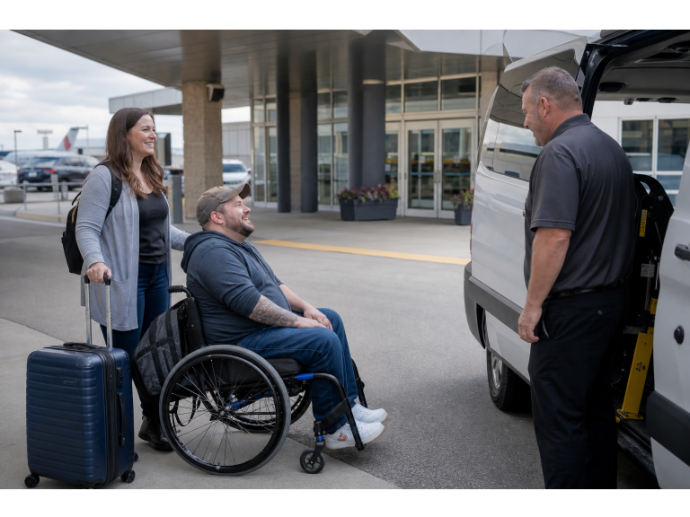
Accessible air travel is easier when the trip is planned as one connected experience, from the ride to the airport through hotel arrival. For travelers headed to Western North Carolina, accessible airport pickup Asheville services from Loyal Lifts Transportation can help bridge the gap between a flight and lodging. This locally focused provider offers door-to-door airport transfers for disabled travelers, wheelchair users, and passengers who need additional mobility support, with service across Asheville, Buncombe County, and surrounding Western North Carolina mountain communities. Its experience with Asheville Regional Airport, mobility equipment, and mountain travel logistics makes it a practical resource for the ground transportation portion of an accessible trip.
Small details can have a major effect on comfort, energy, safety, and confidence. A long walk between gates, an unavailable lift-equipped vehicle, a steep hotel entrance, or an overpacked first day can turn an exciting vacation into an exhausting one. Thoughtful planning gives travelers, families, caregivers, and companions more room to handle delays without losing sight of the destination.
Start With a Personal Travel Checklist
Before booking a flight, write down what makes travel manageable for the individual traveler. A useful checklist is specific rather than broad. Instead of simply asking for "special assistance," identify the support that will actually be needed at each stage of the journey.
- Maximum comfortable walking distance
- Wheelchair, power chair, walker, or mobility scooter needs
- Help with luggage, transfers, or wayfinding
- Restroom access and time-sensitive medication needs
- Visual, hearing, sensory, cognitive, or communication support
- Preferred contact method for updates and confirmations
Share practical details with airlines, hotels, and transportation providers. For example, note whether a traveler can transfer independently, whether a wheelchair folds, and whether equipment must remain upright. Clear information helps each provider prepare for the right kind of assistance.
Contact the Airline Before the Travel Date
Request an airport wheelchair or guided assistance during booking or as soon as plans are confirmed. For local travel beyond the terminal, arranging disability transportation Buncombe County in advance can also reduce uncertainty after landing, especially when a hotel, vacation rental, medical appointment, or family gathering is outside a walkable area.
- Explain whether the traveler can walk short distances or needs continuous wheelchair assistance.
- Provide the make, model, dimensions, weight, and battery type of a power chair or scooter when applicable.
- Ask where mobility equipment will be checked, stored, and returned upon arrival.
- Confirm assistance for every flight segment, including connections.
- Reconfirm the request before leaving for the airport.
Airline assistance and local transportation solve different problems. Airline staff can assist with airport navigation and boarding, while a prearranged vehicle handles the trip from the terminal to the destination. The U.S. Department of Transportation's guidance on wheelchair and guided assistance can help travelers understand what to request and what to do if plans change at the airport.
Use Airport Resources and Allow Extra Time
Visit the official website for each airport before departure. Look for accessible parking, elevators, companion restrooms, service animal relief areas, security information, quiet spaces, and airport contact details. Programs such as Philadelphia International Airport's accessibility services and resources show the types of information travelers may be able to find, including mobility support, accessible maps, sensory accommodations, and caregiver assistance.
Arrive with extra time, but do not overload the rest of the day. Build in time for check-in, security, boarding, baggage claim, and pickup. After a flight, schedule a calm hotel check-in, meal, and nearby activity instead of a demanding tour or long mountain drive. Extra time is not wasted time. It is a buffer for fatigue, gate changes, weather, and unexpected delays.
Prepare Mobility Equipment for the Journey
Mobility devices deserve the same preparation as luggage and travel documents. Take photos before check-in, record the make, model, and serial number, and attach a label with the traveler's name and phone number. Keep removable batteries, chargers, controls, cushions, and essential parts with the traveler whenever airline rules allow.
Carry clear written instructions for operating, folding, securing, or disassembling the device. Ask the airline about battery requirements well before departure, especially for powered equipment. Upon arrival, inspect the chair or scooter before leaving the airport and report any damage immediately.
Choose Lodging With Real Access in Mind
An "accessible" room label does not answer every practical question. Call the property directly when a feature is essential, and ask about door widths, bed height, bathroom layout, roll-in showers, grab bars, accessible parking, elevator access, and the route between the room, lobby, dining area, and vehicle drop-off point.
For mountain lodging, also ask about slopes, outdoor surfaces, stairs near entrances, and weather exposure. A room may meet accessibility standards while still being inconvenient if it is far from the main entrance or requires travel over steep terrain.
Build a Mountain-Friendly Itinerary
Mountain destinations reward a slower pace. Group nearby activities together, schedule rest after flights and longer drives, and check the slope, surface, seating, shade, and restroom access before visiting an attraction. Keep a backup indoor plan for rain, cold, heat, or low-energy days.
Weather and road conditions can change quickly in higher elevations. Pack layers, keep water and medication close, and allow extra driving time during storms or busy travel periods. Ask a transportation provider about alternate routes, then check conditions before leaving the hotel or airport.
Keep Important Information Easy to Find
Create a travel folder on paper and on a phone. Include flight details, airline assistance confirmations, transportation reservations, hotel contacts, emergency contacts, a medication list, and mobility equipment information. A printed backup remains useful when a phone battery dies or service is limited in rural areas.
Common Questions About Accessible Air Travel
When should airport assistance be requested?
Request it during booking or as early as possible, then confirm before departure and identify yourself to airline staff upon arrival.
Can a traveler bring a wheelchair or scooter?
Usually, yes, but rules vary by device size, weight, and battery type. Contact the airline directly for current instructions.
What if the flight is delayed?
Notify both the airline and the ground transportation provider as soon as the delay is known. Keep pickup contact information readily available.
A Simple Planning Timeline
- Several weeks ahead: Book flights, lodging, and accessible transportation.
- Two to three weeks ahead: Confirm airline assistance and mobility equipment details.
- One week ahead: Review weather, routes, hotel access, and contact information.
- One day ahead: Reconfirm flights, pickup, medications, chargers, and documents.
- Travel day: Move at a steady pace and leave room for delays.
Final Takeaway
Accessible air travel becomes more manageable when every part of the journey receives attention. With a clear checklist, confirmed support, prepared equipment, realistic timing, and a flexible mountain itinerary, travelers can spend less energy solving surprises and more time enjoying the destination.
Comments
