Categories more
- Adventures (62)
- Arts / Collectables (14)
- Automotive (77)
- Aviation (65)
- Bath, Body, & Health (123)
- Children (6)
- Cigars / Spirits (71)
- Cuisine (66)
- Design/Architecture (22)
- Electronics (63)
- Entertainment (36)
- Event Planning (115)
- Fashion (45)
- Finance (10)
- Gifts / Misc (6)
- Home Decor (118)
- Jewelry (41)
- Pets (3)
- Philanthropy (1)
- Real Estate (16)
- Services (44)
- Sports / Golf (14)
- Vacation / Travel (85)
- Watches / Pens (33)
- Wines / Vines (34)
- Yachting / Boating (67)


Post Title Essential Plumbing and Water Damage Restoration Services

Published
09/15/2026The Critical Need for Integrated Plumbing and Water Damage Restoration
Imagine the stress of discovering a burst pipe or a hidden leak. Water damage is a common and often devastating problem for homes and businesses alike. What starts as a small drip can quickly escalate, causing extensive harm to your property and potentially impacting indoor air quality.
Understanding the link between plumbing issues and water damage restoration is crucial. Rapid response and expert intervention can significantly reduce the overall impact. As of September 2026, we know that acting fast is always the best strategy.
In this comprehensive guide, we will explore the most common causes of water damage. We will also detail the entire restoration process, from initial assessment to final repairs. We will discuss critical factors like response times, cost considerations, and how to work with your insurance company. We aim to equip you with the knowledge needed to protect your property and ensure a safe, healthy environment. This includes knowing when to seek professional help from a certified water damage restoration company to effectively manage any incident.
When water damage strikes, the first priority is always to stop the source. This is where the synergy between plumbing repair and water damage restoration becomes indispensable. A company that offers both services provides a streamlined, efficient, and ultimately more effective solution. Instead of juggling multiple contractors—a plumber to fix the leak, then a separate restoration company to clean up the mess—a single integrated team can manage the entire process from source elimination to seamless reconstruction.
This integrated approach ensures licensed technicians are on-site immediately to address the plumbing issue, preventing further water intrusion. Simultaneously, they can begin moisture containment and rapid mitigation efforts. This cohesive strategy minimizes the risk of secondary damage, such as mold growth or structural weakening, which can quickly compound the problem. Without proper coordination, delays between trades can lead to increased costs and prolonged disruption.
A unified team also means better communication and accountability. There's no finger-pointing between different vendors; the responsibility for a complete and thorough job rests with one entity. This is especially vital given the tight 24-hour response window for preventing mold and significant structural issues. Companies that excel in both plumbing and restoration often deploy commercial-grade equipment and advanced techniques from the outset, ensuring comprehensive water extraction and drying. For instance, reputable providers offering expert plumbing and HVAC repair alongside restoration services can ensure that not only is the immediate water source addressed, but related systems like HVAC, which can spread contaminants, are also inspected and managed. This holistic approach helps prevent cross-contamination and ensures indoor air quality is protected throughout the restoration process. Choosing an integrated service can lead to faster project completion, reduced stress, and a more robust, long-lasting restoration.
Identifying Plumbing Vulnerabilities and Water Hazard Categories
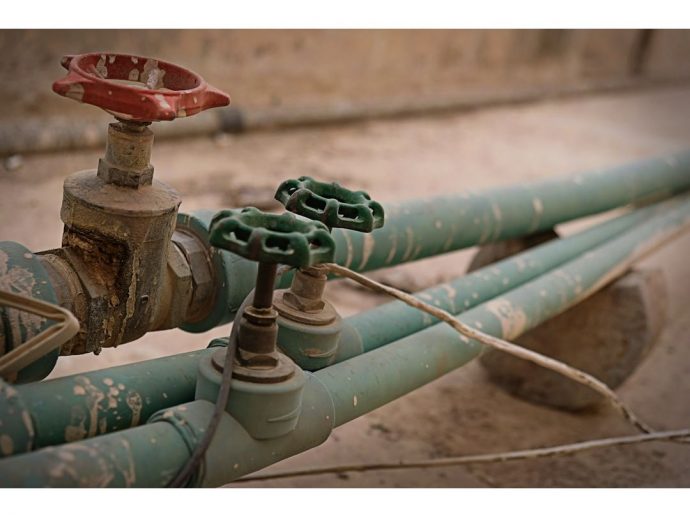
Water damage rarely occurs without a cause, and more often than not, the culprit lies within a property's plumbing system. Understanding these common vulnerabilities is the first step in prevention and rapid response. From the subtle drip to the catastrophic flood, plumbing failures are diverse.
Common sources of water damage include:
- Burst Pipes & Supply Lines: Aging pipes, extreme temperatures, or excessive water pressure can cause pipes to burst, releasing hundreds of gallons of water in minutes.
- Water Heaters: A failing water heater can leak or rupture, causing significant flooding in basements or utility closets.
- Sump Pumps: A malfunctioning sump pump or power outage can lead to a flooded basement, especially during heavy rains.
- Sewer Backups: Blockages in municipal sewer lines or a home's main drain can cause raw sewage to back up into toilets, sinks, and drains, posing severe health risks.
- Slab Leaks: Pipes buried beneath a concrete slab foundation can leak, leading to structural damage, mold, and increased water bills.
- Appliance Overflows: Washing machines, dishwashers, refrigerators with ice makers, and even toilets can overflow due to clogs, faulty components, or user error.
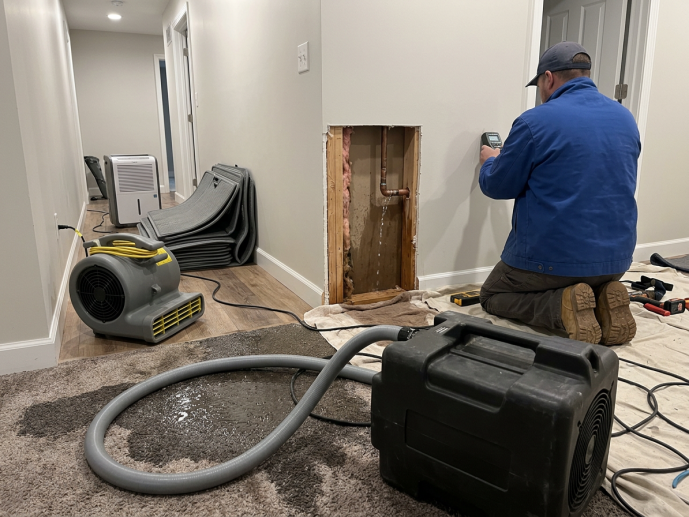
- Hidden Piping Failures: Leaks within walls, ceilings, or crawl spaces can go undetected for long periods, leading to extensive damage and mold growth before they are discovered.
Common Failures in Household Plumbing Systems
Beyond the obvious disasters, many plumbing vulnerabilities develop gradually.
- Pipe Corrosion: Over time, metal pipes can corrode, leading to pinhole leaks or weakening that makes them susceptible to bursting.
- Freezing Temperatures: Uninsulated pipes exposed to freezing temperatures can freeze and burst, especially during winter months.
- Water Pressure Spikes: High water pressure can stress pipes and fittings, leading to leaks or ruptures.
- Valve Deterioration: Shut-off valves, both main and individual, can wear out and fail, causing leaks when operated or even when left untouched.
- Drain Blockages: Accumulation of hair, grease, and other debris can cause severe drain blockages, leading to overflows or backups.
- Seal Degradation: Worn-out seals around fixtures, toilets, and appliance connections are common sources of slow, persistent leaks.
- Fixture Overflows: Clogged toilets, bathtubs, or sinks can easily overflow if left unattended, especially when water flow is high.
Water Contamination Levels and Severity Classes
Not all water damage is created equal. Restoration professionals categorize water based on its contamination level, which dictates the necessary safety protocols and restoration techniques.
- Category 1: Clean Water: This is water from a sanitary source, such as a burst pipe, overflowing sink, or appliance malfunction (e.g., washing machine hose break). While initially clean, it can quickly degrade if not addressed.
- Category 2: Gray Water: This water contains a significant level of chemical, biological, or physical contaminants. Examples include discharge from dishwashers or washing machines, toilet overflows containing urine (but not feces), or sump pump failures. Gray water can cause illness if ingested.
- Category 3: Black Water: This is grossly unsanitary water containing harmful bacteria and fungi, capable of causing severe illness or death. Sources include sewage backups, floodwaters from rivers or oceans, and any water that has been in contact with sewage or toxic substances. Black water requires specialized biohazard protocols and personal protective equipment.
In addition to contamination categories, water damage is also classified by its Class of Water Intrusion, which describes the amount of water and the rate of evaporation:
- Class 1: Least amount of water, affecting only a small area, with minimal absorption into materials. Slow evaporation rate.
- Class 2: Significant amount of water, affecting an entire room, with moisture absorbed into structural materials. Moderate evaporation rate.
- Class 3: Greatest amount of water, affecting ceilings, walls, insulation, and subfloors. Fast evaporation rate.
- Class 4: Specialty drying situation, involving deeply absorbed water into low-porosity materials like concrete, hardwood, or plaster. Requires unique drying techniques.
![TABLE] comparing Category 1 clean water, Category 2 gray water, and Category 3 black water hazards
Feature Category 1 (Clean Water) Category 2 (Gray Water) Category 3 (Black Water) Source Examples Burst pipes, overflowing sinks, appliance leaks (clean) Dishwasher/washing machine discharge, toilet overflows (urine) Sewage backups, river floods, contaminated ground surface water Contaminants None initially, but can degrade rapidly Significant chemical, biological, or physical contaminants Grossly unsanitary, pathogenic, toxic, and hazardous Health Risk Minimal initial risk, but can become higher if untreated Can cause illness if ingested or exposed to skin Severe illness or death; extreme health hazard Restoration Extraction, drying, sanitation Extraction, drying, aggressive antimicrobial treatment, removal of porous materials Specialized PPE, extensive removal of porous materials, heavy-duty sanitation, biohazard protocols Material Impact Minimal if treated quickly, porous materials salvageable Porous materials often require removal due to contamination Most porous materials (drywall, carpet) must be removed and disposed of
Mitigation Timelines and the Full Restoration Lifecycle
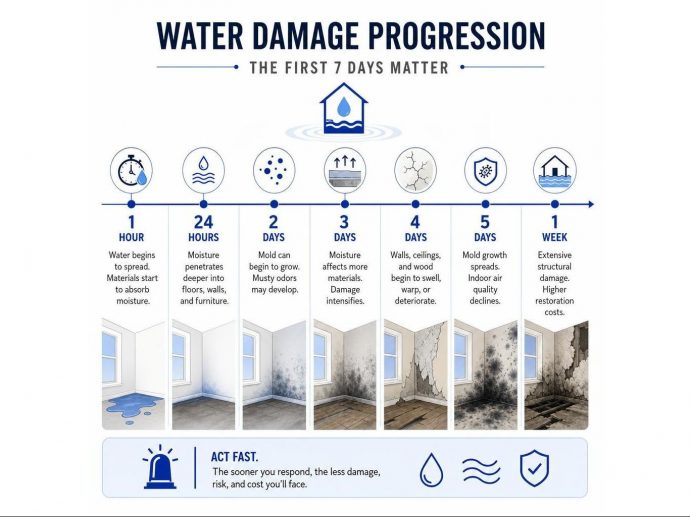
Time is of the essence when dealing with water damage. The speed of response directly impacts the extent of damage, the potential for mold growth, and the overall cost of restoration. Mold can begin growing within 24 to 48 hours of water exposure, making rapid action critical. The full restoration lifecycle is a multi-stage process that requires precision, specialized equipment, and adherence to industry standards.
Professional restoration companies follow strict protocols, often based on IICRC (Institute of Inspection, Cleaning and Restoration Certification) standards. This includes meticulous psychrometry (the study of air, moisture, and temperature) to control humidity, structural stabilization, and detailed moisture mapping using advanced tools like thermal imaging and moisture meters. The goal is not just to remove visible water but to eradicate all hidden moisture, preventing future issues. This comprehensive approach is a hallmark of certified water damage restoration services, ensuring that properties are returned to a safe and dry state. Antimicrobial treatments are often applied to inhibit mold and bacterial growth, safeguarding indoor air quality.
Core Steps in Professional Plumbing and Water Damage Restoration
The restoration process is systematic and thorough, addressing every aspect of the damage:
- Source Repair: The very first step is always to stop the water flow. This involves repairing the burst pipe, faulty appliance, or whatever caused the initial leak.
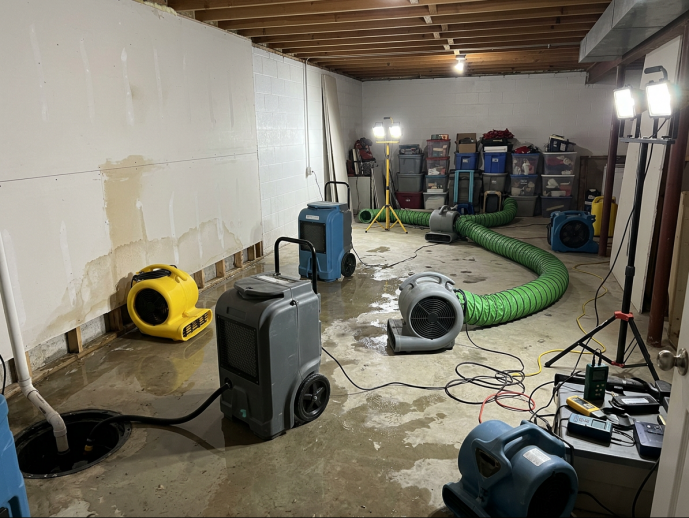
- Bulk Water Extraction: High-powered pumps and industrial-strength vacuums are used to remove standing water quickly. This step is crucial for minimizing absorption into materials.
- Industrial Dehumidification: Commercial dehumidifiers are strategically placed to remove moisture from the air and materials, preventing secondary damage like warping and mold.
- High-Velocity Air Movement: Air movers are used to create airflow across wet surfaces, accelerating the evaporation process and aiding dehumidifiers.
- Material Sanitization: Affected areas are cleaned and sanitized using specialized agents, especially important for gray or black water incidents, to eliminate bacteria and odors.
- Controlled Demolition: Materials that are irreparably damaged, contaminated, or cannot be dried effectively (e.g., saturated drywall, insulation, carpet padding) are carefully removed.
- Structural Rebuild: Once the property is thoroughly dried and sanitized, the reconstruction phase begins. This involves repairing or replacing damaged structural elements, flooring, drywall, and other finishes to restore the property to its pre-loss condition.
Rapid Moisture Extraction and Structural Drying
Structural drying is a science. It's not enough for surfaces to feel dry; moisture can hide deep within materials like subfloors, wall cavities, and framing. Professionals use a combination of techniques to ensure complete drying:
- Subfloor and Cavity Drying: Specialized equipment can deliver warm, dry air into enclosed spaces, effectively drying hidden moisture.
- Thermal Imaging: Infrared cameras detect temperature differences that indicate hidden moisture pockets within walls and ceilings.
- Moisture Meters: Pin and non-invasive moisture meters precisely measure the moisture content of various materials, guiding the drying process.
- Daily Logging: Technicians regularly monitor temperature, humidity, and moisture levels, adjusting equipment as needed to optimize drying conditions.
- Relative Humidity Monitoring: Maintaining optimal relative humidity is key to preventing further moisture absorption and promoting efficient drying. Typically, structural drying alone takes 3 to 5 days with commercial equipment and continuous monitoring. This timeframe can vary based on the extent of water intrusion, the type of materials affected, and environmental conditions.
Navigating Project Costs and Insurance Coverage
Understanding the costs associated with water damage restoration and how to navigate homeowners insurance claims can be a daunting task for property owners. A professional restoration company will provide a transparent scope assessment and work with industry-standard pricing software, such as Xactimate, to ensure fair and accurate estimates.
The process typically involves:
- Scope Assessment: A detailed inspection to determine the extent of the damage, the category of water, and the necessary steps for restoration.
- Xactimate Pricing: Many insurance companies use Xactimate, a software program that provides standardized pricing for restoration services, which helps streamline claims.
- Loss Documentation: Thorough documentation, including photos, moisture readings, and detailed reports, is crucial for supporting your insurance claim.
- Claim Approval: The restoration company often communicates directly with your insurance adjuster to ensure the proposed scope of work aligns with your policy coverage.
- Deductible Management: Property owners are typically responsible for their deductible, which is paid directly to the restoration company.
- Sudden vs. Gradual Damage: Most homeowners insurance policies cover "sudden and accidental" water damage (e.g., a burst pipe), but often exclude damage from gradual leaks or floods (which require separate flood insurance).
Cost Factors in Comprehensive Plumbing and Water Damage Restoration
Several factors influence the overall cost of water damage restoration:
- Contamination Severity: Category 3 (black water) incidents are significantly more expensive due to the need for extensive sanitization, biohazard protocols, and removal of more materials.
- Square Footage Affected: The larger the area impacted by water, the higher the cost of extraction, drying, and material replacement.
- Structural Drying Complexity: Drying hard-to-reach areas, deeply saturated structural components, or specialized materials can increase labor and equipment costs.
- Mold Remediation: If mold has already begun to grow, a separate mold remediation process will be required, adding to the overall expense.
- Material Replacement: The type and quality of materials that need to be replaced (e.g., flooring, drywall, insulation, cabinetry) will directly impact the final cost.
- Specialty Equipment Deployment: Advanced drying equipment, HEPA air scrubbers, and specialized moisture detection tools contribute to the project cost.
Documenting Losses for Homeowners Insurance Claims
Effective documentation is paramount for a smooth insurance claim process:
- Photo Inventories: Take clear, dated photos and videos of all damaged areas and items before any work begins.
- Moisture Logs: Professional restoration companies maintain detailed moisture logs, which serve as crucial evidence of the drying process and its effectiveness.
- Detailed Invoices: Ensure the restoration company provides itemized invoices that clearly outline all services performed, equipment used, and materials replaced.
- Adjuster Communication: The restoration company should be prepared to communicate directly with your insurance adjuster, providing necessary reports and estimates.
- Direct Insurer Billing: Many restoration companies can bill your insurance company directly, simplifying the financial aspect for you.
- Policy Coverage Limits: Understand your specific policy's coverage limits for water damage, personal property, and additional living expenses if you need to vacate your home.
Frequently Asked Questions About Water Damage Restoration
How quickly can mold develop after an indoor plumbing leak?
Mold is an opportunistic organism that thrives in damp, dark environments. It can begin to grow and spread within a mere 24 to 48 hours of water exposure. This rapid proliferation is why immediate action is so critical. Mold spores are ubiquitous in the environment, and once they find a moist surface, particularly porous materials like drywall, carpet, wood, and insulation, they can quickly colonize. Beyond structural damage, mold poses significant health hazards, including respiratory issues, allergic reactions, and other symptoms, making prompt and professional remediation essential.
What is the difference between single-source contractors and separate vendors?
A single-source contractor, also known as an integrated service provider, handles both the plumbing repair (stopping the water source) and the full water damage restoration (cleanup, drying, and rebuild). Separate vendors involve hiring a plumber to fix the leak and then a different company for the restoration work.
The primary advantages of a single-source contractor are:
- Unified Accountability: One company is responsible for the entire project, leading to better coordination and less chance of miscommunication or blame-shifting.
- Workflow Speed: With a single team, there are no delays between the plumbing fix and the start of restoration, which is crucial for preventing secondary damage like mold.
- Streamlined Insurance Billing: Dealing with one invoice and one point of contact for your insurance claim can significantly simplify the process.
- Eliminated Downtime: The transition from plumbing repair to water extraction and drying is seamless, reducing the overall time your property is affected.
While separate vendors might seem like an option, the potential for delays, coordination headaches, and increased costs due to prolonged damage often makes the integrated approach the more efficient and less stressful choice.
How long does the complete structural drying and restoration process take?
The timeline for water damage restoration varies depending on the severity of the damage, the category of water, and the types of materials affected.
- Drying Phase: The initial structural drying phase, involving water extraction, dehumidification, and air movement, typically takes 3 to 5 days. This period requires continuous monitoring and daily psychrometric verification to ensure all hidden moisture is removed.
- Rebuild Timelines: Once the property is thoroughly dry, the reconstruction or rebuild phase begins. This can take anywhere from a few days for minor repairs (e.g., replacing a section of drywall) to several weeks or even months for extensive structural damage, complete floor replacement, or significant reconstruction.
- Material Lead Times: The availability of specific replacement materials (e.g., custom flooring, cabinetry) can also impact the overall timeline.
Professional restoration companies provide clear timelines and keep property owners informed throughout each stage of the process, ensuring transparency and realistic expectations.
Conclusion
Water damage, whether from a sudden burst pipe or a slow, insidious leak, demands immediate and expert attention. The intricate link between plumbing issues and the subsequent need for comprehensive restoration highlights the critical importance of a rapid, integrated response. By understanding common plumbing vulnerabilities, recognizing the different categories of water contamination, and knowing the detailed steps of the restoration process, property owners can make informed decisions when disaster strikes.
Acting swiftly not only mitigates immediate damage but also safeguards against long-term issues like mold growth and structural compromise. Choosing a certified remediation service that can address both the source of the leak and the full scope of water damage ensures unified accountability, streamlined processes, and a more efficient return to normalcy. Investing in professional plumbing and water damage restoration is an investment in your property's value, your family's health, and your peace of mind, ensuring complete moisture eradication and long-term structural safety.
Comments
