




Key Takeaways
- Legal definitions of family are expanding to include a wider range of relationships.
- Alternative dispute resolution options are transforming how families settle their differences.
- Technology is making family law more accessible and efficient for everyone involved.
- Reproductive technologies introduce complex legal challenges that require clear legislation.
- Prioritizing children’s best interests creates healthier outcomes in custody and parenting matters.
Family life has always been central to society, but today’s families often look different from those in years past. With diverse relationships and emerging new forms of parenting, family law must continually adapt to provide equitable protection and guidance. As family roles shift and technology transforms how we relate, working with a knowledgeable family law attorney Tampa can help families navigate this changing landscape with confidence. The legal field is keeping pace by redefining what it means to support and resolve family matters in ways that respect the realities of modern life.
Sound legal guidance is vital as states reinterpret the laws that protect children, address new reproductive options, and balance the interests of all involved. Awareness of these changes can empower families to make informed decisions. By integrating alternative dispute-resolution methods, embracing digital innovations, and focusing on child welfare, today’s family law is well-positioned to meet the varied needs of contemporary households.
Expanding the Definition of Family
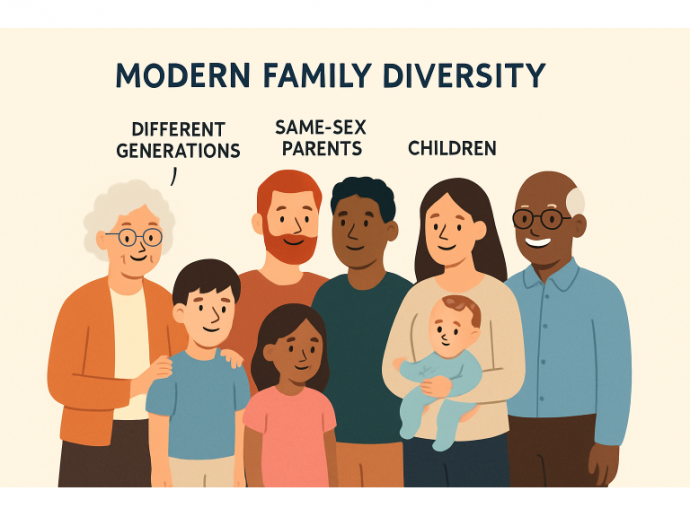
Many of the laws and traditions that once governed family life grew from an era with much more rigid definitions of marriage and kinship. Over time, these structures have shifted dramatically. Today’s legal frameworks increasingly recognize same-sex couples, cohabiting or unmarried partners, single parents, and extended family caregivers as legitimate family units. Courts and legislatures are reevaluating legal protections and rights, for instance, inheritance, adoption, and access to benefits, to ensure all family forms have the support they need.
This evolution is particularly significant for children. Legal decision-makers must consider how to protect a child’s stability when the adults in their lives fall outside the traditional nuclear household model. By expanding the scope of who counts as a parent or guardian, laws can better reflect the real support networks that sustain children and adults alike.
Embracing Alternative Dispute Resolution
The adversarial nature of traditional litigation can intensify conflict within already strained families. Alternative dispute resolution (ADR) methods such as mediation, collaborative law, and negotiation take a different approach. These options encourage communication and cooperation. They can help parents and partners resolve issues related to divorce, custody, and support much more amicably than courtroom battles often allow. According to the American Bar Association, mediation often leads to agreements that all parties feel more invested in, reducing the likelihood of future disputes.
Integrating Technology into Family Law Practices
The implementation of technology is swiftly transforming legal practice. Digital filing systems, e-signature tools, and web-based court hearings have accelerated the pace and convenience of family law matters. These innovations particularly benefit families juggling complex schedules or living at a distance. Co-parenting apps allow separated and blended families to coordinate shared responsibilities and schedules, reducing misunderstandings and promoting smoother communication.
Navigating Reproductive Technology Challenges
As science has made parenthood possible for more people through means like in vitro fertilization (IVF), egg and sperm donation, and gestational surrogacy, new legal questions have inevitably arisen. Lawmakers must address issues such as donors' rights, the distribution of parental responsibilities, and the handling of disputes over embryos. Comprehensive, forward-thinking statutes can help ensure that everyone involved, intended parents, surrogates, and children, understands their rights and obligations from the outset.
Prioritizing Child-Centric Approaches
The movement toward child-centric legal decision-making is one of the most significant advances in modern family law. Rather than focusing solely on parental rights, courts now emphasize outcomes that serve the child’s emotional, educational, and developmental needs. Child-inclusive practices are designed to listen to young people and ensure their perspectives are considered in custody decisions, creating parenting plans that are more tailored and constructive.
Addressing Cross-Border Family Issues
Global migration and multicultural relationships mean cross-border family issues are increasingly common. International divorces, custody disputes, and the recognition of foreign marriages and adoptions all present difficult legal questions. Systems must be in place to ensure the fair treatment of families, regardless of where they live or move. Intergovernmental agreements such as the Hague Convention on International Child Abduction help provide some uniformity, but gaps remain that courts and lawmakers continue to address.
Implementing Empirical Evidence in Family Law
Incorporating empirical research into lawmaking transforms subjective debates into policies based on outcomes. Analyses of family court data, longitudinal studies of children’s welfare, and research on the efficacy of various custody arrangements help lawmakers refine practices for future cases. Reliable resources, including NPR Health Shots, showcase trends and research that drive legal reform and shape a more responsive system for modern families.
Final Thoughts
Family law must adapt to provide security and resolution for a diverse array of households. Whether through expanding family definitions, encouraging collaborative dispute resolution, harnessing technology, or prioritizing children's well-being, the legal system has the tools to evolve alongside society. With these practical approaches in place, families can face new challenges with the reassurance that the law is equipped to support them, however, their lives change.
