Categories more
- Adventures (62)
- Arts / Collectables (14)
- Automotive (77)
- Aviation (65)
- Bath, Body, & Health (123)
- Children (6)
- Cigars / Spirits (71)
- Cuisine (66)
- Design/Architecture (22)
- Electronics (63)
- Entertainment (36)
- Event Planning (115)
- Fashion (45)
- Finance (10)
- Gifts / Misc (6)
- Home Decor (118)
- Jewelry (41)
- Pets (3)
- Philanthropy (1)
- Real Estate (16)
- Services (44)
- Sports / Golf (14)
- Vacation / Travel (85)
- Watches / Pens (33)
- Wines / Vines (34)
- Yachting / Boating (67)



Rome After Dark: Inside Italy's Capital of Luxury Living

Published
08/03/2026Rome rewards travelers who look beyond the postcard views. Behind the floodlit ruins and baroque fountains lies a discreet world of five-star hospitality, tailored experiences and after-hours indulgence. For a global luxury audience, the Eternal City offers refined evenings, bespoke shopping and private cultural access that reach well beyond restaurants and rooftop bars, rewarding those willing to plan with the same care they bring to any other major capital.
Travelers seeking refined companionship for social events, gallery openings or quiet dinners increasingly turn to city-specific directories such as the listings for high-class escorts in Rome, where client reviews, comments and detailed city listings set the standard for a market that values privacy as much as elegance.
Five-Star Hotels and Private Suites
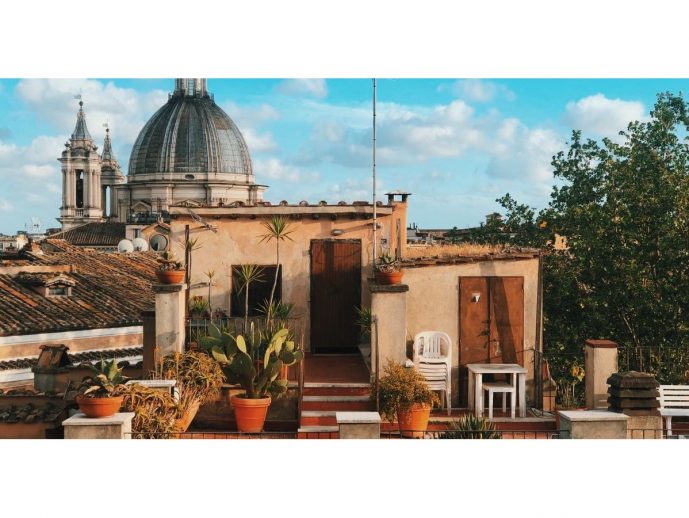
No luxury stay in Rome is complete without a base that matches the ambition of the trip. The city's historic five-star properties, many housed in restored palazzi near the Spanish Steps and Via Condotti, combine frescoed ceilings with modern spa facilities, private butlers and rooftop terraces overlooking the domes of the historic center. Suites are often booked well in advance during fashion weeks, film festivals and the high season between spring and autumn.
- Palazzo-style hotels with private terraces overlooking St. Peter's Basilica or the Roman Forum
- Concierge teams that arrange private after-hours museum access
- In-suite dining curated by experienced chefs
For extended stays, several boutique properties near Piazza Navona offer entire floors as private residences, with dedicated staff and round-the-clock security. These arrangements typically bundle chauffeured transfers, a personal concierge and priority reservations into a single point of contact.
Fine Dining and Exclusive Culinary Experiences
Rome's culinary scene is among the most competitive in Europe, with Michelin-starred kitchens reinterpreting Roman classics such as cacio e pepe and saltimbocca alla romana. Beyond the starred restaurants, a parallel world of private chefs and members-only supper clubs has emerged, often set inside restored wine cellars or rooftop gardens. Sommeliers place renewed focus on Lazio's native wines, particularly Frascati and Cesanese, pairing them with tasting menus designed for international guests.
Dress codes remain a quiet but important part of the luxury scene: most fine-dining rooms and members' clubs expect smart tailoring rather than resort wear. Tipping conventions are lighter than in many other capitals - a service charge is often included, so rounding up the bill or leaving a modest cash tip for exceptional service is generally sufficient.
Exclusive Evening Experiences
As the city's shops and museums close, Rome's evening economy shifts toward rooftop lounges, private members' clubs and late dinners that often begin closer to ten o'clock than eight. For travelers accustomed to a certain standard of company and conversation, the upscale companionship scene has professionalized considerably, with platforms now offering client reviews, comments and city-specific listings that make it easier to arrange a refined evening with confidence and discretion. This mirrors a broader trend across major European capitals, where discerning travelers expect the same level of transparency in personal services that they already expect from hotels and restaurants.
Bespoke Shopping Along Via Condotti
Rome's answer to the world's great shopping streets is the triangle formed by Via Condotti, Via Borgognona and Via del Babuino, where flagship stores sit alongside long-established ateliers offering made-to-measure tailoring. Many still work by appointment, with fittings that can take several sessions.
|
District |
Known For |
Best Suited For |
|
Via Condotti |
Flagship luxury boutiques |
Ready-to-wear and accessories |
|
Via Giulia |
Antiques and fine art |
Collectors and interior design |
|
Trastevere |
Independent ateliers |
Bespoke tailoring and leather goods |
Personal shopping services, often arranged through hotel concierges, remain a fast way to navigate these districts. Along Via Giulia, family-run galleries and goldsmiths sell estate pieces, vintage watches and restored furniture, often with discreet international shipping.
Cultural Highlights Worth the Detour
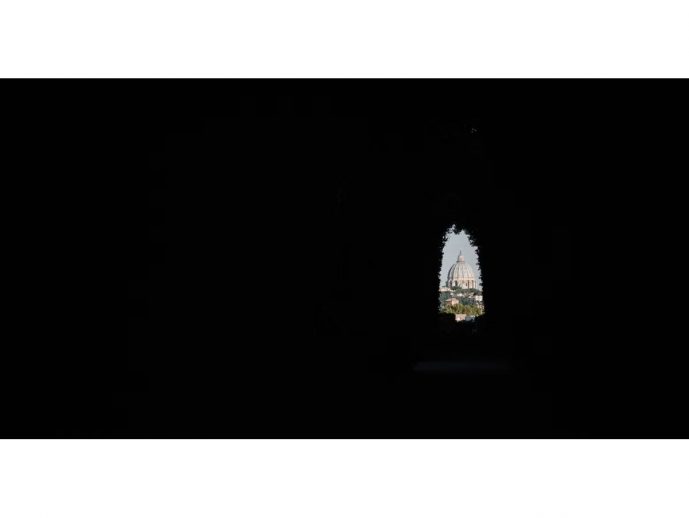
Beyond the obvious landmarks, several smaller sites reward travelers willing to venture off the main routes. The Galleria Borghese, with its Bernini sculptures and Caravaggio paintings, requires advance booking and limits visitor numbers in each time slot, keeping the rooms calm even in peak season. Set within the gardens of the Villa Borghese, it pairs well with a stroll through the surrounding park. The Aventine Hill's keyhole view of St. Peter's dome, framed through the keyhole of the Knights of Malta Priory gate — a single glance across Italian soil, the Order's extraterritorial estate and Vatican City.
- Galleria Borghese - advance booking essential, limited daily entries
- Aventine Hill keyhole - free, best visited at dawn or late afternoon to avoid queues
- Centrale Montemartini - a former power station turned classical sculpture museum
Planning a Discreet, High-End Trip to Rome
Travelers organizing a premium visit to Rome typically rely on a small circle of trusted contacts: a hotel concierge for reservations and access, a personal shopper for the Via Condotti triangle, and, increasingly, city-specific directories for evening companionship. A common approach is to fix the anchor points first - flights, hotel and advance-booking sites such as the Galleria Borghese - then build dining, shopping and evening plans around them.
Late spring and early autumn tend to offer the steadiest weather for open-air dinners and rooftop cocktails, while midsummer heat pushes many locals and visitors toward later starts and air-conditioned interiors during the afternoon.
Frequently Asked Questions
When is the best time to visit Rome for a luxury trip?
Late spring and early autumn offer a good balance of mild weather and manageable crowds, while remaining within the city's high season for restaurants and hotels.
How far in advance should five-star hotel suites be booked?
For fashion weeks, major holidays or film festival periods, booking several months ahead is advisable; standard high season still benefits from booking a few weeks ahead.
Is it easy to arrange discreet companionship services in Rome?
City-specific directories with client reviews and comments have made this considerably more transparent than in the past, allowing travelers to plan with more confidence and discretion.
What is the best area to stay in for a luxury Rome experience?
The historic center around the Spanish Steps, Piazza Navona and Via Condotti offers the shortest distances between top hotels, fine dining and shopping.
Do I need to dress formally for Rome's luxury venues?
Most upscale restaurants, hotel bars and private clubs expect smart, tailored attire rather than casual resort wear, particularly once evening sets in.
Comments
