Categories more
- Adventures (76)
- Arts / Collectables (24)
- Automotive (82)
- Aviation (77)
- Bath, Body, & Health (148)
- Children (54)
- Cigars / Spirits (91)
- Cuisine (99)
- Design/Architecture (39)
- Electronics (72)
- Entertainment (49)
- Event Planning (122)
- Fashion (88)
- Finance (18)
- Gifts / Misc (14)
- Home Decor (135)
- Jewelry (74)
- Pets (12)
- Philanthropy (5)
- Real Estate (48)
- Services (62)
- Sports / Golf (44)
- Vacation / Travel (173)
- Watches / Pens (83)
- Wines / Vines (52)
- Yachting / Boating (89)


Salt Lake City, Utah Plumbing Preparation for Extreme Weather

Published
08/05/2026Key Takeaways
- Salt Lake City homes can experience plumbing stress due to freezing temperatures, mountain snowstorms, spring runoff, heavy rain, and power outages.
- Knowing where the main water shutoff is located can greatly limit damage from a burst pipe or major leak.
- Outdoor fixtures, irrigation lines, crawl spaces, garages, and exterior wall plumbing deserve extra attention before cold weather arrives.
- Small leaks, slow drains, and sump-pump issues are easier to address before severe weather arrives.
- Simple preparation helps protect your home, water supply, and belongings when conditions change quickly.
Salt Lake City weather can shift quickly, from dry summer heat to sudden cold snaps along the Wasatch Front, followed by snowmelt and spring rain. That range of conditions can strain pipes, drains, water heaters, sprinkler systems, and basement drainage. Homeowners who need dependable plumbing services Salt Lake City can benefit from handling basic prevention early instead of waiting for a plumbing emergency.
Preparation does not require advanced repair skills. It starts with knowing how water moves through the home, where it can freeze or collect, and when a problem needs professional attention. Salt Lake City also encourages residents to winterize homes, insulate vulnerable pipes, and monitor winter weather alerts through its local winter preparedness guidance.
Why Extreme Weather Affects Salt Lake City Plumbing
Freezing temperatures can cause water inside a pipe to expand, placing pressure on pipe walls and fittings. A pipe may crack while frozen, but the leak often becomes obvious only after it thaws. Sudden temperature changes can also expose aging seals, weak joints, and lines installed near cold exterior walls.
Heavy rain, rapid snowmelt, and runoff can create a different problem. Water may overwhelm gutters, foundation drains, floor drains, sump pumps, and sewer connections. Older homes in lower areas or properties with basements should be especially mindful of drainage around the foundation.
Find and Test the Main Water Shutoff
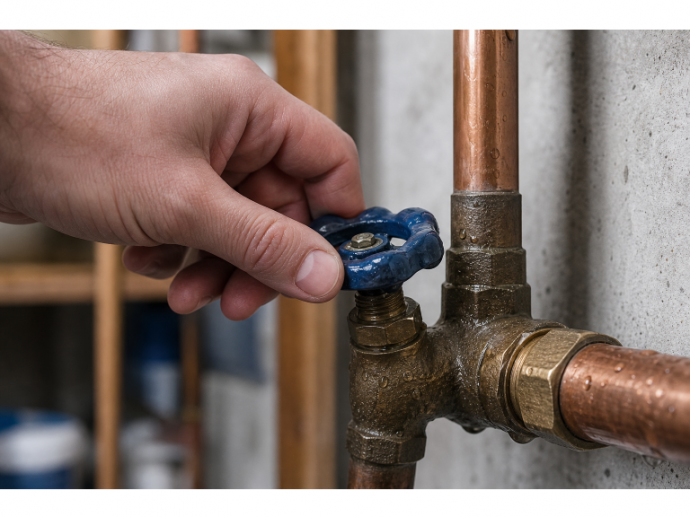
Every adult in the household should know where the main water shutoff valve is. It is commonly near the water meter, on a basement wall, in a utility room, crawl space, garage, or mechanical closet. Keep the area accessible, clearly label the valve, and test it gently before an emergency occurs.
If a pipe bursts or a major supply line leaks, shutting off the main water can reduce flooding while help is arranged. If the valve is seized, inaccessible, or unclear, have it evaluated before winter weather or an extended trip.
Winterize Outdoor Faucets and Irrigation Lines
Disconnect garden hoses before freezing weather. A connected hose can trap water inside an exterior faucet and increase the chance of damage. If the home has interior shutoff valves for hose bibs, close them and drain the exterior line according to the plumbing setup.
Inspect outdoor faucets for drips, cracks, loose connections, or signs of water around the wall. Irrigation systems need separate attention. Professional winterization may be appropriate for systems with backflow devices, multiple zones, or buried lines. Salt Lake City Public Utilities also recommends winterizing sprinkler systems and backflow devices before the first frost in its fall conservation tips.
Protect Pipes in Cold Areas
Check exposed plumbing in garages, crawl spaces, unfinished basements, attics, and utility rooms. Pipe insulation can help reduce heat loss, while sealing gaps around plumbing penetrations can limit cold drafts. Do not block combustion-air openings, appliance vents, or other required ventilation.
During a severe freeze, open cabinet doors under sinks on exterior walls to allow household heat to reach the supply lines. Keep indoor temperatures steady when away from home, including overnight. For vacant homes, second properties, and older houses with limited insulation, arrange regular checks during prolonged cold spells.
Use Faucet Drips Carefully
A small, steady drip may help reduce the risk of freezing in a particularly vulnerable line, especially one near an exterior wall or an unheated space. It is not necessary to run every faucet, and dripping water does not replace insulation, heating, or repair of a known problem. Focus on fixtures with a history of freezing and follow local utility guidance during significant cold events.
Inspect Water Heaters and Drains Before Weather Changes
Look around the water heater for moisture, rust, damaged supply connections, or water near the pressure-relief discharge area. Keep the unit accessible and free of stored boxes, paint, or other clutter. Unusual noises, rusty hot water, inconsistent temperatures, or visible leakage should be addressed promptly. Do not alter gas, electrical, or pressure components without proper qualifications.
Before heavy rain or spring runoff, clear leaves from outdoor grates and make sure downspouts direct water away from the foundation. Test basement floor drains and sump pumps. A sump pump should activate, discharge properly, and have a backup plan in case of a power outage. Avoid pouring grease, wipes, or solids into drains, since these materials can worsen a partial blockage when the system is under added demand.
Build a Basic Plumbing Emergency Kit
Keep a small kit where it is easy to find. It should support safe first steps, not substitute for permanent repairs. Useful items include:
- An adjustable wrench and gloves.
- A flashlight with spare batteries.
- Buckets, towels, and absorbent materials.
- Pipe insulation and plumber's tape for minor temporary measures.
- Labels for shutoff valves.
- Contact information for the water utility and a qualified plumbing professional.
What to Do If a Pipe Freezes
- Turn off the main water supply if a pipe appears damaged, water is leaking, or a burst seems likely.
- Carefully open the affected faucet to relieve pressure.
- Gradually warm the surrounding area with normal household heat.
- Never use an open flame, torch, or high-heat device on a pipe.
- Check nearby cabinets, ceilings, floors, and walls for moisture as the line thaws.
- Call a professional if the frozen section cannot be located, the pipe has split, or water is near electrical equipment.
Power Outages and Vacant Homes
A loss of heat can quickly raise the risk of frozen pipes. Before a winter storm, understand whether the heating system, sump pump, alarms, and backup power equipment will continue working during an outage. If leaving town, keep the heat on, ask a trusted person to check the property, and make sure they know where the water shutoff is located.
When to Call a Professional
Stop and seek help for burst pipes, sewage backups, water near electrical panels or outlets, inaccessible shutoffs, repeated clogs, sewage odors, major water-heater concerns, sudden pressure loss, or unexplained damp spots. Hidden leaks can damage framing, flooring, cabinets, and insulation long before they become visible.
Common Plumbing Questions
How cold is too cold for pipes?
There is no single guaranteed temperature. Risk depends on wind, insulation, indoor heat, pipe material, pipe location, and how long temperatures remain below freezing.
Can a frozen pipe thaw without bursting?
Yes, but a crack may not reveal itself until water pressure returns as the ground thaws. Watch the area closely and be ready to shut off the water.
Is a slow drain a storm warning?
It can be. A slow drain may indicate a partial blockage that could become more troublesome during heavy household use or wet weather.
Conclusion
Salt Lake City homeowners cannot control every freeze, storm, outage, or rapid change in weather. They can prepare for them. Find the shutoff valve, protect exposed pipes, winterize outdoor plumbing, inspect drainage equipment, and respond quickly to leaks. Those practical steps can prevent a manageable concern from becoming major water damage.
Comments
