Categories more
- Adventures (62)
- Arts / Collectables (14)
- Automotive (77)
- Aviation (65)
- Bath, Body, & Health (123)
- Children (6)
- Cigars / Spirits (71)
- Cuisine (66)
- Design/Architecture (22)
- Electronics (63)
- Entertainment (36)
- Event Planning (115)
- Fashion (45)
- Finance (10)
- Gifts / Misc (6)
- Home Decor (118)
- Jewelry (41)
- Pets (3)
- Philanthropy (1)
- Real Estate (16)
- Services (44)
- Sports / Golf (14)
- Vacation / Travel (85)
- Watches / Pens (33)
- Wines / Vines (34)
- Yachting / Boating (67)



The Art of Custom Jewelry and Engagement Rings

Published
04/27/2026The Allure of Lapis Lazuli in Custom Jewelry Design
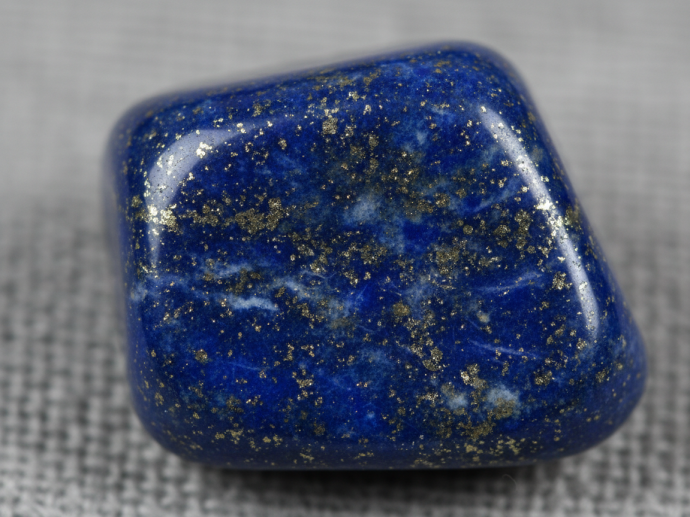
The journey into Custom Lapis Lazuli Jewelry Design often begins with selecting a gemstone that resonates deeply with its wearer. For many, lapis lazuli is that stone. Its captivating, deep celestial blue, often flecked with golden pyrite, evokes the vastness of a star-studded night sky. This unique aesthetic makes it an exceptional choice for bespoke creations, offering a blend of ancient mystique and modern elegance.
At its core, lapis lazuli is not a single mineral but a metamorphic rock composed primarily of lazurite, which gives it its characteristic intense blue hue. Other minerals commonly found within lapis lazuli include calcite (white streaks), sodalite (grayish), and most notably, pyrite (golden specks). The presence and distribution of these minerals significantly influence the stone's appearance and perceived value. High-grade lapis lazuli boasts a uniform, deep blue color with well-distributed, shimmering pyrite flecks, reminiscent of glittering stars. Excessive calcite can result in a paler, less desirable blue with prominent white patches, while too much pyrite can make the stone appear dull or greenish.
The opaque luster of lapis lazuli provides a striking contrast to transparent gemstones, offering a bold and grounded presence in any design. Its rich color and unique inclusions ensure that no two pieces of lapis lazuli are exactly alike, making it inherently perfect for custom jewelry where individuality is paramount. When considering a bespoke piece, understanding the distinct characteristics of this remarkable stone is crucial for crafting a design that truly stands out.
Here are some of the unique physical characteristics that make lapis lazuli a favored choice for custom jewelry:
- Vibrant Blue Hue: The signature deep blue, ranging from indigo to royal blue, is primarily due to the presence of lazurite.
- Golden Pyrite Inclusions: Small, metallic specks of pyrite create a natural, glittering effect, often compared to stars in the night sky, and are a key indicator of genuine lapis lazuli.
- Opaque Nature: Unlike translucent gems, lapis lazuli's opacity lends a solid, substantial feel and allows for bold color statements.
- Variable Patterns: The natural distribution of lazurite, pyrite, and calcite means each stone possesses a unique pattern and character.
- Moderate Hardness: With a Mohs hardness of 5 to 6, it is durable enough for jewelry but requires careful handling to prevent scratches.
- Natural Cooling Touch: Authentic lapis lazuli often feels cool to the touch, a subtle indicator of its genuine mineral composition.
Historical Significance and Cultural Heritage
The story of lapis lazuli is interwoven with the annals of human civilization, dating back thousands of years. It stands as one of the oldest and most revered gemstones, prized by ancient cultures for its celestial color and perceived mystical properties. Its journey from remote mines to royal treasuries and sacred artifacts speaks volumes about its enduring appeal.
Ancient civilizations in Mesopotamia and Egypt were among the first to recognize and utilize lapis lazuli extensively. In Mesopotamia, it was used to create intricate cylinder seals, statuettes of gods, and elaborate jewelry for royalty. The Egyptians held lapis lazuli in particularly high esteem, believing it to be a stone of the gods, symbolizing truth, wisdom, and the heavens. Perhaps its most iconic historical appearance is in the funeral mask of Pharaoh Tutankhamun, where it was intricately inlaid alongside gold and other precious materials, signifying its profound spiritual and regal importance.
Beyond its use in personal adornment and ceremonial objects, lapis lazuli played a pivotal role in art history. During the Renaissance, it was ground into a fine powder to create ultramarine, the most expensive and vibrant blue pigment available. Artists like Michelangelo reserved this precious pigment for the most significant elements of their works, such as the Virgin Mary's robes in religious paintings, because of its extraordinary cost and luminosity. The Etruscans, too, incorporated lapis lazuli into their sophisticated jewelry, crafting exquisite rings and other adornments that showcased the stone's beauty.
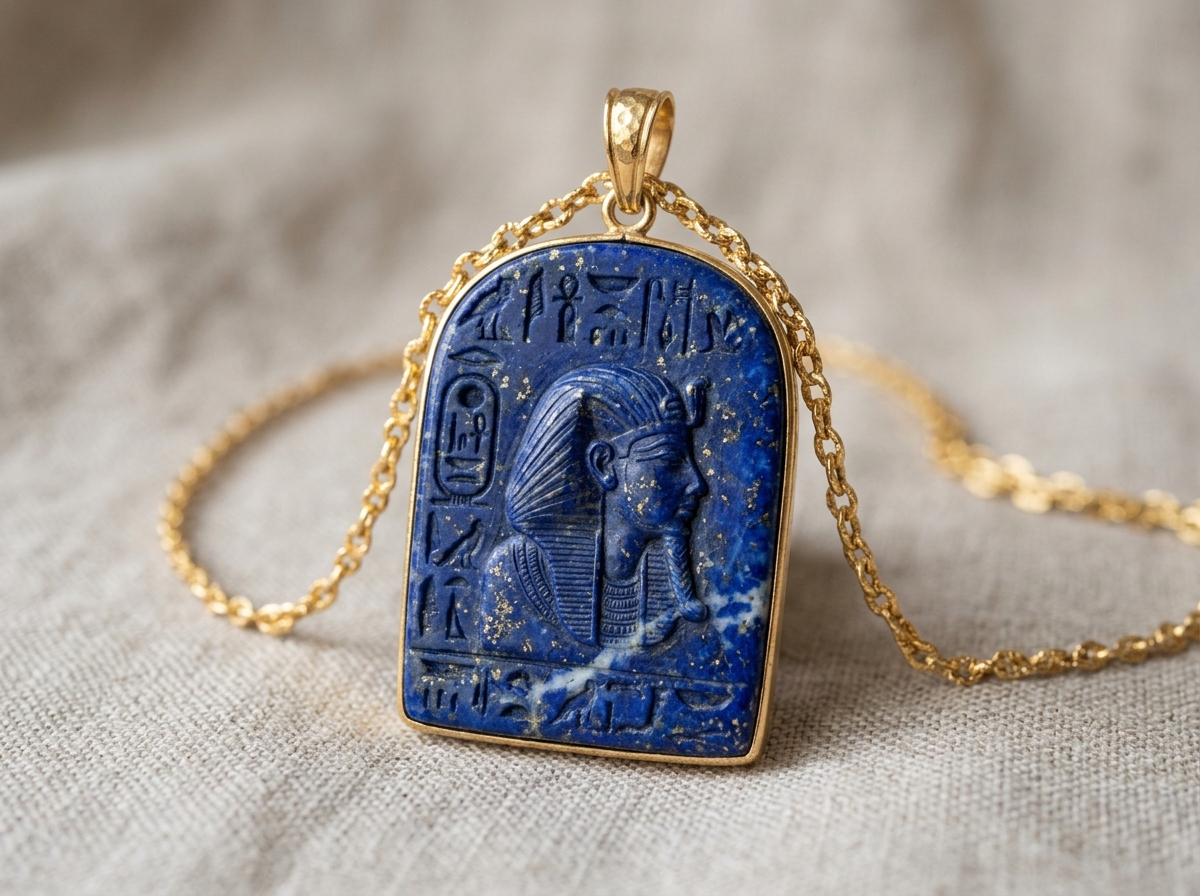
The trade routes for lapis lazuli were established as early as the 4th millennium BC, with the primary source being the remote Sar-e-Sang mines in Afghanistan. This region remains a significant source today. This early global trade highlights the gemstone's universal appeal and the high value it holds across diverse cultures. It was often incorporated into protective symbols, believed to ward off evil and bring good fortune to the wearer. The image of a pharaoh-carved lapis lazuli pendant, for instance, directly connects to this rich legacy, embodying centuries of cultural reverence and artistic craftsmanship.
Designing with Purpose: Symbolism and Metaphysical Properties
Beyond its captivating beauty and rich history, lapis lazuli is deeply imbued with symbolic meaning and purported metaphysical properties, making it an ideal gemstone for custom jewelry designed with intention. For centuries, it has been revered as a stone that connects the physical and spiritual realms, fostering inner wisdom and truth.
Many believe lapis lazuli to be a powerful talisman for enhancing intellectual ability and promoting good judgment. It is often associated with wisdom, inner truth, and integrity, encouraging self-awareness and the expression of one's authentic self. For those seeking to communicate more effectively and with greater clarity, lapis lazuli is thought to stimulate honest and compassionate expression.
Energetically, lapis lazuli is considered a stone of protection. It is believed to shield the wearer from negative energies and psychic attacks, creating a sense of peace and tranquility. Its deep blue color is often associated with the third eye chakra, the energy center for intuition, insight, and spiritual perception. Wearing lapis lazuli is said to activate this chakra, enhancing one's intuitive capabilities and fostering a deeper connection to universal knowledge.
Furthermore, lapis lazuli symbolizes strength and courage, empowering individuals to overcome challenges and take charge of their lives. It is a stone that encourages self-confidence and a sense of purpose. In modern interpretations, it has also gained recognition as an alternative birthstone for September, offering a vibrant and historically rich option for those born in this month. This dual appeal—as a stone of profound meaning and a beautiful birthstone—makes it a thoughtful and personalized gift.
To illustrate its diverse symbolism, consider this comparison:
Cultural Context Primary Symbolism Modern Interpretation (April 2026)
Ancient Egypt Royalty, divine power, truth, protection from evil Leadership, integrity, spiritual connection, personal safeguard
Mesopotamia Heavenly connection, wisdom, justice Clarity of thought, objective judgment, ethical decision-making Renaissance Europe Purity, divinity (as ultramarine pigment) Artistic inspiration, emotional depth, connection to higher ideals
Spiritual/Metaphysical Third Eye activation, intuition, inner wisdom Enhanced perception, self-awareness, personal growth Modern Jewelry (2026) September birthstone alternative, strength, courage Personalized gifting, statement of individuality, empowerment Technical Considerations for Custom Jewelry Design
Crafting custom jewelry with lapis lazuli requires not only an appreciation for its beauty and symbolism but also a deep understanding of the technical considerations involved, from sourcing to setting. The quality of the finished piece hinges on meticulous artisan techniques and ethical practices.
Ethical sourcing is a paramount concern in modern jewelry production. While Afghanistan has historically been the most significant source of high-quality lapis lazuli, other notable deposits are found in Chile, Mongolia, and Italy. Responsible jewelers prioritize sourcing stones that are mined and traded under fair labor conditions, ensuring that the beauty of the gemstone does not come at a human or environmental cost. The Chilean lapidary art, for example, represents a long tradition of skilled craftsmanship in working with this stone.
When selecting lapis lazuli for a custom piece, key factors include color intensity, the distribution of pyrite flecks, and the absence of excessive calcite. The goal is often a rich, uniform deep blue with a balanced sparkle from the pyrite. Artisans then employ various techniques to cut and polish the stone, maximizing its natural beauty and ensuring it is ready for setting. The precision of these techniques is reflected in the jewelry's overall quality and longevity.
The market for artisan-crafted lapis lazuli jewelry is robust, with platforms showcasing thousands of unique pieces. For example, some artisans boast over 12,000 happy clients and a 97.4% positive review rate from over 155,000 total reviews for specific carved pendants, demonstrating the high regard for skilled craftsmanship in this sector. These statistics underscore the demand for quality and the trust consumers place in expert jewelers who understand the nuances of working with lapis lazuli.
Selecting the Right Metals for Custom Jewelry Design
The choice of metal for a custom lapis lazuli piece is crucial, as it influences the overall aesthetic, durability, and even the wearer's comfort. The deep blue of lapis lazuli pairs beautifully with a range of precious metals, each offering a distinct visual appeal.
- Sterling Silver (.925): A popular choice for artisan and everyday jewelry, sterling silver offers a bright, cool contrast to the warm blue of lapis lazuli. It's durable, affordable, and widely available, making it excellent for intricate designs. Many artisan pieces from countries like India and Thailand frequently combine lapis lazuli with .925 sterling silver settings.
- 18K/14K Yellow Gold: The rich, warm tones of yellow gold create a luxurious and classic pairing with lapis lazuli. The golden pyrite flecks in the stone are beautifully echoed by the gold setting, enhancing its celestial appearance. This combination is often seen in high-end and luxury collections.
- Gold Vermeil: Offering the opulent look of gold at a more accessible price point, gold vermeil consists of a thick layer of gold (typically 18K or 24K) plated over sterling silver. It's a great option for those who desire the gold aesthetic without the full investment, and it's considered a noble metal, generally safe for sensitive skin.
- Rose Gold: The soft, romantic hue of rose gold provides a contemporary and elegant backdrop for lapis lazuli. Its subtle warmth can bring out different undertones in the blue, creating a unique and sophisticated look.
When selecting metals, it's important to consider their purity and authenticity. Reputable jewelers ensure that all precious metals are independently hallmarked, a legal requirement in many regions (such as under the Hallmarking Act 1973 in the UK) that guarantees the metal's fineness. This is especially important for noble metals like gold and silver, which are known for their hypoallergenic properties and are suitable for sensitive skin.
Popular Styles and Settings for Custom Jewelry Design
Lapis lazuli's versatility allows it to be incorporated into an array of jewelry styles, from bold statement pieces to delicate everyday adornments. Custom design opens up endless possibilities, ensuring the piece perfectly matches the wearer's vision.
- Necklaces: Lapis lazuli necklaces are incredibly popular, ranging from simple pendant designs to elaborate collars and layered pieces. Pendants often feature a single, striking lapis stone, sometimes accented with diamonds or other gems. Layering necklaces, such as those with adjustable chains, allows for personalized styling. Luxury brands might offer sophisticated "boule" or moon-inspired designs. At the same time, artisan markets feature a wide variety of themed pendants, often combining lapis with sterling silver, cultured pearls, or other natural stones.
- Rings: From elegant cocktail rings that make a statement to classic signet rings engraved with meaningful symbols, lapis lazuli rings are a timeless choice. Bezel settings are particularly favored for lapis lazuli, as they securely cradle the stone and highlight its smooth, polished surface. Some designs incorporate pavé diamond accents around the lapis, adding a touch of sparkle that complements the stone's natural pyrite flecks.
- Earrings: Dangle earrings, stud earrings, and even ear cuffs showcase lapis lazuli beautifully. Dangle designs allow the stone to catch the light, while stud earrings offer a more subtle touch of color. The deep blue can be set in various metals, creating different effects—a cool elegance with silver or a warm glow with gold.
- Bracelets: Lapis lazuli bracelets, whether beaded strands, delicate chains with small lapis accents, or cuff designs, offer a constant reminder of the stone's protective and wise energies.
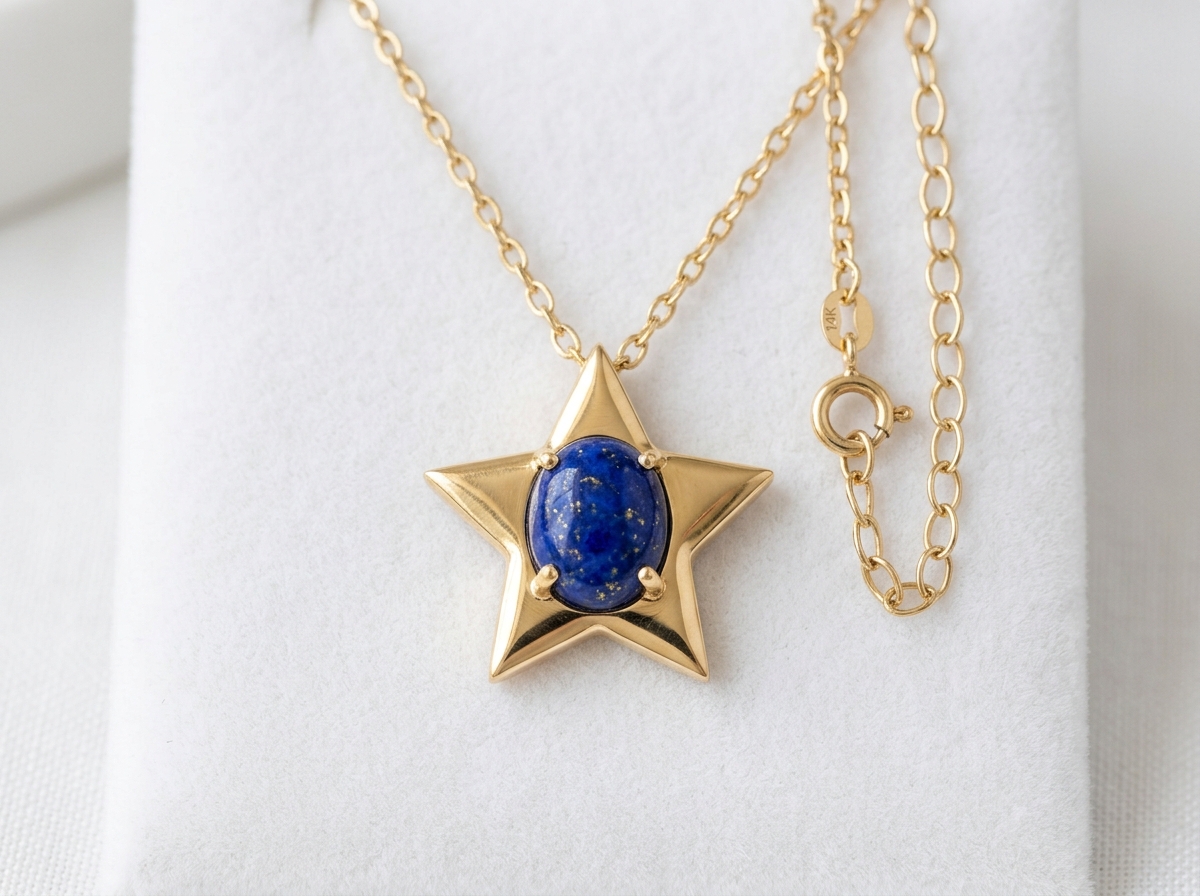
Many contemporary designs draw inspiration from the stone's "star-studded sky" aesthetics. Celestial motifs, such as stars, moons, and constellations, are frequently paired with lapis lazuli, emphasizing its cosmic allure. The beauty of custom design lies in combining popular styles with personal touches, ensuring the final piece is not just jewelry but a unique expression of identity.
Maintaining the Luster of Bespoke Pieces
A custom piece of lapis lazuli jewelry is an investment, both financially and emotionally. Proper care, cleaning, and storage are essential to maintain its lustrous beauty and ensure it remains an heirloom for generations. Lapis lazuli, while beautiful, is a relatively soft stone and requires a gentle touch.
Cleaning Protocols: To clean your lapis lazuli jewelry, avoid harsh chemicals, ultrasonic cleaners, and steam cleaners, as these can damage the stone or alter its natural color. Instead, use a soft, damp cloth and mild soap (if necessary) to gently wipe the surface. Rinse thoroughly with clean water and dry immediately with a soft, lint-free cloth. For sterling silver components, a silver polishing cloth can help remove tarnish and restore shine. For gold vermeil, some experts suggest dabbing gently with a tiny amount of Windex on a soft cloth to remove tarnish, rather than abrasive polishing cloths, which can wear down the gold layer.
Storage Recommendations: How you store your lapis lazuli jewelry is just as important as how you clean it. Always store pieces separately from other jewelry to prevent scratches and damage. Fabric-lined boxes or individual soft pouches are ideal. Many high-quality jewelry pieces come with anti-tarnish technology, such as Intercept® pouches, which help protect silver and gold vermeil from oxidation and discoloration. Keep your jewelry in a dry environment, away from extreme temperatures and humidity, which can affect both the stone and the metal.
Chemical Avoidance: Lapis lazuli is porous and can be adversely affected by chemicals found in perfumes, hairsprays, lotions, and cleaning products. It's best to put on your jewelry after applying cosmetics and to remove it before engaging in activities that might expose it to harsh substances, such as swimming, cleaning, or exercising.
Professional Restoration: Even with the best care, sometimes a piece may require professional attention. If your lapis lazuli jewelry shows signs of significant wear, damage, or tarnish that you cannot resolve with gentle cleaning, consult a professional jeweler. They can assess the piece and recommend appropriate restoration or repair services to ensure its longevity and beauty.
Frequently Asked Questions about Lapis Lazuli Jewelry
How can I identify authentic lapis lazuli in a custom piece?
Identifying authentic lapis lazuli is crucial, especially when investing in a custom piece. Several characteristics can help you distinguish genuine lapis lazuli from imitations or lower-grade stones:
- Pyrite Flecks: The most distinctive feature of genuine lapis lazuli is the presence of golden pyrite flecks, often referred to as "fool's gold." These metallic inclusions are naturally embedded within the stone and create a beautiful, star-like sparkle. While some high-grade lapis may have very few flecks, the complete absence of flecks can be a red flag.
- Color Intensity: Authentic lapis lazuli typically exhibits a deep, uniform royal blue to indigo hue, primarily due to its high lazurite content. If the color appears dull or overly pale, or shows large, prominent white streaks (calcite), it might be of lower quality or even a dyed imitation.
- Natural Cooling Touch: Like many natural gemstones, lapis lazuli often feels cool to the touch. This can be a subtle but helpful indicator when comparing it to plastic or glass imitations, which tend to warm up quickly.
- Opaque Luster: Lapis lazuli is an opaque stone. If a "lapis lazuli" piece appears translucent or transparent, it is likely an imitation.
- Authenticity Guarantees: When purchasing custom jewelry, always inquire about the jeweler's authenticity guarantees. Reputable jewelers will provide documentation or assurances regarding the origin and quality of their gemstones. For the metal components, hallmarking verification ensures the purity of gold or silver.
What are the current price ranges for high-quality lapis jewelry?
The price of lapis lazuli jewelry varies significantly based on several factors, including the stone's quality, the design's complexity, the type of metal used, and the brand or artisan. As of April 2026, you can find lapis lazuli pieces across a wide spectrum:
- Affordable Artisan Pieces: Entry-level artisan jewelry, often featuring sterling silver settings, can range from approximately $29 to $79 for items like cocktail rings or dangle earrings from online marketplaces. Artisan-crafted necklaces range from $35 to $380, depending on the stone size and design complexity.
- Mid-Range Designer Items: Brands focusing on accessible luxury might offer lapis lazuli jewelry, often in gold vermeil or sterling silver, priced typically between £78 and £350 (approximately $100 to $450 USD). These often include necklaces, bracelets, earrings, and rings with refined designs.
- High-End Luxury Items: At the pinnacle of the market, luxury brands present exquisite lapis lazuli pieces crafted with 18K gold, diamonds, and intricate designs. Prices for these items can range from $350 for smaller pieces like ear cuffs to $5,200 or more for elaborate necklaces or unique "boule" designs. Pieces from prestigious houses, featuring significant carat weights or paired with high-quality diamonds, can reach much higher figures, with examples including clips with 3.05-carat diamonds.
- Factors Influencing Price: The carat weight of the lapis lazuli (e.g., a 50ct carved pendant will naturally be more expensive than a small cabochon), the intensity and uniformity of its blue color, the presence and distribution of pyrite flecks, and the absence of excessive calcite all play a role. The craftsmanship, brand prestige, and inclusion of other precious gemstones (such as diamonds) also significantly affect the final price.
Why is lapis lazuli considered a top choice for personalized gifts?
Lapis lazuli's multifaceted appeal makes it an exceptional choice for personalized gifts, offering both aesthetic beauty and profound meaning:
- September Birthstone Status: While sapphire is the traditional September birthstone, lapis lazuli has gained popularity as a vibrant and meaningful alternative. This makes it a perfect, thoughtful gift for those celebrating September birthdays.
- 45th Anniversary Association: Lapis lazuli can also serve as a meaningful gift for a 45th wedding anniversary, offering a rich blue alternative to sapphire, symbolizing enduring love and wisdom gained over decades.
- Profound Symbolic Meaning: As a stone of wisdom, truth, inner strength, and protection, a lapis lazuli gift conveys deep sentiment. It suggests a wish for clarity, integrity, and empowerment for the recipient, making it far more than just a beautiful object.
- Customizable Options: Its suitability for custom jewelry allows for personalization through engravings, initial charms, or bespoke designs that reflect the recipient's unique style and story. This level of customization elevates a gift from generic to truly special.
- Timeless Elegance and Global Appeal: Lapis lazuli's rich history and universal appeal across cultures ensure its enduring appeal. Whether in an artisan-crafted piece or a luxury design, it carries a sense of heritage and sophistication that appeals to a wide range of tastes.
Conclusion
The art of custom jewelry design, particularly when featuring a gemstone as iconic as lapis lazuli, represents more than just adornment; it is an investment in personal expression and a tangible connection to history and meaning. As we move through April 2026, the demand for unique, bespoke pieces continues to grow, reflecting a desire for individuality and authenticity in an increasingly standardized world.
Choosing lapis lazuli for a custom design allows you to tap into a rich cultural legacy, embracing a stone revered by ancient pharaohs and Renaissance masters alike. Its celestial blue, flecked with golden pyrite, offers a constant reminder of the night sky's boundless possibilities and the deep wisdom it symbolizes.
From ethical sourcing and meticulous artisan techniques to the thoughtful selection of complementary metals and settings, every step in the custom design process contributes to creating a piece of enduring beauty. Whether you seek a bold statement, a protective talisman, or a deeply personal gift, lapis lazuli offers unparalleled versatility and charm. A custom lapis lazuli piece is not just jewelry; it is a future heirloom, a testament to exceptional craftsmanship, and a reflection of your unique story, destined to be cherished for generations.
Comments
