Categories more
- Adventures (17)
- Arts / Collectables (14)
- Automotive (36)
- Aviation (11)
- Bath, Body, & Health (76)
- Children (6)
- Cigars / Spirits (71)
- Cuisine (45)
- Design/Architecture (22)
- Electronics (13)
- Entertainment (4)
- Event Planning (6)
- Fashion (45)
- Finance (10)
- Gifts / Misc (6)
- Home Decor (45)
- Jewelry (41)
- Pets (3)
- Philanthropy (1)
- Real Estate (16)
- Services (23)
- Sports / Golf (14)
- Vacation / Travel (59)
- Watches / Pens (14)
- Wines / Vines (33)
- Yachting / Boating (17)



The Black Diamond Edit: Why This Once-Overlooked Stone Is Having Its Moment

Published
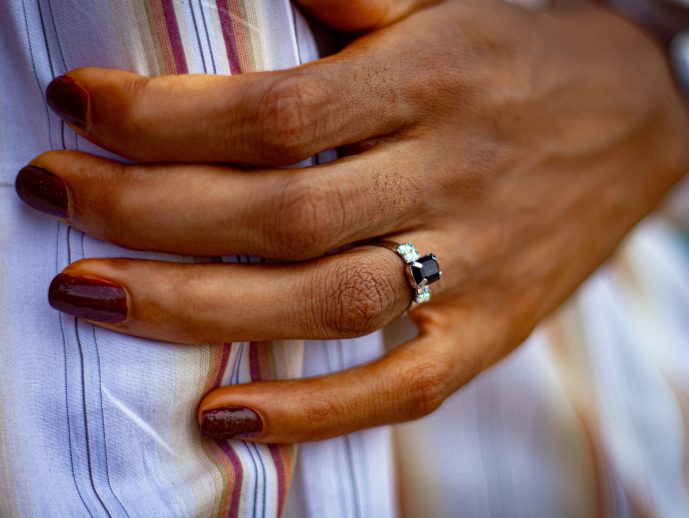
09/14/2026At one time, black diamonds were no more than a novelty, a bit of jewelry for a fashion editorial with a wild and edgy style quotient, not an option for the serious jewelry enthusiast. This is a 180 from the old "perception"! Black diamonds are ubiquitous these days, appearing in engagement rings, daily wear-and-tear rings, and everywhere in between when one enters any jeweler's shop in 2026. The stone has gone from ultra-niche to regular; and this is why you need to know about the stone.
What Actually Makes a Diamond Black
A black diamond isn't a white diamond dipped in dye or coated with a dark film. Genuine black diamond jewelry is built on a category of fancy colored diamond, and its color comes from within the stone itself. Dense clusters of mineral inclusions — graphite, hematite, or pyrite — pack so tightly inside the crystal that light can't pass through. Instead of refracting and scattering as it does in a colorless diamond, light gets absorbed. The result is that deep, opaque, almost velvet-black surface that gives the stone its distinctive presence.
Not all black diamonds are created equal. Slowly over millions of years, some form naturally like any other diamond. Others begin as a lower grade white or brown diamond that is heat treated or irradiated to permanently darken the diamond. They both come from real diamonds; they both actually last a long time, but for some, the origin plays a factor in price, as well as in the story behind the diamond for some. The good jewelers should make you aware that you're looking at one before you're lead to believe.
Built to Actually Be Worn
The black diamonds are the hardest gemstones on the Mohs scale, and thus can withstand daily wear far better than just about any other type of diamond gemstone. It's a good point to consider if you have to pick between a black diamond and a ring made of onyx or black spinel, which you'll wear every day. Also, the color doesn't fade or wear off; it is a structural color, no chipping, no dulling from age, no need to babysit the piece.
Where the Trend Is Headed
This year there are a few trends in black diamond jewelry making. Single black stone, set cleanly in prongs, is making some inroads in the market for its modest elegance, particularly in the oval and cushion varieties. Black and white diamonds are also very popular for individuals seeking drama without going completely all the way to the black, as they have a black center diamond surrounded by a ring of clear ones. Also, rose gold and white gold are being mixed together, and it is also becoming a popular trend: rose gold prongs on a white gold band, for instance, create a warm contrast with a cool stone.
Black diamonds have quickly caught up with men's fashion. When it comes to fine jewelry, the Signet ring, simple studs, and silver with black diamond accents are all sophisticated looks, which may be part of why it's one of the more gender-neutral jewelry options available today. Another point of interest is stacking which is another trend — a small black diamond band blends in with an existing wedding band or a pile of fashion rings, without standing out.
A Practical Buying Checklist
If you're shopping for a piece, a few things are worth checking before you buy:
- Ask whether the stone is natural or treated. Both are legitimate, but you should know what you're paying for.
- Look at the stone under regular daylight, not just studio lighting. A quality black diamond should read as deep, even black — not grey or patchy.
- Consider the setting style for how you'll actually wear it. Bezel settings protect the stone for daily wear; pavé and halo settings add more visual weight for occasional pieces.
- Check the metal pairing against your existing jewelry. White gold sharpens contrast, rose gold softens it, yellow gold leans vintage, and blackened gold unifies the whole piece into one tone.
- Confirm return and sizing policies before checkout, especially for rings, since fit and lighting can look different once a piece is on your hand at home.
The Bottom Line
Black diamonds have earned their spot in fine jewelry on merit, not just trend cycles. They're as durable as any diamond, the color is permanent, and the design options — from solitaire simplicity to bold contrast pieces — cover nearly every taste. Whichever piece you land on, look for a jeweler who discloses treatment status clearly and lets you compare natural and treated stones side by side before you buy.
Comments
