Categories more
- Adventures (62)
- Arts / Collectables (14)
- Automotive (77)
- Aviation (65)
- Bath, Body, & Health (123)
- Children (6)
- Cigars / Spirits (71)
- Cuisine (66)
- Design/Architecture (22)
- Electronics (63)
- Entertainment (36)
- Event Planning (115)
- Fashion (45)
- Finance (10)
- Gifts / Misc (6)
- Home Decor (118)
- Jewelry (41)
- Pets (3)
- Philanthropy (1)
- Real Estate (16)
- Services (44)
- Sports / Golf (14)
- Vacation / Travel (85)
- Watches / Pens (33)
- Wines / Vines (34)
- Yachting / Boating (67)


The Comfort of the Kitchen: How Simple Cooking Rituals Balance Your Mood

Published
03/17/2026After a long day, our minds often feel cluttered with "emotional residue" from stressful emails and traffic. While many of us instinctively crash on the couch to scroll through our phones, the kitchen offers a much more effective way to reset.
Think of your kitchen not as a place of work, but as a sanctuary for emotional balance. You don’t need to be a perfect chef to find peace here. By preparing a meal with intention, you are using the sensory experience to anchor yourself in the present. This simple ritual creates a vital boundary, helping you leave external stress behind and nourish your feelings alongside your body.
Why Your Kitchen is the Best Place to Relax
When we are stressed, our brains feel "heavy." We spend so much time thinking about what might happen tomorrow or what went wrong yesterday that we lose touch with the "now." This is why the kitchen is such a powerful anchor. Unlike an office or a car, a kitchen is a purely physical space. It requires you to use your body, your hands, and your senses.
By viewing the kitchen as an emotional anchor, you change the energy of your evening. Instead of seeing cooking as another "to-do" item, you can see it as a chance to get grounded. "Grounding" simply means feeling steady and safe in your own skin.
When you hold a heavy pot or feel the cool surface of a countertop, you are sending a message to your brain that you are here, you are safe, and you are in control. This shift from "busy brain" to "steady body" is the first step toward finding your balance.
How Doing Things with Your Hands Calms You
Working with your hands offers a powerful psychological reset. Engaging in rhythmic motions, like peeling vegetables or kneading dough, practices kinesthetic grounding. These steady movements signal your nervous system to exit "high alert" mode, making it difficult to fret over deadlines when you are focused on the texture of flour or the glide of a knife.
By embracing the Liven philosophy of mindful movement, you transform basic kitchen tasks into active meditation. This focus on the "sensory loop"—the sizzle of a pan or the scent of lemon—bypasses your overthinking brain to provide immediate comfort.
Additionally, the "completion loop" offers a significant emotional win. Unlike endless work projects, cooking provides a clear start and finish. Completing a meal in thirty minutes delivers a sense of accomplishment that serves as a natural, daily mood booster.
Morning: Checking in with Yourself
We often treat our mornings like a race, but the kitchen offers us a chance to slow down before the world gets loud. You can find emotional balance in the smallest moments, like waiting for the coffee to brew or the kettle to whistle. Instead of reaching for your phone during these two or three minutes, try the "Waiting Game."
Use this time to just breathe and do a quick check-in. Ask yourself: "How does my body feel right now? Am I tense? Am I tired?" Just noticing these feelings without judging them can help you stay balanced throughout the day. You can also find a fresh start by doing one small act of "tending."
Watering a small herb plant on the windowsill or clearing a cluttered counter can make you feel like you have a handle on your environment. When your space feels ready, you feel ready.
Evening: Washing Away the Day
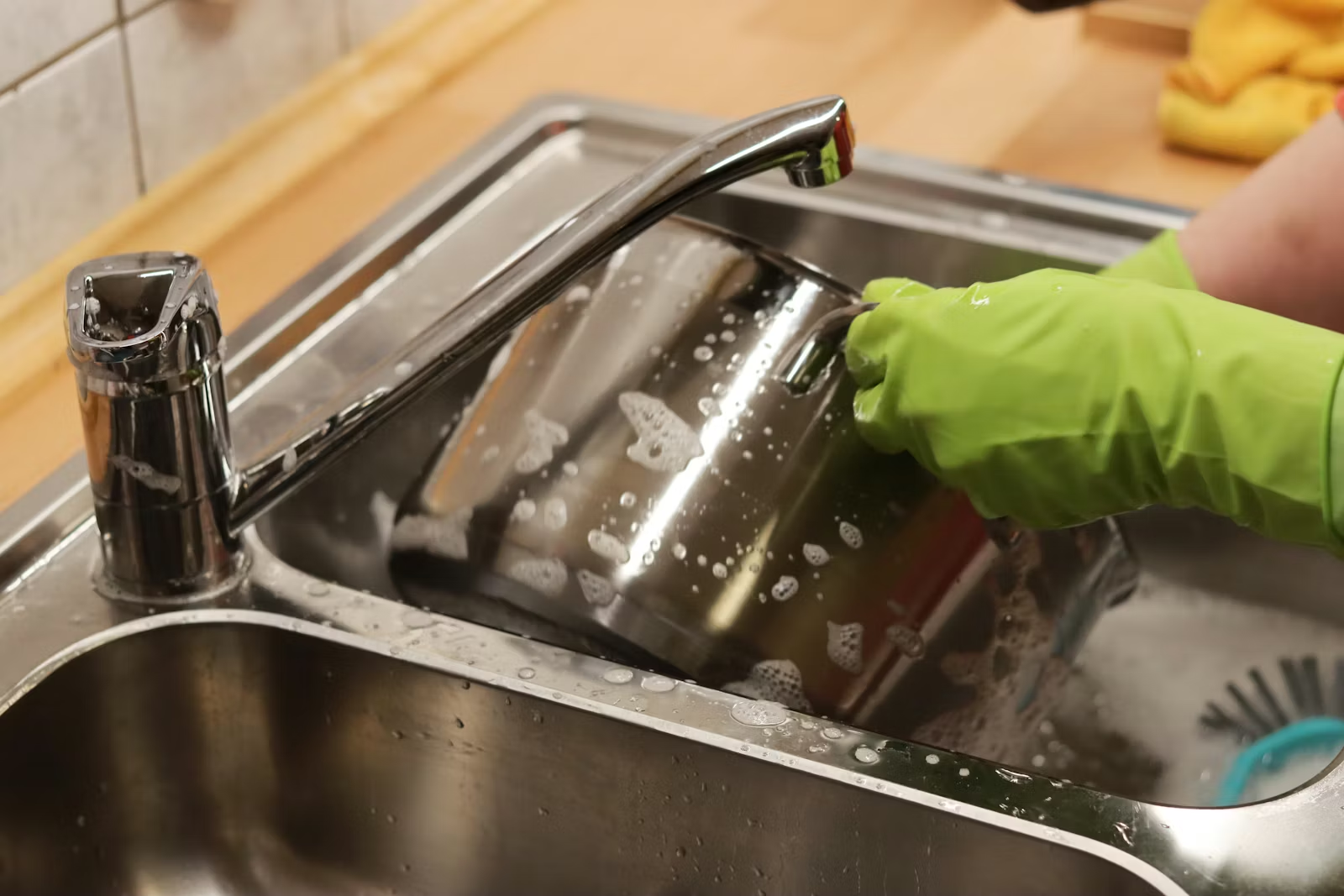
The transition from "work mode" to "home mode" is often the hardest part of the day. This is where the ritual of "washing away" comes in. Many people hate doing the dishes, but if you look at it differently, it can be very healing. Think of the warm water on your hands and the act of cleaning as a symbolic way to wash off the stress of the day. As the dirt goes down the drain, imagine your worries going with it.
You can also use the "aromatherapy" of ingredients to shift your mood. If you feel sluggish and sad, the bright, sharp scent of an orange or a lime can wake up your spirits. If you feel anxious and "buzzy," the earthy smell of rosemary or the warmth of cinnamon can help you feel more settled. The kitchen is full of these natural mood-shifters; you just have to take a second to breathe them in.
Cooking as a Form of Kindness
Finally, remember that cooking is an act of care. When you cook for others, you experience a "helper’s high." Providing nourishment for people you love creates a sense of connection and purpose that is vital for emotional health. It reminds you that you are part of a community.
But it is equally important to cook for yourself. Many people settle for a bowl of cereal or a snack over the sink when they are alone. However, taking the time to set a nice plate and cook a real meal for yourself is a powerful act of self-compassion. It tells your brain: "I am worth the effort." This simple ritual builds self-esteem and ensures that your kitchen remains a place of kindness, not just a place of work.
Your Daily Moment of Peace
You don’t need a fancy kitchen, expensive tools, or a five-course menu to find your balance. You just need to show up and be present. Every time you step into the kitchen, you have a fresh opportunity to reset your emotional temperature. Whether you are boiling an egg or roasting a chicken, let the sounds, smells, and feels of the kitchen bring you back to yourself. Your kitchen is always there, waiting to be your sanctuary.
Comments
