Categories more
- Adventures (200)
- Arts / Collectibles (316)
- Automotive (219)
- Aviation (283)
- Bath, Body & Health (514)
- Children (116)
- Cigars / Spirits (271)
- Cuisine (730)
- Design / Architecture (1117)
- Electronics (222)
- Entertainment (160)
- Event Planning (300)
- Fashion (550)
- Finance (197)
- Gifts / Misc (141)
- Home Decor (559)
- Jewelry (395)
- Pets (91)
- Philanthropy (124)
- Real Estate (386)
- Services (227)
- Sports / Golf (219)
- Vacation / Travel (1059)
- Watches / Pens (223)
- Wines / Vines (868)
- Yachting / Boating (2855)



The Evolution of Porsche Design and Why It Still Feels Timeless

Published
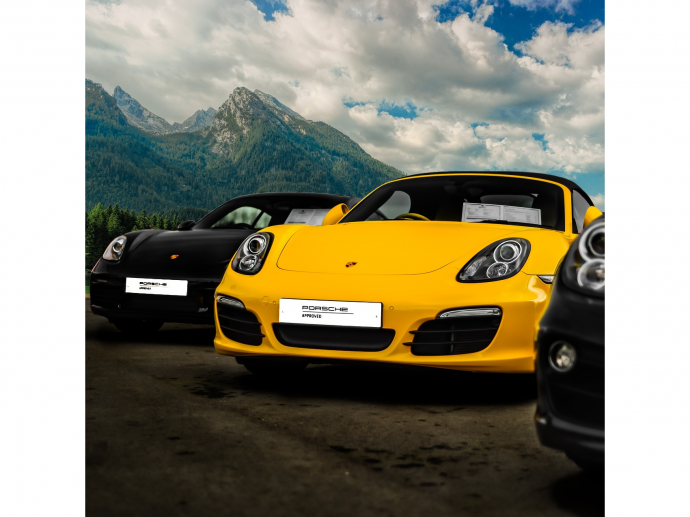
02/08/2026Few car brands are as easily recognized as a Porsche. A look at its silhouette is usually sufficient to recognize it even without a badge. Porsche has achieved a rarity in an industry where design trends shift fast. Its cars age slowly. They do not chase fashion. Instead, they mature. This sense of continuity is not accidental. It is the product of a conscious design philosophy that is founded on restraint, purpose, and long-term thinking.
Design Roots Built on Function
The design language of Porsche was influenced early by its engineering focus rather than visual drama. Since the start, it was all about balance, aerodynamics, and driver control. The back-engine design had an effect on proportions that have since become iconic. Rounded forms were not chosen for softness, but for airflow efficiency and stability at speed. These early decisions created a foundation that needed refinement, not replacement. When form is dictated by function, it rarely feels dated.
Evolution Without Reinvention
One of the most defining aspects of Porsche design is its resistance to unnecessary change. The brand refines rather than restarts. No other model reveals this better than the 911. Although the headlights, roofline, and stance are familiar across the generations, they never stagnate. Each iteration introduces subtle adjustments. Slightly wider bodies. Sharper lighting signatures. Improved aerodynamics. The result is evolution that feels natural, not forced. Owners appreciate this continuity, especially those researching how to sell a Porsche 911 and realizing that older models still look relevant beside new ones.
Purpose Shapes Aesthetics
Porsche’s design team has long followed a principle that aesthetics should emerge from necessity. Cooling intakes exist because engines demand them. Rear spoilers rise because stability requires them. This approach creates visual honesty. It also justifies the reason why Porsche models appear relaxed instead of fierce. Other brands emphasize the lines to look sporty, Porsche lets performance do the talking through form and proportion.
Modern Design Without Excess
Today’s Porsche vehicles incorporate advanced materials, digital interfaces, and lighting technology. Yet they avoid excess. Interiors remain driver-focused, with controls positioned for intuitive use rather than visual impact. Screens are integrated carefully, not layered for effect. Exterior updates are precise.
While the brand is moving to carbon neutrality, the visual identity is preserved. Sustainability efforts affect materials and the manufacturing process, rather than the identifiable shape that makes up the brand. Progress happens behind the scenes as much as on the surface.
Design Consistency in a Rapidly Changing Market
Market pressure and short product cycles are heavily impacting the design of automotive products today. Many manufacturers refresh styling frequently to capture attention. Porsche takes a different path. Its design consistency brings familiarity, which fosters confidence among buyers of different generations.
This will also promote long term ownership satisfaction because the vehicles do not look outdated after just a couple of years. Porsche avoids over-styling by concentrating on proportion and refinement. This makes every new model feel a natural extension of the previous one.
Timeless Design and Ownership Value
Timeless design carries practical benefits. Cars that do not appear outdated retain value longer and inspire stronger loyalty. Owners feel confident maintaining their vehicles rather than replacing them prematurely. That mindset extends to maintenance decisions as well. Knowing the time to replace your car brakes, for example, becomes part of preserving a vehicle meant to last, not a disposable product built around short-lived styling trends.
Endnote
Porsche’s enduring design appeal comes from knowing what not to change. By respecting its origins, prioritizing function, and evolving with discipline, the brand has created vehicles that feel relevant decade after decade. Timeless design is not about standing still. It is about moving forward without losing your identity. Porsche has mastered that balance.
Comments
