Categories more
- Adventures (62)
- Arts / Collectables (14)
- Automotive (77)
- Aviation (65)
- Bath, Body, & Health (123)
- Children (6)
- Cigars / Spirits (71)
- Cuisine (66)
- Design/Architecture (22)
- Electronics (63)
- Entertainment (36)
- Event Planning (115)
- Fashion (45)
- Finance (10)
- Gifts / Misc (6)
- Home Decor (118)
- Jewelry (41)
- Pets (3)
- Philanthropy (1)
- Real Estate (16)
- Services (44)
- Sports / Golf (14)
- Vacation / Travel (85)
- Watches / Pens (33)
- Wines / Vines (34)
- Yachting / Boating (67)



The Impact of Residential EV Chargers on Urban Transportation

Published
07/29/2026Key Takeaways
- Residential EV chargers offer unmatched convenience, allowing urban EV owners to charge at home and avoid public charging delays.
- Expanding home charging infrastructure is critical to reducing urban emissions and improving air quality.
- Innovative charging solutions and policy incentives are accelerating EV adoption and grid stability across metropolitan areas.
- Companies like Green Tech Construction are leading the way in EV charger installation, making home charging accessible for more residents.
Table of Contents
- The Convenience of Home Charging
- Reducing Urban Emissions
- Enhancing Grid Stability
- Addressing Infrastructure Challenges
- Economic Implications
- Policy and Incentives
- Future Outlook
- Conclusion
The Convenience of Home Charging
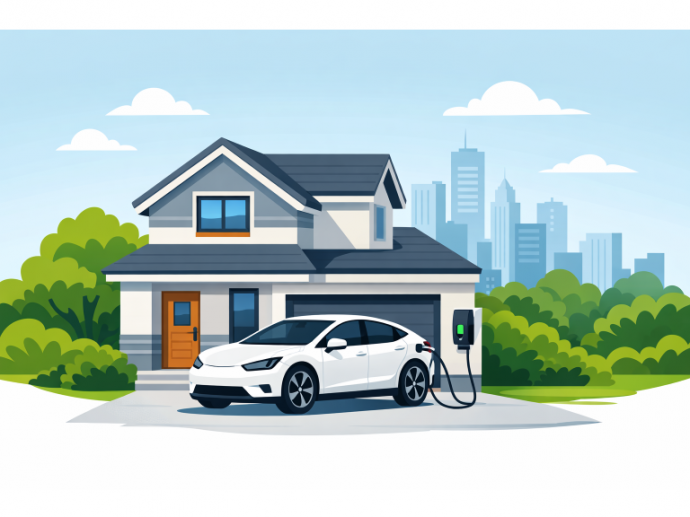
As electric vehicles become increasingly popular in urban areas, the convenience of at-home charging has emerged as a transformative benefit for city dwellers. Rather than relying on public charging infrastructure, which is often limited and in high demand, homeowners can ensure their vehicles are ready for daily commutes by simply plugging in overnight. This capability drastically reduces the “range anxiety” many EV owners face, streamlining the transition to electric mobility and supporting emission reduction goals.
For residents in cities like Chicago, having professional guidance for choosing and installing the right home charging station is essential. That is where providers like EV home charger installation Chicago from Green Tech Construction come into play. Green Tech Construction specializes in helping homeowners across the greater Chicago area assess, select, and install residential EV chargers that meet local codes, utility requirements, and future-proof needs. Their expertise and strong track record in renewable energy projects have positioned them as an authority on EV charging solutions for urban residents seeking reliable, safe, and effective charging options at home.
Reducing Urban Emissions
The positive impact of residential EV chargers extends beyond personal convenience. By making it easier to own and operate an electric vehicle, these charging stations play a significant role in reducing fossil fuel dependence and curbing harmful emissions linked to traditional transportation. Urban neighborhoods with higher concentrations of EVs experience measurable improvements in air quality, which can lower healthcare costs and create a healthier environment for all residents.
Cities are recognizing the overlap between widespread EV adoption and public health, leading to incentives and partnerships that boost local charging infrastructure. Efficient home charging makes electric vehicles a viable alternative for a broader segment of the population, thus accelerating meaningful reductions in pollution.
Enhancing Grid Stability
The evolution of residential EV charging technology now includes bidirectional systems, which not only draw power from the grid but can also return electricity during periods of high demand. Called vehicle-to-grid (V2G) technology, these solutions help smooth energy supply and demand fluctuations for utility providers, supporting a more stable and efficient electric grid. Homeowners benefit from potential energy cost savings during peak hours while contributing to a more resilient and sustainable urban infrastructure.
Innovations such as bidirectional charging are being piloted by utility companies and smart energy firms around the world, leading the way toward a future in which EVs are an integral part of home and city power grids.
Addressing Infrastructure Challenges
Not every city resident has access to a private driveway or garage suitable for traditional home charger installations. To bridge this gap, municipalities are turning to creative solutions that increase access without requiring extensive new construction. For example, in some cities, existing streetlights and utility poles are being retrofitted with Level 2 charging capabilities, providing curbside options that are both accessible and cost-effective.
Startups are also playing a crucial role in expanding urban charging availability. By leveraging public assets, cities can provide equitable charging solutions that reach apartment dwellers and others lacking dedicated parking, helping close the infrastructure gap and making EV ownership feasible for a wider range of residents. More about how cities are rolling out these creative programs can be found through sources like Axios.
Economic Implications
The shift towards home-based EV charging is not only environmentally beneficial but also economically advantageous. Increasing consumer demand for EV charging stations is cultivating new job opportunities in skilled trades, including electrical installation, manufacturing, inspection, and long-term maintenance. As these jobs are created, local economies grow and diversify.
Additionally, homeowners who switch from gasoline to electric vehicles often notice significant reductions in fuel costs, with savings reinvested in local economies. Over time, city-wide air quality improvements may also decrease public health expenditures related to pollution-driven illness, offering significant community benefits.
Policy and Incentives
The rapid expansion of EV infrastructure requires coordinated policy and support at the local, state, and federal levels. Many government bodies are offering grants, rebates, and tax incentives to make home charger installation more affordable for everyday consumers. The introduction of these programs is critical for bridging equity gaps and encouraging early adoption in communities that might otherwise be left behind.
To further address geographical and income disparities, recent announcements include substantial federal grants to expand EV charging networks in underserved and rural communities. As policy support continues to grow, more homeowners will be able to participate in the electric vehicle revolution and enjoy the benefits of at-home charging.
Future Outlook
Looking ahead, advances in EV charging technology and thoughtful urban planning are expected to make home charging even easier and more accessible. Features such as faster charging speeds, wireless charging pads, integrated smart-home energy management, and expanded public-private partnerships are on the horizon. As home charging infrastructure becomes further embedded in the fabric of urban life, cities will be better equipped to meet aggressive sustainability targets and reduce their collective carbon footprint.
The ongoing collaboration between technology providers, city governments, homeowners, and energy utilities is integral to realizing the full potential of residential EV charging. With robust support, innovative solutions, and strong leadership from industry experts, the transition to all-electric urban transportation will continue to accelerate.
Conclusion
Residential EV chargers are much more than a convenience for electric vehicle owners. They are central to reshaping urban mobility, advancing environmental goals, and spurring local economic growth. As forward-thinking companies such as Green Tech Construction continue to lead the charge in trusted EV charger installations and as cities invest in equitable, smart infrastructure, the future of urban transportation will be cleaner, greener, and more accessible to everyone.
Comments
