Categories more
- Adventures (62)
- Arts / Collectables (14)
- Automotive (77)
- Aviation (65)
- Bath, Body, & Health (123)
- Children (6)
- Cigars / Spirits (71)
- Cuisine (66)
- Design/Architecture (22)
- Electronics (63)
- Entertainment (36)
- Event Planning (115)
- Fashion (45)
- Finance (10)
- Gifts / Misc (6)
- Home Decor (118)
- Jewelry (41)
- Pets (3)
- Philanthropy (1)
- Real Estate (16)
- Services (44)
- Sports / Golf (14)
- Vacation / Travel (85)
- Watches / Pens (33)
- Wines / Vines (34)
- Yachting / Boating (67)



The Importance of Integrated HVAC and Plumbing Services

Published
08/05/2026The intricate networks of your home's HVAC and plumbing systems are more interconnected than many homeowners realize. While one manages temperature and air quality, the other controls water flow, drainage, and sanitation. Both are fundamental to a comfortable, healthy, and safe living environment. Neglecting either can lead to cascading problems, affecting everything from structural integrity to indoor air quality. Understanding this synergy is the first step towards proactive home maintenance.
Preventive maintenance for these systems is not merely a suggestion; it's a critical investment. Regular inspections and tune-ups can identify minor issues before they escalate into costly emergencies. For instance, a clogged condensate drain line in an HVAC system can lead to water damage, while an undetected plumbing leak can foster mold growth, impacting both air quality and structural components. By addressing these systems holistically, homeowners can achieve greater efficiency, extend equipment lifespan, and ensure the safety of their households.
Streamlining Home Maintenance with Combined HVAC and Plumbing Services
Opting for a service provider that offers both HVAC and plumbing solutions can significantly streamline home maintenance. This approach provides unparalleled convenience, eliminating the need to coordinate multiple contractors for different issues. Imagine a single phone call resolving both a malfunctioning air conditioner and a leaky water heater. This unified service model often translates into cost savings through bundled service packages or maintenance plans.
Beyond convenience and potential savings, working with a single, reputable provider often grants homeowners benefits like priority scheduling, especially during peak seasons or emergencies. A familiar team already understands your home's unique setup, leading to more efficient diagnostics and repairs. This single-source provider model fosters a long-term relationship built on trust and consistent quality, ensuring that your home's critical systems are always in expert hands.
How Seasonal Texas Weather Impacts HVAC and Plumbing Services
The extreme and varied weather patterns in Texas, particularly in areas like Frisco, TX, and Plano, TX, place unique demands on HVAC and plumbing systems. Summers are notoriously hot and humid, pushing air conditioning units to their limits. This constant strain can lead to increased wear and tear, higher energy consumption, and a greater risk of breakdowns. Conversely, while winters are generally mild, occasional severe cold snaps can cause pipes to freeze and burst, leading to significant water damage.
Thermal expansion and contraction, driven by these temperature fluctuations, also stress plumbing pipes and HVAC components. For plumbing, this can exacerbate existing weaknesses, leading to leaks or cracks. For HVAC, the relentless demand means that components like compressors and coils work harder, accelerating their degradation. Homeowners in Texas must prioritize robust maintenance schedules and system checks to mitigate these climate-induced challenges, ensuring their homes remain comfortable and functional year-round.
Core Heating and Air Conditioning Solutions for Texas Homes
Maintaining a comfortable indoor environment in Texas heavily relies on a well-functioning HVAC system. From the intense summer heat to the occasional winter chill, your heating and cooling units are constantly at work. Understanding the core services available can help homeowners make informed decisions about their system's health and efficiency.
Modern HVAC systems, including advanced heat pumps, are designed for energy efficiency, but they still require expert care. The U.S. Department of Energy provides comprehensive guides on home cooling and heating, emphasizing the importance of proper installation, regular maintenance, and timely repairs to maximize efficiency and extend the lifespan of your units.
Air Conditioning Maintenance and Rejuvenation
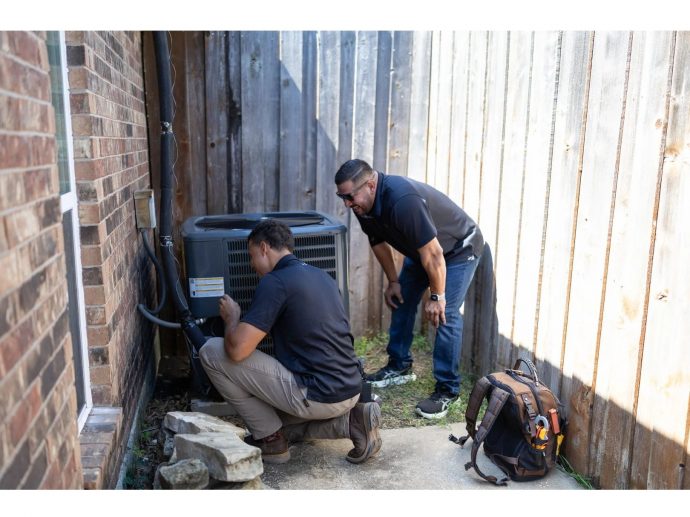
Regular air conditioning maintenance is paramount, especially in a climate like Texas. Precision tune-ups involve a thorough inspection of all components, from electrical connections to refrigerant levels. A critical aspect is coil cleaning, as dirty coils significantly reduce efficiency and increase energy consumption. Technicians also check for proper airflow, calibrate thermostats, and inspect drain lines to prevent potential water damage. These routine services are essential for maximizing system lifespan and ensuring your AC unit operates at peak performance, keeping your home cool and your energy bills manageable.
Heating System Reliability and Furnace Services
While Texas winters are often mild, a reliable heating system is crucial for those unexpected cold fronts. Furnace services typically include a comprehensive inspection of the heat exchanger for cracks or damage, which can pose carbon monoxide risks. Technicians also check the burner, ignition system, and safety controls to ensure safe and efficient operation. Regular maintenance helps prevent breakdowns during the coldest months and can extend the life of your furnace, ensuring your home remains warm when it matters most. For homeowners, preparing for winter often means a proactive check-up of their heating system.
Essential Plumbing and Water Treatment Services
Beyond temperature control, the integrity of your home's plumbing system is fundamental to daily life. From delivering fresh water to efficiently removing waste, plumbing services ensure sanitation, convenience, and health. When issues arise, prompt and professional attention is critical to prevent minor inconveniences from becoming major disasters.
Understanding the scope of available plumbing services, from routine maintenance to emergency repairs, empowers homeowners to protect their property. For a deeper dive into comprehensive residential plumbing solutions, resources are available that cover everything from basic repairs to complex system installations.
Drain Cleaning and Sewer Line Maintenance
Clogged drains and sewer line issues are among the most common and disruptive plumbing problems. Professional drain cleaning goes beyond chemical solutions, employing specialized tools like augers and hydro jetting to clear stubborn blockages caused by grease, hair, and foreign objects. Sewer camera inspections can pinpoint the exact location and nature of a blockage or damage within the sewer line, allowing for targeted and effective repairs. Regular maintenance of your drainage system is key to preventing backups and maintaining a healthy home environment. For effective solutions, particularly for tough clogs, understanding the benefits of specialized tools for drain cleaning with augers can be invaluable.
Water Heater Repair and Tankless Upgrades
Hot water is a modern necessity, and a malfunctioning water heater can quickly disrupt household routines. Services range from repairing existing units, such as replacing anode rods to prevent corrosion or flushing sediment from the tank, to installing new, more efficient models. Tankless water heaters, for instance, offer on-demand hot water and significant energy savings over traditional tank models. Deciding whether to repair or replace often depends on the unit's age, efficiency, and the cost of the repair relative to a new installation. Regular maintenance can extend the life of your water heater and ensure a consistent supply of hot water.
Maximizing Efficiency and Indoor Air Quality
A truly comfortable home is not just about temperature; it's also about the quality of the air you breathe and the overall efficiency of your systems. Integrated HVAC and plumbing services play a crucial role in achieving both, leading to a healthier living environment and lower utility bills.
Improving indoor air quality (IAQ) involves a multi-faceted approach, including advanced filtration, humidity control, and duct cleaning. Simultaneously, optimizing system efficiency through proper maintenance and smart technology reduces energy consumption and environmental impact.
Advanced Air Purification and Filtration
Indoor air can often be more polluted than outdoor air, impacting respiratory health and comfort. Advanced air purification systems, including UV lights and HEPA filters, effectively remove airborne particles, allergens, viruses, and bacteria. UV lights neutralize biological contaminants, while HEPA filters capture microscopic pollutants. Regular replacement of air filters and professional duct cleaning further contribute to a cleaner, healthier indoor environment, significantly reducing the presence of dust, pet dander, and other irritants.
Smart Home Integration and Leak Prevention
Modern technology offers powerful tools for enhancing both efficiency and safety. Smart thermostats allow for precise temperature control and energy scheduling, often learning your preferences to optimize comfort and savings. On the plumbing side, automatic shut-off valves and leak detection systems can prevent catastrophic water damage by immediately alerting homeowners to leaks and shutting off the main water supply. These smart home integrations provide peace of mind, greater control over utility costs, and enhanced protection for your property.
Choosing the Right Service Provider and Maintenance Plans
Selecting a qualified and trustworthy HVAC and plumbing service provider is one of the most important decisions a homeowner can make. The quality of service directly impacts the longevity, efficiency, and safety of your home's critical systems.
Look for professionals who demonstrate expertise, transparency, and a commitment to customer satisfaction. The right provider will not only fix immediate problems but also offer proactive solutions to prevent future issues, ensuring your home remains comfortable and functional for years to come.
What to Look for in a Professional Contractor
When seeking a reliable HVAC and plumbing contractor, several key factors should guide your decision. First, ensure the company and its technicians are fully licensed and insured, providing protection for both you and their employees. Background checks and drug testing for all technicians are also crucial indicators of a reputable company committed to safety and professionalism. Look for clear, upfront pricing with no hidden fees, and a transparent explanation of services before any work begins. Finally, check for emergency availability, as system failures rarely happen at convenient times. Certifications, such as NATE (North American Technician Excellence) for HVAC technicians, demonstrate a high level of technical proficiency and commitment to ongoing training.
The Value of Preventive Maintenance Agreements
Preventive maintenance agreements (PMAs) or service plans offer a proactive approach to home system care, providing numerous benefits. These plans typically include regular, scheduled inspections and tune-ups for both HVAC and plumbing systems, helping to identify and address minor issues before they become major, costly repairs. Benefits often include priority service, discounted rates on repairs, and waived diagnostic fees, which can lead to significant savings over time. By enrolling in a PMA, homeowners ensure their systems receive consistent, expert care, extending equipment lifespan, improving efficiency, and providing invaluable peace of mind.
Frequently Asked Questions about HVAC and Plumbing Services
Homeowners often have many questions about their HVAC and plumbing systems, from identifying problems to choosing the right professionals. Here are answers to some of the most common inquiries.
What are the most common signs that indicate I need HVAC or plumbing repair?
For HVAC, watch for weak airflow, unusual noises (grinding, banging, hissing), strange odors, uneven heating or cooling, or a sudden spike in utility bills. For plumbing, common signs include slow drains, persistent leaks (even small drips), discolored water, low water pressure, gurgling sounds from drains, or the smell of sewage. Any of these indicators warrant professional attention to prevent further damage.
How often should I schedule preventive maintenance for my HVAC and plumbing systems?
It is generally recommended to schedule HVAC maintenance twice a year—once in the spring for your AC and once in the fall for your heating system. Plumbing systems, including water heaters, should ideally receive an annual inspection and flush. This proactive approach helps catch potential issues early, maintain efficiency, and extend the lifespan of your equipment.
What should I look for when choosing a reliable HVAC and plumbing service provider?
Prioritize providers who are licensed, bonded, and insured. Look for technicians with industry certifications like NATE (North American Technician Excellence) for HVAC. Transparent pricing, a strong local reputation, positive customer reviews, and a commitment to customer satisfaction (e.g., satisfaction guarantees) are also crucial. Ask about their experience, particularly with issues relevant to your home.
What are the benefits of bundling HVAC and plumbing services or joining a maintenance plan?
Bundling services or joining a maintenance plan often provides several advantages: priority scheduling, discounted rates on services and repairs, waived diagnostic fees, and the convenience of a single point of contact for all your home's essential systems. These plans help extend equipment lifespan, improve efficiency, and offer peace of mind.
How can I improve indoor air quality alongside my HVAC and plumbing systems?
Improving indoor air quality (IAQ) involves several steps: regularly changing HVAC filters, installing air purifiers (HEPA filters, UV lights), ensuring proper ventilation, controlling humidity levels (often with whole-home humidifiers or dehumidifiers), and scheduling professional duct cleaning. Addressing plumbing leaks promptly also prevents mold and mildew growth, which impacts IAQ.
What financing or special offers are typically available for HVAC and plumbing services?
Many service providers offer flexible financing plans for major installations or repairs, allowing homeowners to spread costs over time. Seasonal discounts on tune-ups, equipment upgrades, or specific services (like drain cleaning) are also common. Some companies provide promotional offers for new customers or rebates for energy-efficient equipment. It's always wise to inquire about current specials.
When is it better to repair versus replace an HVAC system or water heater?
The decision to repair or replace often depends on the equipment's age, the cost of the repair, and its current energy efficiency. Generally, if an HVAC system is over 10-15 years old or a water heater is over 8-10 years old, and the repair cost exceeds 50% of the replacement cost, replacement is often the more economical choice due to improved efficiency and extended warranty. Frequent breakdowns also indicate it might be time for an upgrade.
What emergency services should I expect from a 24/7 HVAC and plumbing company?
A reliable 24/7 emergency service provider should be available for critical issues such as burst pipes, gas leaks, complete AC failure during extreme heat, furnace malfunctions in freezing temperatures, or severe sewer backups. They should offer rapid response times and be equipped to provide immediate solutions to mitigate damage and restore essential home functions.
How do seasonal changes in Northern Virginia affect HVAC and plumbing performance?
In Northern Virginia, extreme seasonal changes, including high summer humidity and freezing winter temperatures, significantly impact home systems. High humidity strains AC units and can lead to mold issues, while freezing temperatures can cause pipes to burst if not properly insulated. These conditions necessitate robust HVAC and plumbing systems and diligent maintenance to ensure optimal performance and prevent costly damage.
What certifications or guarantees should I look for in HVAC technicians and plumbers?
For HVAC, look for NATE (North American Technician Excellence) certification, which signifies a high level of expertise. EPA certification is also important for technicians handling refrigerants. For plumbers, state licensing is mandatory and ensures they meet professional standards. Reputable companies often provide satisfaction guarantees on their work, offering assurance and accountability.
Conclusion
The comfort, safety, and efficiency of your home are inextricably linked to the health of its HVAC and plumbing systems. From the consistent warmth of your heating to the reliable flow of clean water, these essential services underpin daily life. Proactive maintenance, timely repairs, and informed decisions about upgrades are not just expenses but vital investments in your property and well-being.
By understanding the signs of trouble, adhering to recommended maintenance schedules, and choosing a reputable service provider, homeowners can ensure peace of mind. Regular professional care helps prevent emergencies, extends the lifespan of your equipment, and maintains a healthy, comfortable living environment. For expert advice and reliable service, contact our professional HVAC and plumbing technicians at [Company Name].
Comments
