Categories more
- Adventures (199)
- Arts / Collectibles (315)
- Automotive (219)
- Aviation (279)
- Bath, Body & Health (513)
- Children (116)
- Cigars / Spirits (271)
- Cuisine (723)
- Design / Architecture (1117)
- Electronics (222)
- Entertainment (162)
- Event Planning (296)
- Fashion (550)
- Finance (195)
- Gifts / Misc (141)
- Home Decor (558)
- Jewelry (395)
- Pets (91)
- Philanthropy (124)
- Real Estate (386)
- Services (221)
- Sports / Golf (213)
- Vacation / Travel (1036)
- Watches / Pens (222)
- Wines / Vines (861)
- Yachting / Boating (3367)


The New Approach to Wellness and Modern Lifestyle Experiences

Published
10/20/2026When's the last time you left the gym feeling like something was still missing from your health routine? You're not alone. These days, you're probably noticing more people talking about recovery sessions at minus-200 degrees, plant-based remedies their doctors actually approve of, and wellness routines that look nothing like the one-size-fits-all advice from a decade ago. This shift represents how we're fundamentally rethinking what it means to feel our best in daily life.
Understanding the Integrated Wellness Movement
The modern wellness landscape combines cutting-edge technology with natural remedies, creating a diverse toolkit for personal health management. This approach recognizes that effective wellness isn't one-size-fits-all, focusing on prevention and optimization rather than merely treating symptoms. You're investing time and resources into maintaining your health proactively, which often leads to better long-term outcomes and improved quality of life.
Recovery Technologies Gaining Mainstream Acceptance
Athletic recovery methods once reserved for professional sports teams have become accessible to everyday wellness enthusiasts. Technologies like whole-body cryotherapy expose the body to extremely cold temperatures for short periods, triggering natural healing responses. Local options like cryotherapy in Jackson, MS have made specialized recovery treatments available in your community rather than exclusively in major metropolitan areas or elite training facilities.
These recovery modalities work by reducing inflammation, improving circulation, and potentially enhancing metabolic function.
The growing body of research supporting these methods has helped move them from fringe experiments to legitimate wellness tools. According to the National Center for Complementary and Integrative Health, Americans are increasingly combining conventional healthcare with complementary approaches to achieve optimal wellness outcomes.
The Science Behind Cold Therapy
Cold exposure therapy operates on principles that have been understood for centuries but are now being refined with modern technology. When your body experiences extreme cold, it responds by constricting blood vessels and then dilating them once warmth returns. This process can help flush metabolic waste from tissues and deliver oxygen-rich blood to muscles and organs.
Many users report specific improvements within 2-4 weeks of regular sessions: waking up fewer times during the night, noticing significantly less soreness 24 hours after intense workouts, and experiencing sharper focus during afternoon work hours. While individual results vary, the growing popularity of these treatments reflects a broader willingness to experiment with evidence-based alternative approaches to wellness.
Plant-Based Wellness and Alternative Medicine
The conversation around plant-based remedies has matured significantly as research expands and regulations evolve. Cannabis, in particular, has transitioned from a controversial substance to a wellness product with documented health benefits. People use various cannabis products to address chronic pain, sleep disturbances, anxiety, and other health concerns.
Quality and education have become paramount in this space. Reputable establishments like a cannabis dispensary in Jackson provide not just products but also guidance on appropriate usage, dosing, and strain selection based on desired outcomes. This educational component helps you make informed decisions about incorporating cannabis into your wellness routine.
The World Health Organization has published extensive research on cannabis compounds, particularly CBD and THC, examining their potential health benefits and how safe they are for different populations. This type of authoritative research helps legitimize plant-based wellness approaches and provides consumers with reliable information.
Personalization in Plant-Based Therapies
Different cannabis strains and consumption methods produce varying effects, which means personalization is crucial. Some individuals prefer products high in CBD with minimal THC for daytime use without psychoactive effects, while others find value in balanced ratios for evening relaxation. Topical applications offer localized relief without systemic effects, expanding the utility of plant-based therapies.
This customization lets you fine-tune your wellness protocols based on your specific needs, lifestyle constraints, and personal preferences. The key is working with knowledgeable professionals who can guide product selection and usage strategies.
Mindfulness and Mental Wellness Integration
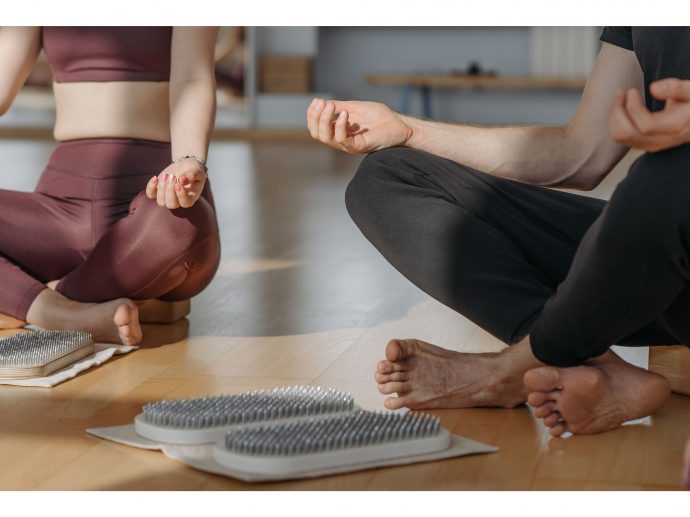
Physical wellness treatments achieve maximum effectiveness when paired with mental and emotional health practices. Mindfulness meditation, breathwork, and stress management techniques complement physical therapies by addressing the psychological components of well-being.
Many wellness facilities now offer integrated programs that combine physical treatments with guided meditation sessions or stress reduction coaching. This holistic approach recognizes the interconnected nature of physical and mental health.
Regular mindfulness practice has been shown to reduce cortisol levels, improve emotional regulation, and enhance overall life satisfaction. When combined with physical recovery modalities, these practices create a comprehensive wellness strategy that addresses multiple aspects of health simultaneously.
Creating Your Personal Wellness Protocol
Building an effective wellness routine requires experimentation, patience, and honest self-assessment. Start by identifying your primary health goals, whether they involve pain management, athletic performance, stress reduction, or general health optimization.
Consider these steps when developing your approach:
- Research available modalities in your area and their potential benefits
- Consult with healthcare providers about integrating new treatments with existing care
- Start with one or two new practices rather than overhauling your entire routine
- Track your experiences and outcomes to identify what works best for you
- Adjust your protocol based on results and changing needs
Remember that wellness isn't a destination but an ongoing practice. What works perfectly for one season of life may need adjustment as circumstances change.
The Community Aspect of Modern Wellness
Wellness experiences often provide social benefits alongside physical ones. Group classes, recovery sessions, and wellness workshops create opportunities to connect with like-minded individuals who share similar health goals. Picture a Sunday morning contrast therapy session where you're alternating between cold plunge and sauna with five other people, swapping stories about sleep improvements and comparing notes on recovery protocols between rounds. This community support can enhance motivation and accountability while making the wellness journey more enjoyable.
Many people find that discussing their experiences with others helps them discover new approaches they might not have considered independently. The collective wisdom of a wellness community often exceeds what any individual could learn alone.
Moving Forward with Intentional Wellness
You've got more tools available now than ever before to take control of your health. The question isn't whether you should explore these options, but which ones align with your specific needs and lifestyle. Start with one practice that addresses your most pressing health concern. Try it consistently for a month. Pay attention to how you actually feel, not how you think you should feel.
The best wellness protocol is the one you'll actually stick with. As research continues and new modalities emerge, you'll have even more opportunities to refine your approach and discover what genuinely makes you feel your best.
Comments
