Categories more
- Adventures (179)
- Arts / Collectables (238)
- Automotive (190)
- Aviation (259)
- Bath, Body, & Health (447)
- Children (88)
- Cigars / Spirits (225)
- Cuisine (602)
- Design/Architecture (646)
- Electronics (200)
- Entertainment (139)
- Event Planning (271)
- Fashion (450)
- Finance (148)
- Gifts / Misc (115)
- Home Decor (453)
- Jewelry (283)
- Pets (72)
- Philanthropy (92)
- Real Estate (313)
- Services (199)
- Sports / Golf (184)
- Vacation / Travel (920)
- Watches / Pens (187)
- Wines / Vines (717)
- Yachting / Boating (240)



The Price of Overlooked Safety on Modern Construction Grounds

Published
04/22/2026A construction site rarely looks unsafe at first glance.
Steel frames rise, workers move with rhythm, and every corner feels active and controlled, yet safety gaps often sit quietly inside this movement. The pressure to finish faster and build bigger has slowly changed how safety is treated on modern grounds, sometimes as a formality instead of a daily habit. This silent shift is where trouble usually begins, and it is also where the most common construction accidents tend to grow unnoticed.
This blog takes a closer look at what gets ignored on site and what those small gaps eventually cost in real situations.
Modern Construction Pressure and Changing Work Culture
Modern construction has become a race against time, budget limits, and expanding project sizes, and this constant pressure shapes how work gets done on site. Deadlines are tighter than before, and teams often work across multiple layers of contractors, which makes coordination harder than it looks on paper.
In this environment, safety can quietly lose attention, not because it is unimportant, but because speed often takes the front seat during planning and execution. Workers adjust to fast instructions, quick fixes, and repeated tasks that leave little room for pause or double-checking. Over time, this rhythm becomes normal, even when it carries a risk that should not be ignored.
Small Safety Gaps That Grow Into Serious Risk
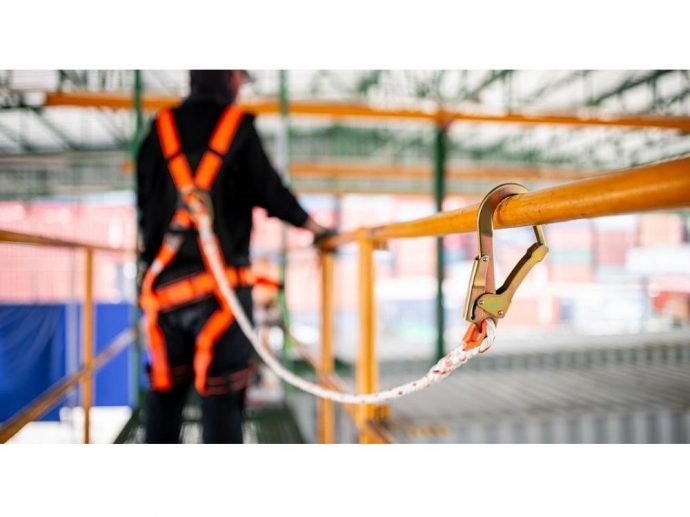
Most site issues do not begin as large problems. They usually start with small oversights that seem harmless at the moment but slowly build into unsafe conditions. A missing guardrail on a scaffold, a loose cable left across a walkway, or worn-out safety gear may not stop work immediately, but they change how safe the space actually is. These small gaps are often repeated or ignored because work still continues without visible interruption. On busy sites, attention moves quickly from one task to another, and safety checks sometimes lose their place in the routine. Over time, these minor lapses combine and create situations that become difficult to control once something goes wrong.
Most Common Construction Accidents That Shape Risk Patterns
On many work sites, patterns of accidents repeat across different projects, showing that the same safety gaps continue to appear. These incidents are often linked to working at height, moving machinery, electrical exposure, and unstable structures, all of which require strict attention every day. Falls from scaffolding, being struck by equipment, and getting caught in machinery are among the most reported problems in construction environments. These situations do not usually happen without warning signs, yet those signs are often missed during fast-paced work.
The most common construction accidents continue to highlight how easily safety steps are skipped under pressure, especially when routine tasks feel familiar and less risky than they actually are.
Responsibility Gaps and Communication Breakdowns on Site
Construction sites involve many people working together, from contractors and supervisors to multiple subcontracted teams, and this shared structure often creates confusion around responsibility. Safety instructions may be given clearly, but follow-through does not always stay consistent across all teams.
Communication gaps appear when instructions are passed quickly or when teams assume others are handling safety checks. In some cases, responsibilities overlap without clear ownership, which leads to small tasks being missed. When accountability becomes unclear, safety practices tend to weaken, not because people ignore them, but because coordination is not always strong enough to hold them in place.
Safety Standards That Exist but Are Not Fully Followed
Safety rules on construction grounds are well documented and widely known, yet real site conditions do not always reflect them fully. Protective gear is available, inspection routines are planned, and equipment guidelines are written into project requirements, but execution often depends on time and pressure.
When work speeds up, some checks are shortened or skipped, and protective steps may not be followed as strictly as intended. This gap between written standards and daily practice is where risk begins to grow quietly. Even simple steps like proper signage or secured platforms make a difference, but they require consistent attention that is not always maintained throughout the project cycle.
Oversight Turns Into Legal Scrutiny
Once an incident occurs on a construction site, attention quickly shifts toward how safety was managed and whether required steps were followed properly. Investigations often focus on site conditions, supervision records, and whether basic safety procedures were in place at the time.
Responsibility may extend across different parties depending on how the work was structured and monitored. Legal review typically examines whether safety systems were actively followed or only formally documented. This stage highlights the importance of maintaining clear records and consistent safety practice, since gaps that seemed small during work can become critical points during review.
Closing Reflection
Construction progress often stands as a sign of growth and development, but that progress depends heavily on how carefully each step is managed on the ground level. Safety is not a separate layer added at the end of work; it is part of every action that takes place during construction.
When attention shifts away from it, even slightly, the structure being built carries more than just material weight. It carries risk shaped by overlooked moments. Keeping focus steady on safety is not about slowing work; it is about ensuring that every stage of building remains controlled, stable, and reliable from start to finish.
Comments
