Categories more
- Adventures (62)
- Arts / Collectables (14)
- Automotive (77)
- Aviation (65)
- Bath, Body, & Health (123)
- Children (6)
- Cigars / Spirits (71)
- Cuisine (66)
- Design/Architecture (22)
- Electronics (63)
- Entertainment (36)
- Event Planning (115)
- Fashion (45)
- Finance (10)
- Gifts / Misc (6)
- Home Decor (118)
- Jewelry (41)
- Pets (3)
- Philanthropy (1)
- Real Estate (16)
- Services (44)
- Sports / Golf (14)
- Vacation / Travel (85)
- Watches / Pens (33)
- Wines / Vines (34)
- Yachting / Boating (67)



The Smart Way to Ship Your Car: How to Save Time and Money on Auto Transport

Published
05/18/2026There is a version of car shipping that goes smoothly – where the carrier shows up on time, the car arrives in perfect condition, and the price matches the quote you received at booking. And there is another version where the estimate changes after you have already committed, the pickup window keeps shifting, and the car arrives three days later than promised. The difference between those two experiences is almost never luck. It is almost always preparation – knowing how the market works, what questions to ask, and how to identify a provider who will actually deliver on what they promise.
Auto transport has become one of the most practical tools available to anyone moving between cities, purchasing a vehicle remotely, or simply trying to avoid putting unnecessary miles on a car they value. The industry moves millions of vehicles every year across every corridor in the United States, and for the most part it works well. But it works best for customers who understand it – and worst for those who approach it with no context and sort their options by price alone.
This guide covers the smart approach to car shipping: how to understand the market, where the real savings come from, and how to choose a provider who gives you both.
How the Auto Transport Market Actually Works
Most people assume that car shipping is a straightforward service with relatively standard pricing. In reality, it is a dynamic freight market where rates shift daily based on supply and demand across thousands of individual routes. A carrier running a trailer from Miami to Seattle has a finite number of slots on that trailer. If demand on that corridor is high, prices go up. If a driver needs to fill the last spot before departing, prices come down – sometimes significantly.
This supply-and-demand dynamic means that two customers shipping identical vehicles between the same two cities in the same week can receive quotes that differ by hundreds of dollars. One booked three weeks in advance during a slow period. The other called two days before peak season. Same service, very different price. Understanding this fundamental market structure is the first step toward navigating it intelligently rather than reactively.
The industry also operates through two distinct types of companies: brokers and carriers. Carriers own and operate the actual trucks. Brokers are intermediaries who connect customers with available drivers – they do not own trucks themselves but maintain networks of licensed carriers and use those networks to find competitive rates on your specific route. Most customers end up working with a broker, which is not inherently a disadvantage. A good broker with a large carrier network can often produce better pricing than going directly to a single carrier, because they are shopping your shipment competitively across dozens or hundreds of drivers.
Where the Real Savings Come From
The most common mistake people make when trying to save money on car shipping is focusing exclusively on the quoted price. The quoted price is one variable in a much larger equation, and optimizing for it alone frequently produces the opposite of savings.
The genuine savings in auto transport come from four sources: timing, flexibility, transport type, and provider selection.
Timing is one of the most powerful levers available to any customer. The auto transport market has predictable peak periods – early summer, when families time moves around the school calendar, and the fall and spring snowbird migration, when retirees move vehicles between northern and southern states. During these periods, carrier capacity tightens and prices rise. Scheduling your shipment during shoulder periods – mid-fall and late winter – can produce meaningful cost reductions on the same route with the same service level. If you have any flexibility in your timeline, use it.
Flexibility on pickup dates gives carriers something valuable: the ability to slot your vehicle into an existing route that already has open space. Carriers hate running with empty spots on a trailer, and a customer who can provide a five to seven day pickup window rather than a specific date is a much easier booking to fill efficiently. Many providers will offer better pricing in exchange for that flexibility, because it reduces their operational cost on your shipment.
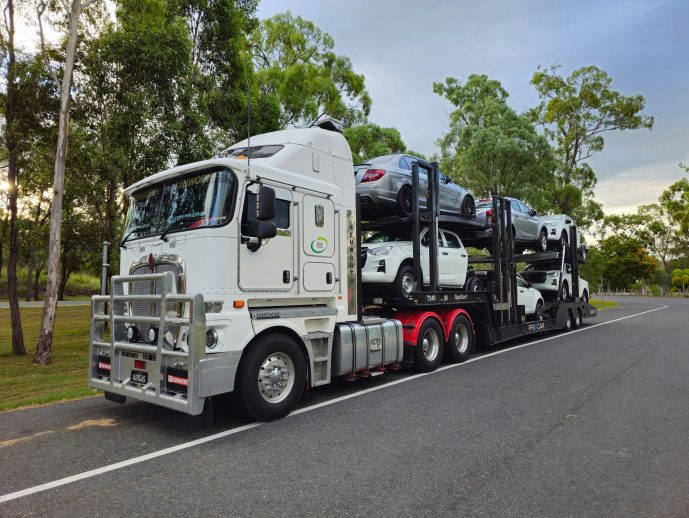
Transport type is a straightforward decision for most vehicles. Open transport – the large multi-car carriers you see hauling vehicles on the interstate – is the industry standard and the most affordable option. Your vehicle is exposed to weather and road debris during transit, but the overwhelming majority of cars arrive without any issues whatsoever. The premium for enclosed transport runs between 40% and 60% above open rates and is justified primarily for luxury vehicles, classic cars, or collector items where cosmetic protection during transit warrants the additional cost. For any standard daily driver, open transport is the smart economic choice.
Provider selection is where many customers leave the most money on the table – not by paying too much, but by paying too little for a provider who cannot actually deliver. The bait-and-switch pattern is well documented in this industry: a company quotes an unrealistically low price to secure a deposit, then returns days later claiming they cannot find a driver at that rate and requesting additional payment. Customers who chose the lowest quote now face a choice between paying more or starting the process over with a new provider under time pressure. The true cost of that transaction almost always exceeds what a reliable mid-range provider would have charged from the start.
How to Evaluate Providers Without Wasting Time
The practical process of finding a good provider does not need to be complicated, but it does require more than sorting a list of quotes by price and picking the lowest number.
Start by using Compare The Carrier auto transport to get a realistic baseline for your route and vehicle before you begin speaking with individual providers. Having an accurate cost range in hand before you start collecting quotes gives you context for evaluating what you receive – you will immediately recognize quotes that are unrealistically low and understand why mid-range quotes represent genuine value.
Once you have a baseline, verify every provider you are seriously considering by looking up their MC Number on the Federal Motor Carrier Safety Administration website. This free check confirms that the company is legally authorized to operate and carries current cargo insurance. It takes less than two minutes and eliminates a significant category of risk. Any legitimate provider will supply their MC Number without hesitation – reluctance to share it is a clear signal to move on.
Ask each provider a specific set of questions before committing. Is the quoted price guaranteed or an estimate? What does the cargo insurance cover, and what is the per-vehicle limit? What is the pickup window, and what happens if the carrier cannot meet it? What is the process for filing a damage claim if something goes wrong during transit? A provider who answers these questions clearly, completely, and without hesitation is demonstrating the kind of operational transparency that predicts a smooth experience. A provider who deflects, gives vague answers, or becomes evasive under direct questioning is showing you exactly what working with them will be like.
Read independent reviews on the Better Business Bureau, Trustpilot, and Google before finalizing any decision. Look for patterns across a substantial review history rather than reacting to individual data points. Consistent communication, on-time delivery, and professional handling of problems are the markers of a provider worth trusting. Collect three to five detailed quotes, compare them on all of these dimensions together, and make a decision based on the complete picture rather than the headline number alone.
Preparing Your Vehicle to Protect Your Investment
Once you have chosen a provider and confirmed your booking, proper preparation ensures that your vehicle arrives in exactly the condition it left. This step takes less than an hour and can prevent complications that would take far longer to resolve.
Clean the vehicle thoroughly before the carrier arrives. A clean exterior makes it straightforward to document any pre-existing scratches, chips, or dents during the pickup inspection, reducing the possibility of any dispute about when damage occurred. Remove all personal belongings from the interior – most carriers are not licensed to transport personal property, and items left in the vehicle can shift during transit and cause interior damage.
Keep the fuel tank at approximately a quarter full. This gives the driver enough fuel to load and unload the vehicle without adding unnecessary weight to the shipment. Disable any automatic alarms that could trigger during transit, and retract or remove any external accessories – antennas, roof racks, bike carriers – that could be damaged at highway speeds on an open carrier.
Take high-resolution, time-stamped photographs of the entire exterior before handoff. Review the Bill of Lading carefully with the driver at pickup and ensure every pre-existing imperfection is accurately recorded before you sign. These photographs and this document are your primary protection in the event that a damage claim becomes necessary at delivery. Inspect the vehicle thoroughly at delivery before signing the final Bill of Lading, and note any new damage on the document before releasing the carrier.
The Bottom Line on Smart Auto Transport
Saving money on car shipping and getting reliable service are not competing goals – they are both products of the same approach. Understanding the market, timing your shipment intelligently, choosing the right transport type for your vehicle, and selecting a provider based on verified credentials and a proven track record rather than the lowest available quote will consistently produce better outcomes than any alternative strategy.
The customers who have the smoothest experiences with affordable car shipping are not the ones who found the cheapest option. They are the ones who did the research, asked the right questions, and made decisions based on value rather than price alone. That approach costs nothing extra and pays dividends every time.
Comments
