Categories more
- Adventures (117)
- Arts / Collectables (50)
- Automotive (110)
- Aviation (126)
- Bath, Body, & Health (275)
- Children (63)
- Cigars / Spirits (129)
- Cuisine (231)
- Design/Architecture (98)
- Electronics (98)
- Entertainment (56)
- Event Planning (144)
- Fashion (186)
- Finance (19)
- Gifts / Misc (54)
- Home Decor (224)
- Jewelry (153)
- Pets (34)
- Philanthropy (7)
- Real Estate (125)
- Services (79)
- Sports / Golf (59)
- Vacation / Travel (506)
- Watches / Pens (108)
- Wines / Vines (293)
- Yachting / Boating (143)


The Value of Personalized Jewelry Design Services

Published
08/30/2026Navigating Stone Carat Weights with Personalized Jewelry Design
Choosing the perfect centerpiece for a piece of jewelry, especially an engagement ring, is a deeply personal decision. It's about more than just selecting a beautiful stone; it's about creating a symbol that truly reflects individual style and vision. For many, the allure of a 1 carat diamond is strong, representing a significant milestone. But what does '1 carat size' truly convey when it comes to a diamond's visual presence?
We understand that the physical weight of a diamond, measured in carats, is just one part of its story. Factors like its actual millimeter dimensions, precise cut quality, and even the chosen setting can dramatically alter how large a stone appears on the finger. This is precisely where the expertise of personalized jewelry design services becomes invaluable.
In this comprehensive guide, we will explore the nuances of the 1 carat diamond. We will clarify its meaning in terms of weight and physical size. We will also examine how different cuts and shapes—from classic rounds to elegant ovals—impact its perceived dimensions. Furthermore, we will show how various setting styles can enhance its visual presence. Our aim is to empower you with the knowledge to make informed decisions, ensuring your custom piece perfectly embodies your dream.
The journey of selecting a diamond often begins with carat weight, a fundamental metric that, while crucial, is frequently misunderstood. Carat is a unit of weight, not size, with one carat equivalent to 0.2 grams, or 200 milligrams. This distinction is vital, especially when considering the rarity and market valuation of larger stones. The price per carat escalates significantly as diamonds increase in weight, primarily due to their inherent rarity. For instance, a 1 carat diamond commands a substantially higher price per carat than a 0.5 carat diamond, reflecting the fact that only about 1 in 1 million mined diamonds reaches or exceeds the 1 carat mark. This scarcity directly impacts pricing factors and overall market valuation. Understanding this relationship is a cornerstone of informed personalized jewelry design, allowing us to guide clients toward choices that balance their aesthetic desires with their budget.
When envisioning a 1 carat diamond, it's easy to assume a singular visual appearance. However, the reality is far more nuanced. While the weight is fixed, the way this weight is distributed within the diamond, influenced by its shape and cut, dictates its visual spread and perceived size. This is where personalized design truly shines, as we can help you navigate these subtleties to achieve your desired look.
Here’s a general overview of how different diamond shapes typically translate their 1 carat weight into visible dimensions:

Table 1: Typical Dimensions (Length x Width) for 1 Carat Diamond Shapes
Diamond Shape Typical Dimensions (mm) Visual Spread (Relative) Round Brilliant 6.5 x 6.5 Moderate Princess 5.5 x 5.5 Moderate Emerald 7.0 x 5.0 Good (Elongated) Oval 8.0 x 5.5 Excellent (Elongated) Pear 8.0 x 5.0 Excellent (Elongated) Marquise 10.0 x 5.0 Excellent (Elongated) Cushion 6.0 x 6.0 Moderate Asscher 5.5 x 5.5 Moderate Radiant 6.5 x 5.5 Good Understanding 1 Carat Weight and Millimeter Dimensions in Personalized Jewelry Design
As established, a 1 carat diamond consistently weighs 0.2 grams (or 200 milligrams). However, this specific weight translates into varying physical dimensions depending on the diamond's shape and how its facets are cut. For the ever-popular round brilliant diamond, a 1 carat stone typically measures approximately 6.5 mm in diameter. This 6.5 mm measurement is a crucial benchmark, providing a tangible reference point for its visual spread.
For other shapes, the distribution of this 0.2-gram weight differs significantly. An oval or marquise cut, for instance, will often have a larger surface area (or "visual spread") in millimeters compared to a round brilliant of the same carat weight, because its weight is distributed over a longer, narrower profile. Conversely, a princess or cushion cut might have a slightly smaller face-up dimension than a round, as more of its weight is carried in its depth. Understanding these specific millimeter dimensions is paramount in personalized jewelry design, as it allows us to precisely visualize how a stone will sit on the hand and interact with its chosen setting, ensuring the final piece meets your exact expectations for perceived size and elegance.
Comparative Carat Perception Across Different Hand Shapes
The visual impact of a 1 carat diamond is not solely determined by its intrinsic properties; it's also profoundly influenced by the wearer's finger proportions and hand shape. A 1 carat stone that appears substantial on a slender finger might look perfectly proportionate on an average-sized hand, and perhaps slightly less dominant on a larger hand. This interplay between the diamond's size and the wearer's anatomy is a key consideration in our personalized design consultations.
For those with smaller hands or slender fingers, a 1 carat diamond often presents a bold and prominent statement. On average-sized hands, it tends to strike a beautiful balance, offering noticeable sparkle without overwhelming the finger. For individuals with larger hands or longer fingers, a 1 carat diamond can still be stunning, but they might also consider slightly larger alternatives like a 1.25 or 1.5 carat diamond if they desire a more pronounced presence.
It's also worth noting how a 1 carat diamond compares to other popular carat weights. A 0.5 carat diamond, for example, typically measures around 5.1 mm in diameter for a round cut, making a 1 carat stone appear significantly larger, not just twice the weight. A 0.75 carat round diamond measures approximately 5.8 mm. The jump from 0.75 to 1 carat, while seemingly small in weight, offers a noticeable increase in visual spread that many find appealing. Conversely, a 1.5 carat round diamond measures about 7.4 mm, providing an even more substantial look. Exploring these distinctions can help you pinpoint the perfect scale for your unique hand. For those interested in understanding how even larger diamonds, like a 2 carat stone, translate into visual dimensions and overall impact, further resources on fine custom made jewelry can provide valuable insights into selecting the perfect size for your bespoke piece.
How Diamond Shape and Cut Quality Influence Visual Impact
Beyond carat weight, the shape and, critically, the cut quality of a diamond are paramount in determining its visual impact, perceived size, and overall brilliance. While a 1 carat diamond always weighs the same, its external appearance can vary dramatically based on these factors. This is where the artistry of personalized jewelry design truly comes into play, allowing us to optimize for maximum visual appeal.
The choice of diamond shape—whether a classic round, an elegant oval, or a sophisticated emerald—fundamentally alters how the 1 carat weight is distributed and, consequently, how large the stone appears face-up. Furthermore, the precision of a diamond's cut is arguably the most important of the 4Cs (Carat, Cut, Color, Clarity) for its aesthetic performance. An expertly cut diamond maximizes light performance, ensuring that even a 1 carat stone exhibits exceptional sparkle and fire, often making it appear larger and more vibrant than a poorly cut diamond of the same weight. We focus on cut precision to unlock the diamond's full potential, transforming raw weight into breathtaking brilliance.
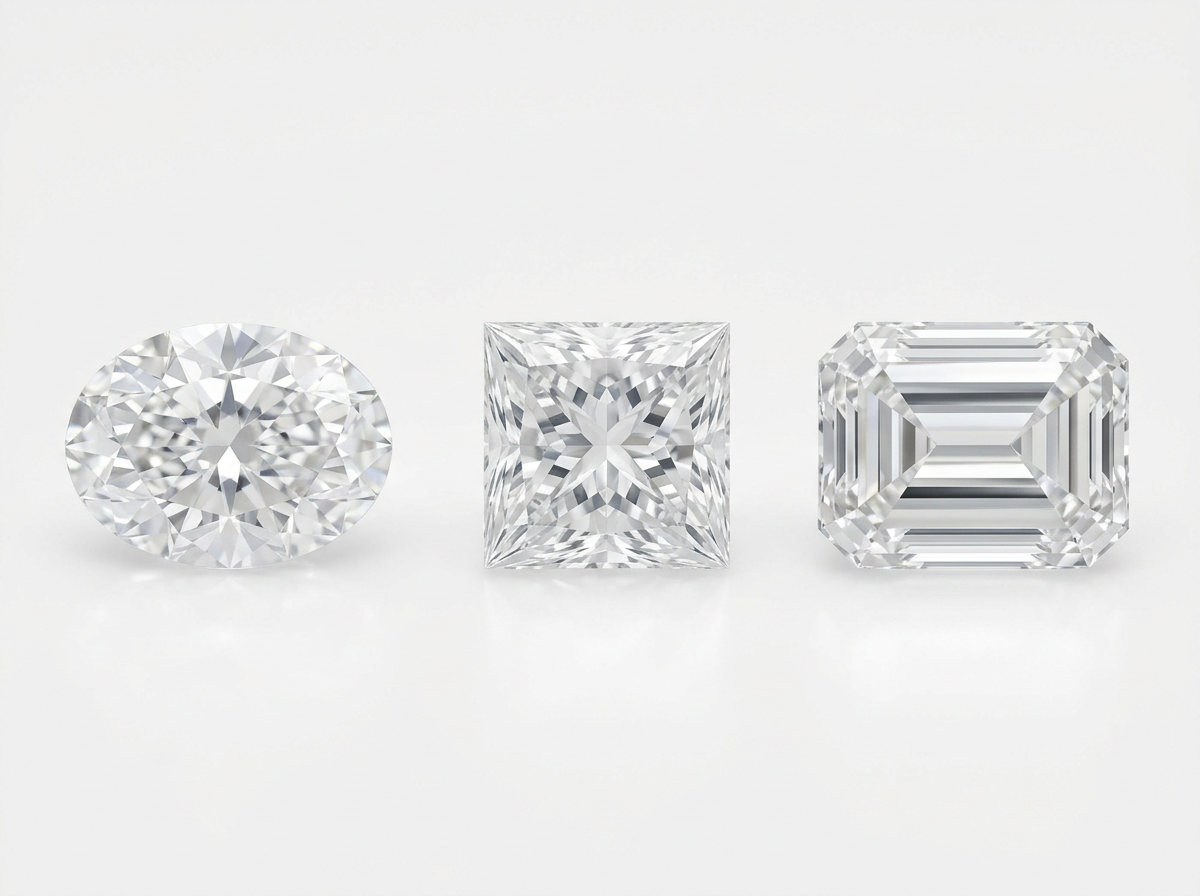
Figure 1: Visualizing 1 Carat Oval, Princess, and Emerald Cuts
Comparing Oval, Princess, and Emerald Cuts to Round Diamonds
When discussing a 1 carat diamond, the round brilliant is often the default image that comes to mind, known for its unparalleled brilliance. However, "fancy shapes" offer distinct aesthetic advantages, particularly in how they can influence the perceived size of a 1 carat stone.
Oval Cut: A 1 carat oval diamond, with its elongated form, typically measures around 8.0 x 5.5 mm. This extended length gives it a significantly larger surface area compared to a 1 carat round brilliant (6.5 x 6.5 mm), creating an illusion of greater size. The oval's gentle curves also tend to make fingers appear longer and more slender, adding to its appeal. Its length-to-width ratio is a key factor here, with ratios between 1.3 to 1.5 often considered ideal for a balanced, elegant look.
Princess Cut: A 1 carat princess cut diamond, square in shape, usually measures about 5.5 x 5.5 mm. While its face-up dimensions are slightly smaller than a round brilliant of the same weight, its sharp, angular corners and brilliant faceting pattern give it a bold, contemporary presence. The princess cut carries more of its weight in its depth, which can reduce its visual spread compared to elongated shapes, but its intense sparkle compensates effectively.
Emerald Cut: A 1 carat emerald cut diamond, characterized by its rectangular shape and step facets, typically measures around 7.0 x 5.0 mm. Like the oval, its elongated form contributes to a larger perceived size than a round brilliant, making the finger appear longer. The emerald cut's unique faceting creates a "hall of mirrors" effect rather than fiery brilliance, emphasizing clarity and transparency. Its larger table percentage (the flat top facet) also contributes to its open, expansive look.
While all these diamonds weigh 1 carat, their unique geometries mean that elongated shapes like the oval, pear, marquise, and emerald cuts often appear larger face-up than a round, princess, or cushion cut of the same weight. This is a crucial consideration for clients prioritizing visual spread in their personalized jewelry design.
Maximizing Brilliance and Perceived Scale Through Cut Excellence
Of all the 4Cs, cut quality has the most profound impact on a diamond's beauty and its perceived size. An excellent or "ideal cut" diamond, even at 1 carat, will appear larger, more vibrant, and more brilliant than a poorly cut diamond of the same weight. This is because a precise cut maximizes the diamond's ability to reflect and refract light.
When a diamond is cut to ideal proportions, light enters through the table and crown, travels to the pavilion, and then reflects back through the table to the viewer's eye. Key parameters like the crown angle, pavilion depth, table percentage, and girdle thickness must be within specific ranges to achieve this optimal light performance.
- Crown Angle: An ideal crown angle allows light to enter efficiently and reflect properly.
- Pavilion Depth: A well-proportioned pavilion ensures light doesn't "leak" out the bottom, maximizing brilliance.
- Table Percentage: The size of the top facet influences how light enters and exits.
- Symmetry and Polish: Excellent symmetry ensures light paths are consistent, while a superb polish allows light to pass through unimpeded.
A 1 carat diamond with an excellent cut rating will exhibit superior brilliance, fire, and scintillation. This exceptional light performance creates an optical illusion, making the diamond appear more expansive and captivating than its actual dimensions might suggest. When we assist clients in selecting a 1 carat diamond, we always prioritize cut quality, understanding that it is the single most important factor for maximizing both the beauty and the perceived scale of their chosen stone. It's not just about the weight; it's about how expertly that weight has been transformed into a dazzling display of light.
Setting Styles and Material Options in Custom Craftsmanship
The chosen setting for a 1 carat diamond is far more than just a functional holder; it's a critical design element that can dramatically enhance the stone's visual presence, perceived size, and overall aesthetic. In personalized jewelry design, we view setting selection as an opportunity to frame the diamond perfectly, ensuring its brilliance is maximized and its scale is optimized to the wearer's hand. Whether the goal is to make the diamond appear larger, more prominent, or simply to complement its natural beauty, the right setting style and strategic material choices play pivotal roles. This meticulous stone placement and careful consideration of the surrounding elements are key to creating a truly captivating piece that aligns with both aesthetic desires and thoughtful budget management.
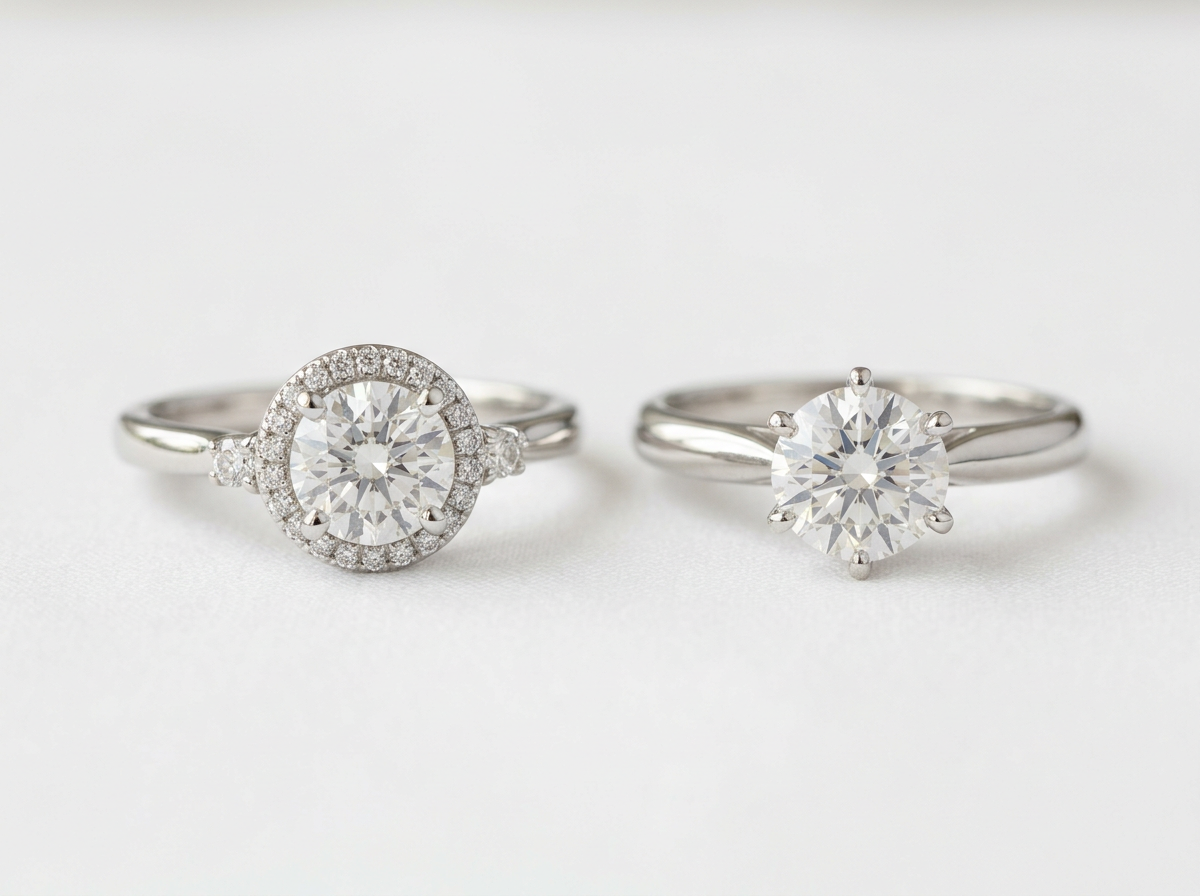
Figure 2: Halo vs. Solitaire Settings for a 1 Carat Diamond
Optimizing Visual Presence Using Halo, Solitaire, and Pavé Settings
Different setting styles interact with a 1 carat diamond in unique ways, creating distinct optical illusions and enhancing its visual impact.
Halo Setting: Perhaps the most effective setting for making a 1 carat diamond appear significantly larger is the halo setting. In this style, the center stone is encircled by a border of smaller, often pavé-set, diamonds. This surrounding sparkle creates an optical illusion, blending seamlessly with the main diamond and expanding its perceived diameter by as much as 20-30%. A 1 carat diamond in a halo setting can easily give the impression of a 1.5 or even 2 carat stone, offering a grander look without the corresponding increase in price. The halo also adds a layer of protection to the center stone.
Solitaire Style: The classic solitaire setting, characterized by a single diamond held by prongs, is timeless and elegant. While it doesn't create the illusion of a larger stone in the same way a halo does, it allows the 1 carat diamond to stand alone as the undisputed focal point. The simplicity of a solitaire ensures that all attention is drawn to the diamond's brilliance and natural beauty. For those who prioritize understated elegance and the diamond's inherent qualities, the solitaire remains an unparalleled choice. Slim prongs can further enhance the diamond's visibility by minimizing metal obstruction.
Pavé Bands: Incorporating pavé accents into the band, whether with a halo or solitaire center, can further amplify the overall sparkle and perceived luxury of the ring. Small diamonds set closely together along the band create a continuous surface of glitter, drawing the eye and contributing to a more substantial and brilliant overall appearance without directly altering the perceived size of the 1 carat center stone itself.
Other styles like bezel settings, while offering maximum protection, can sometimes make a diamond appear slightly smaller due to the metal rim surrounding it. Conversely, tension settings, which hold the diamond in place with pressure, allow for maximum light entry, potentially enhancing brilliance. The choice of setting is a deeply personal one, and our personalized design services ensure that your 1 carat diamond is showcased in a way that perfectly matches your vision for both size perception and style.
Strategic Material Selection and Alternative Stones in Personalized Jewelry Design
Beyond the setting style, the choice of metal and the consideration of alternative stones are vital components of personalized jewelry design, influencing both aesthetics and budget.
Metal Choice: The color of the metal can subtly affect the appearance of a 1 carat diamond. White metals like platinum or white gold can enhance a diamond's colorless appearance, making it appear brighter. Yellow or rose gold, on the other hand, can create a beautiful contrast, making the diamond pop, especially if it has a slightly warmer tone. The metal's reflectivity can also play a role in how light interacts with the diamond.
Alternative Stones: For those who love the look of a 1 carat diamond but wish to explore options that offer similar visual size at a different price point, or simply desire a different type of gemstone, several excellent alternatives exist:
- Lab-Grown Diamonds: These are chemically, physically, and optically identical to mined diamonds but are created in a controlled laboratory environment. A 1 carat lab-grown diamond offers the same visual appeal as its natural counterpart but typically at a significantly lower cost, providing exceptional value and a sustainable choice.
- Moissanite Gems: Moissanite is a naturally occurring mineral (silicon carbide) that is now primarily created in labs for jewelry. It possesses even greater brilliance and fire than a diamond, and a 1 carat moissanite will often have a slightly larger visual spread than a 1 carat diamond due to its lower density. It's an incredibly durable and cost-efficient alternative.
- White Sapphires: While not as brilliant as diamonds or moissanite, white sapphires offer a beautiful, milky white appearance. A 1 carat white sapphire will also be considerably less expensive than a diamond, providing a classic look for those on a tighter budget.
List 1: Popular Diamond Alternatives for 1 Carat Size Appearance
These alternatives provide fantastic opportunities for cost efficiency without compromising on the desired visual size. Our expertise in personalized design includes guiding you through these choices, ensuring you find the perfect stone and setting that aligns with your values, aesthetic preferences, and budget, making your 1 carat vision a reality.
Frequently Asked Questions About Stone Sizes and Custom Ring Design
When embarking on the journey of personalized jewelry design, particularly for a significant piece like an engagement ring, many questions naturally arise concerning stone sizes, appearance, and value. Our role is to provide clear, expert guidance, ensuring you feel confident and informed at every step. Here, we address some of the most common inquiries regarding 1 carat diamonds, offering insights into custom sizing, detailed diamond evaluation, and expert proportion guidance.
How much does a 1 carat diamond typically cost?
The average price range for a 1 carat diamond can vary significantly, typically falling between $4,000 and $6,000 as of August 2026. However, it's crucial to understand that this is a broad average. The actual cost can range from as low as $1,500 to upwards of $16,000, depending heavily on the specific characteristics of the diamond. This wide market variance is primarily influenced by the "4Cs":
- Cut: As discussed, an excellent cut dramatically increases the diamond's beauty and value. A premium for superior cut quality is expected.
- Color: Diamonds are graded on a scale from D (colorless) to Z (light yellow/brown). Colorless diamonds (D-F) are the rarest and most expensive.
- Clarity: This refers to the absence of inclusions (internal flaws) and blemishes (external imperfections). Flawless diamonds are extremely rare and command the highest prices.
- Shape: While round brilliants are often the most expensive per carat due to demand and cutting waste, fancy shapes can sometimes offer better value.
Other factors like fluorescence, certification lab (GIA, AGS are highly respected), and market demand also play a role. Our personalized design approach includes transparent diamond evaluation, helping you understand how each of these factors contributes to the overall price and guiding you to find a 1 carat diamond that offers the best balance of quality and value within your budget.
Does diamond shape affect how large a 1 carat stone appears on the finger?
Absolutely, diamond shape significantly impacts the visual perception of a 1 carat stone on the finger. As we've explored, while all 1 carat diamonds weigh 0.2 grams, their physical dimensions vary considerably based on their shape. Elongated shapes such as oval, pear, marquise, and emerald cuts tend to have a larger surface area (or "visual spread") when viewed face-up compared to round, princess, or cushion cuts of the same carat weight.
For example, a 1 carat round brilliant diamond typically measures about 6.5 mm in diameter. In contrast, a 1 carat oval diamond might measure around 8.0 x 5.5 mm, and a marquise could be as long as 10.0 x 5.0 mm. These extended surface dimensions create an optical illusion, making the elongated stones appear larger and more prominent on the finger. They also have the added benefit of making the wearer's fingers appear longer and more slender. Therefore, if maximizing visual size is a priority for your 1 carat diamond, considering an elongated fancy shape is an excellent strategy, and we can provide expert proportion guidance to help you choose the ideal one.
What setting style makes a 1 carat diamond look larger?
To maximize the perceived size of a 1 carat diamond, certain setting styles are particularly effective in creating an optical illusion of a grander stone. The most prominent among these is the halo setting. By surrounding the central 1 carat diamond with a border of smaller, pavé-set diamonds, the halo effectively extends the sparkling surface area, making the main stone appear considerably larger—often by 1.5 to 2 times its actual size. The halo borders blend seamlessly with the center stone, creating a continuous field of brilliance.
Another technique involves using slim prongs and minimal metal around the diamond in settings like solitaires or even some pavé designs. By reducing the amount of metal that covers the diamond's girdle, more of the stone is exposed to light, enhancing its visual spread and brilliance. Additionally, incorporating pavé accents on the band itself can contribute to the overall sparkle and luxurious feel of the ring, drawing the eye and making the entire piece feel more substantial, even if it doesn't directly enlarge the center stone. The best setting for enhancing the size of your 1 carat diamond depends on your personal style, and our custom sizing and design expertise can help you select the perfect option.
Conclusion
Choosing a 1 carat diamond is a significant decision, and as we've explored, its true 'size' extends far beyond its weight. From the precise millimeter dimensions of various cuts to the transformative power of an excellent cut, and the strategic enhancement offered by different setting styles, every element contributes to the diamond's overall visual impact. We've seen how personalized jewelry design services are instrumental in navigating these nuances, ensuring that your 1 carat diamond not only meets but exceeds your expectations.
Whether you prioritize maximizing perceived size with an elongated fancy shape or a halo setting, or prefer the classic elegance of a solitaire, our expertise ensures a tailored aesthetic that speaks to your unique style. We guide you through understanding the 4Cs, exploring alternative stones like lab-grown diamonds and moissanite, and selecting the perfect metal, all while respecting your budget and vision.
A custom-designed piece featuring a 1 carat diamond is more than just jewelry; it's an investment in a personal legacy, a symbol crafted with intention and precision. By understanding the intricate details of 1 carat size and leveraging the art of custom craftsmanship, you can create a piece that is truly extraordinary, a cherished heirloom for generations to come.
Figure 3: A Finished Custom Diamond Ring
Comments
