Categories more
- Adventures (200)
- Arts / Collectables (309)
- Automotive (215)
- Aviation (282)
- Bath, Body, & Health (509)
- Children (116)
- Cigars / Spirits (271)
- Cuisine (730)
- Design/Architecture (1092)
- Electronics (222)
- Entertainment (159)
- Event Planning (298)
- Fashion (544)
- Finance (195)
- Gifts / Misc (141)
- Home Decor (554)
- Jewelry (332)
- Pets (91)
- Philanthropy (124)
- Real Estate (384)
- Services (220)
- Sports / Golf (218)
- Vacation / Travel (1057)
- Watches / Pens (218)
- Wines / Vines (868)
- Yachting / Boating (281)



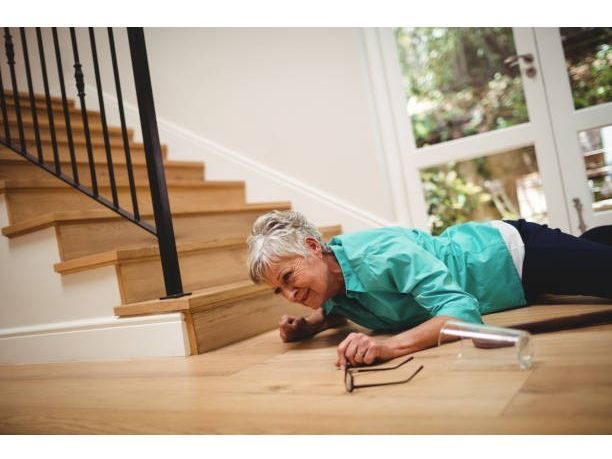
What if the Property Owner Fixes the Hazard Before You Can Document for Slip and Fall Claim?

Published
10/22/2026If a property owner fixes a hazard before you can document it, you may still have a valid personal injury claim. Photographs of the dangerous condition can be valuable evidence, but they are not the only way to show what caused your fall. Witness statements, surveillance footage, incident reports, medical records, and maintenance logs may help establish what happened and whether the owner knew about the hazard.
A slip and fall accident can happen suddenly, leaving little time to take pictures or gather information. You may be focused on your injuries while employees clean up a spill, repair a broken step, or remove an obstruction. Even if the property looks safe afterward, you can take practical steps to preserve other evidence and protect your right to seek compensation.
1. Gather Witness Information
People who saw the fall or noticed the hazard beforehand may provide important evidence. Their observations can help explain what the area looked like before the property owner made repairs.
If possible, collect witnesses' names and contact information. Ask them to describe what they saw in their own words, without suggesting answers. Someone who noticed a leaking refrigerator or a damaged handrail before the incident may be able to confirm how long the problem existed.
2. Request Surveillance Footage
Businesses, apartment buildings, and other properties may have security cameras that captured the incident or the hazardous condition. Footage could show the fall, the surrounding area, or employees addressing the problem afterward.
Contact the property owner or manager promptly to request that relevant footage be preserved. Some systems automatically overwrite recordings after a short period, so delays may result in lost evidence. An attorney may also send a formal preservation letter when appropriate.
3. Keep Incident Reports and Medical Records
Report the incident to the property manager or responsible employee and request a copy of any incident report. Check that the report accurately describes what happened, where you fell, and any injuries you reported.
Seek medical attention promptly, even if your symptoms initially seem minor. Medical records can document your injuries, treatment, and recovery. They do not automatically prove who was responsible, but they can help connect your reported fall with your physical condition.
4. Document the Scene Afterward
Although the hazard may be gone, photographs of the surrounding area can still help. Take pictures of the floor, lighting, warning signs, nearby equipment, or the location where the fall occurred.
Keep any photographs you took immediately after the incident, along with messages, receipts, and notes about what happened. Write down the date, time, weather conditions, and any statements made by employees or witnesses while your memory is fresh.
Understand the Property Owner's Legal Responsibilities
Property owners may be responsible when their negligence creates or allows a dangerous condition to remain on the premises. However, liability depends on the circumstances, including whether the owner knew or reasonably should have known about the hazard and failed to address it appropriately.
For example, California Civil Code Section 1714 generally establishes responsibility for injuries caused by a person's lack of ordinary care. Whether it applies to a particular premises liability claim depends on the facts and relevant legal standards.
Fixing a hazard after an incident does not automatically establish negligence or erase potential liability. Other evidence may help show what happened before the repair.
Key Takeaways
- You may still have a claim even if the hazard is repaired before you photograph it.
- Witness statements, surveillance footage, and maintenance records may help establish what happened.
- Request that relevant video evidence be preserved as soon as possible.
- Keep incident reports, medical records, and photographs of the surrounding area.
- California Civil Code Section 1714 addresses responsibility for injuries caused by a lack of ordinary care.
- Consult a personal injury attorney promptly to understand your options and applicable deadlines.
Comments
