Categories more
- Adventures (62)
- Arts / Collectables (14)
- Automotive (77)
- Aviation (65)
- Bath, Body, & Health (123)
- Children (6)
- Cigars / Spirits (71)
- Cuisine (66)
- Design/Architecture (22)
- Electronics (63)
- Entertainment (36)
- Event Planning (115)
- Fashion (45)
- Finance (10)
- Gifts / Misc (6)
- Home Decor (118)
- Jewelry (41)
- Pets (3)
- Philanthropy (1)
- Real Estate (16)
- Services (44)
- Sports / Golf (14)
- Vacation / Travel (85)
- Watches / Pens (33)
- Wines / Vines (34)
- Yachting / Boating (67)


What Impacts the Price of a Semi-Trailer?

Published
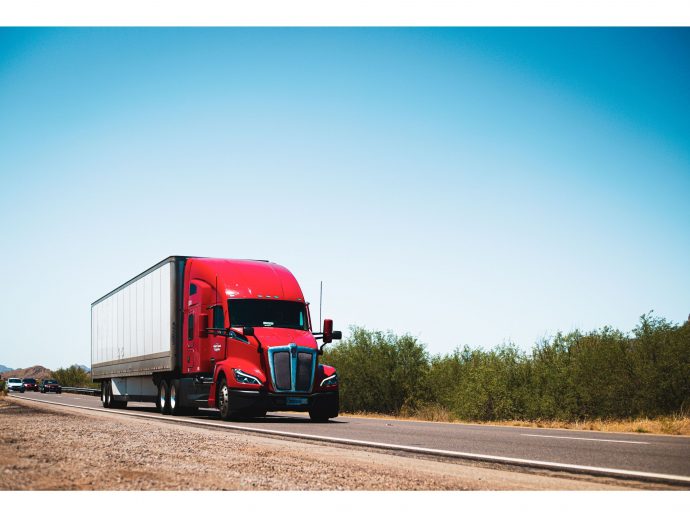
07/01/2026Buying or leasing a semi-trailer is a major investment, and the final price can vary widely depending on what you need it to do. A basic dry van may cost far less than a refrigerated trailer, flatbed, tanker, or specialized hauling unit. For fleets, owner-operators, and logistics companies, understanding semi-trailer cost factors can make it easier to compare options and avoid overpaying. The right trailer should match your freight type, route demands, compliance needs, and long-term maintenance expectations. Price is not just about the sticker amount, since durability, fuel efficiency, resale value, and downtime all affect the real cost of ownership.
Trailer Type and Intended Use
The type of semi-trailer you choose is one of the biggest price drivers. Dry vans are often among the most common and affordable options because they are designed for general freight and do not require complex temperature-control systems. Refrigerated trailers, also called reefers, cost more because they include insulated walls, refrigeration units, fuel systems, and added maintenance requirements. Flatbeds, step decks, lowboys, tankers, and dump trailers each have different structural needs, which can increase or decrease the final price. A trailer designed for heavy equipment, liquids, oversized loads, or sensitive cargo usually requires stronger materials, special components, and additional safety features.
Specialized trailers tend to cost more because they serve a narrower purpose. For example, a lowboy trailer built to haul construction equipment must support extreme weight and maintain stability on the road. A tanker trailer must meet strict standards for carrying liquids, chemicals, food-grade materials, or fuel. These trailers may also require specific linings, pumps, valves, or inspection certifications. When comparing prices, buyers should start by identifying exactly what cargo the trailer will carry and how often it will be used.
New vs. Used Semi-Trailers
Whether you buy new or used has a major impact on semi-trailer cost. New trailers typically come with the latest materials, updated safety features, manufacturer warranties, and fewer immediate repair concerns. They also allow buyers to choose custom specifications, which can be important for fleets with exact operational requirements. However, new trailers usually have a higher upfront price and may depreciate faster in the first few years. For companies with predictable freight needs and long-term plans, the higher initial investment may still make sense.
Used trailers can offer strong value, especially for buyers who want to reduce upfront costs. A well-maintained used dry van, flatbed, or reefer can still provide years of reliable service. The challenge is that condition, mileage, age, repair history, and prior cargo use can all affect long-term performance. A cheaper used trailer may become expensive if it needs major repairs soon after purchase. Before buying used, it is important to inspect the frame, suspension, brakes, tires, flooring, doors, roof, and electrical systems.
Size, Capacity, and Structural Materials
Trailer dimensions and load capacity play a direct role in pricing. Standard lengths, such as 48-foot and 53-foot trailers, may be easier to find and more competitively priced than custom sizes. Trailers designed for heavier loads require stronger frames, reinforced floors, better suspension systems, and higher-rated axles. These upgrades add cost, but they also improve safety and reliability when hauling demanding freight. Choosing too little capacity can lead to compliance issues, excessive wear, and reduced trailer life.
Materials also influence price and performance. Aluminum components can reduce weight and improve payload efficiency, but they may cost more than steel alternatives. Steel is strong and durable, but it can add weight and may require more corrosion protection depending on the operating environment. Composite panels, advanced insulation, and high-strength flooring materials can also increase the purchase price. Buyers should balance material cost against expected use, fuel savings, maintenance needs, and resale value.
Features, Customizations, and Equipment
Optional features can raise the final price of a semi-trailer quickly. Some upgrades improve driver convenience, cargo protection, loading efficiency, or regulatory compliance. Others may be necessary depending on the freight being hauled. While it can be tempting to choose the lowest-cost option, missing key features may reduce productivity or create future expenses. The best approach is to separate must-have equipment from nice-to-have additions.
Common features that can affect price include:
- Liftgates for easier loading and unloading
- Air ride suspension for smoother cargo transport
- Sliding tandem axles for weight distribution flexibility
- Tire inflation systems for improved tire performance
- E-track, logistics posts, or cargo securement systems
- Side skirts or aerodynamic devices for fuel efficiency
- Roll-up doors, swing doors, or specialty access points
- Interior liners, insulation, or protective flooring
Custom trailers usually cost more because they require additional engineering, materials, and production time. A fleet hauling fragile goods may need special interior protection, while a carrier focused on high-volume freight may prioritize lightweight construction. Refrigerated trailers may include multi-temperature zones, telematics, upgraded refrigeration units, or advanced monitoring systems. Flatbeds may need toolboxes, winches, tarps, or reinforced decking. Every customization should be evaluated based on whether it improves revenue, reduces risk, or supports daily operations.
Brand, Manufacturer, and Build Quality
Brand reputation can influence trailer pricing because established manufacturers often command higher prices. Buyers may pay more for a trailer from a trusted brand because of perceived reliability, parts availability, warranty support, and resale value. A lower-priced trailer from a lesser-known manufacturer may still perform well, but it should be evaluated carefully. Build quality matters because trailers face constant vibration, heavy loads, weather exposure, and demanding road conditions. Poor construction can lead to leaks, frame problems, door failures, suspension issues, and costly downtime.
The quality of welds, flooring, panels, wiring, seals, axles, brakes, and hardware can affect long-term ownership costs. A trailer that costs less upfront but requires frequent repairs may not be the most economical choice. Fleets should consider how easy it is to source replacement parts and service the trailer in their operating regions. Warranty coverage can also affect value, especially for new trailers or specialized equipment. A higher purchase price may be justified when the trailer lasts longer, performs better, and retains more resale value.
Market Conditions and Availability
Semi-trailer prices can shift based on supply and demand. When freight demand is high, carriers often expand fleets, which can increase trailer prices and reduce available inventory. When freight markets slow, used trailer supply may rise, and prices may become more negotiable. Manufacturing backlogs, material costs, labor availability, interest rates, and transportation costs can also affect pricing. Buyers who need a trailer immediately may pay more than those who can wait for the right deal.
Regional availability can also matter. Some trailer types are more common in certain markets because of local industries, ports, agriculture, construction, or manufacturing activity. A buyer looking for a specialized tanker or lowboy may have fewer options nearby and may need to pay shipping or travel costs. Seasonal demand can also affect pricing, especially for refrigerated trailers, agricultural trailers, and construction-related equipment. Comparing multiple sellers and timing the purchase carefully can help reduce the total semi-trailer cost.
Maintenance History and Condition
For used trailers, condition is often more important than age alone. A newer trailer that has been poorly maintained may be a worse investment than an older trailer with detailed service records. Buyers should look for signs of structural damage, rust, water intrusion, uneven tire wear, brake problems, suspension wear, and electrical issues. Flooring condition is especially important for dry vans and reefers because damaged floors can reduce load safety and require expensive repairs. For refrigerated trailers, the condition and hours of the refrigeration unit are major pricing factors.
Maintenance records can help confirm whether the trailer received regular inspections and repairs. Documentation may include brake service, tire replacement, axle work, refrigeration maintenance, roof repairs, and DOT inspections. A trailer with complete records may command a higher price because it reduces uncertainty. On the other hand, missing records do not always mean the trailer is bad, but they do increase risk. A professional inspection is often worth the cost before making a purchase decision.
FAQ: Semi-Trailer Pricing
How much does a semi-trailer cost? The price depends on trailer type, age, condition, features, and market demand. A used dry van is usually less expensive than a new reefer, tanker, or specialized trailer.
Why are refrigerated trailers more expensive? Reefers include insulation, refrigeration units, fuel systems, controls, and temperature-monitoring equipment. These added systems increase both purchase price and maintenance costs.
Is buying used a good idea? Buying used can be a smart choice when the trailer is in good condition and has reliable maintenance records. The key is to inspect it carefully before purchase.
What trailer features are worth paying more for? Valuable features depend on your freight, but air ride suspension, good cargo securement, aerodynamic equipment, and quality flooring often improve performance. For some operations, liftgates or telematics may also be worth the added cost.
Does brand matter when buying a semi-trailer? Brand can matter because reputable manufacturers may offer better durability, stronger resale value, and easier parts availability. However, condition and specifications are still critical.
What is the best way to lower semi-trailer cost? Compare multiple sellers, consider used options, avoid unnecessary customizations, and inspect the trailer before buying. Timing the purchase during softer market conditions may also help.
Financing, Ownership Costs, and Long-Term Value
The purchase price is only one part of the total cost. Financing terms, interest rates, insurance, registration, taxes, repairs, tires, inspections, and downtime all affect the real cost of owning a trailer. A lower monthly payment may look attractive, but buyers should review the full financing agreement before committing. Lease options may work well for companies that want flexibility, predictable payments, or newer equipment without long-term ownership. Buying may be better for operators who plan to keep the trailer for many years and want to build equity.
Long-term value should guide the final decision. A durable trailer that fits your freight needs, requires fewer repairs, and holds resale value may be more cost-effective than the cheapest available option. Buyers should compare trailers based on specifications, condition, operating costs, and expected revenue potential. The best trailer is not always the lowest-priced one, but the one that supports safe, efficient, and profitable hauling. By understanding what drives semi-trailer cost, you can make a smarter investment and avoid surprises after the sale.
Comments
