Categories more
- Adventures (199)
- Arts / Collectibles (315)
- Automotive (219)
- Aviation (279)
- Bath, Body & Health (513)
- Children (116)
- Cigars / Spirits (271)
- Cuisine (723)
- Design / Architecture (1118)
- Electronics (222)
- Entertainment (162)
- Event Planning (295)
- Fashion (550)
- Finance (195)
- Gifts / Misc (141)
- Home Decor (558)
- Jewelry (396)
- Pets (91)
- Philanthropy (124)
- Real Estate (386)
- Services (221)
- Sports / Golf (213)
- Vacation / Travel (1036)
- Watches / Pens (223)
- Wines / Vines (861)
- Yachting / Boating (5091)


What Makes Professional Brake Pad Painting Durable?

Published
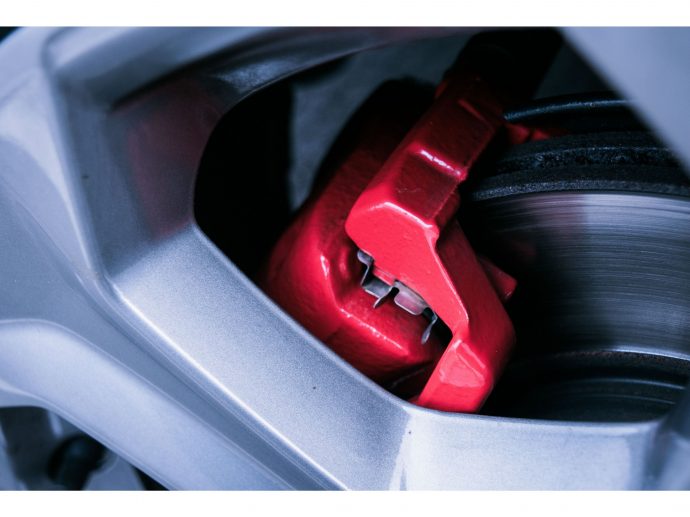
10/05/2026Even a new coat of paint on a brake caliper could be sharp for several weeks, the next day could be destroyed or spoiled in the actual conditions of driving. The durability of professional brake caliper painting is all about preparation, type of coating and proper curing. This article describes how to have a finish that does last.
Learning about professional brake caliper painting
Why brake calipers face harsh conditions
Brake calipers are in a position near to some of the harshest conditions on a vehicle. Brake dust, road grime, extreme heat, and constant moisture all attack a painted surface every day. This awareness of the conditions justifies the failure of paints of the standard types easily. Challenging conditions of caliper coatings include:
- Extreme heat exposure: Braking is associated with high temperatures and can therefore quickly soften or discolour poor quality paint.
- Constant brake dust: Fine metallic dust is deposited on the surface which wears the lighter layers away.
- Road debris impact: Small stones and grits hitting the caliper and chipping off paint that is not appropriately adhesive.
- Moisture and road salt: Constant exposure to water and salt that hastens corrosion below an improperly prepared surface.
Why surface preparation matters most
Lasting paint begins many years earlier than colour is put on. Effective surface preparation eliminates contamination and provides a stable surface on which the coating can adhere. Failure to do so can lead to premature peeling or chipping no matter what quality the paint is. The steps involved in preparation that will help in the durability are:
- Thorough degreasing: Completely removing of the brake dust, oil and grime, prior to any coating process.
- Surface sanding: This is the creation of a slightly roughened surface that enhances an increase in the bonding of paint to the metals.
- Rust removal: Treating any existing corrosion to ensure that it does not spread under the new finish.
Choosing the right coating type
All caliper finishes are not equally heat-resistant and impact-resistant. A professional brake pad painting service makes use of special automotive grade paints as opposed to standard spray paint. The type of coating chosen has a great impact on the durability in the long-run. The most popular coating choices are:
- Heat-resistant enamel: A durable finish that is developed to resist high temperatures produced during braking.
- Powder coating: An electrostatically applied coating that has a high adhesive property and has high resistance to chips.
- Epoxy-based primers: A shield on the foundation, enhancing adhesion and corrosion barriers beneath the topcoat.
- Clear protective topcoats: An extra coating that protects colour coats against fading and wear on the surfaces.
How proper curing affects longevity
There is not much sense in applying the right coating unless it is cured after. The process of curing makes the paint hard and it can withstand heat and physical pressure. A hurry in this step has a tendency of giving way to soft, readily damaged finishes. Factors affecting durability, when cured, are:
- Correct temperature exposure: Cured at temperatures that are prescribed by manufacturer specifications to a full hardness of the paint.
- Adequate curing time: Waiting time before the vehicle is given back to normal operating conditions.
- Oven-cured versus air-dried finishes: Oven drying usually results in a harder and more resilient finish than an air dry finish only.
- Avoiding premature handling: Do not touch the caliper surface until it has completely cured.
Professional application techniques that improve results
The technique of application contributes significantly in smoothing and fixing the bonded paint to the caliper. The professional operations are conducted in a controlled and repeatable way as opposed to casual spraying. This consistency allows a longer, more consistent finish. Techniques that aid durability include:
- Even coat application: Applying several thin coats as opposed to one thick coat which is likely to crack.
- Controlled spray distance: This involves having the same distance and angle when painting to produce even coverage.
- Dust-free environment: Paint in a controlled area where there is no debris to fall into the wet paint.
- Quality control checks: Inspections of the quality of coverage and finish to be made before the caliper is reintroduced into service.
Maintaining a painted caliper over time
Even a durable finish is enhanced by simple continued maintenance. Basic care routines will conserve both the appearance and protective features. Identification of such habits will help achieve a more lasting outcome following professional painting. The maintenance practices to be considered can include:
- Regular gentle cleaning: Cleaning brake dust off after a certain time to avoid accumulation on the coating.
- Avoiding harsh chemicals: It is advisable not to use harsh solvents that can destroy the large painting which protects the paint.
- Prompt chip attention: Fix small chips at the first instance before corrosion gets an opportunity to proliferate.
- Routine visual inspection: To check on the early signs of wearing with frequent inspection of the brakes or tyre maintenance.
Conclusion
Durable brake caliper painting relies on proper preparation, the appropriate coating and appropriate curing. The techniques involved in professional application also promote a finish that is heat resistant, resistant to debris and day to day wear. Proper care maintenance will assist in maintaining that longevity even in the years to come.
Comments
