Categories more
- Adventures (199)
- Arts / Collectibles (315)
- Automotive (219)
- Aviation (279)
- Bath, Body & Health (513)
- Children (116)
- Cigars / Spirits (271)
- Cuisine (723)
- Design / Architecture (1118)
- Electronics (222)
- Entertainment (162)
- Event Planning (295)
- Fashion (550)
- Finance (195)
- Gifts / Misc (141)
- Home Decor (558)
- Jewelry (396)
- Pets (91)
- Philanthropy (124)
- Real Estate (386)
- Services (221)
- Sports / Golf (213)
- Vacation / Travel (1036)
- Watches / Pens (223)
- Wines / Vines (861)
- Yachting / Boating (6585)



What to Do at the Scene of a Car Accident

Published
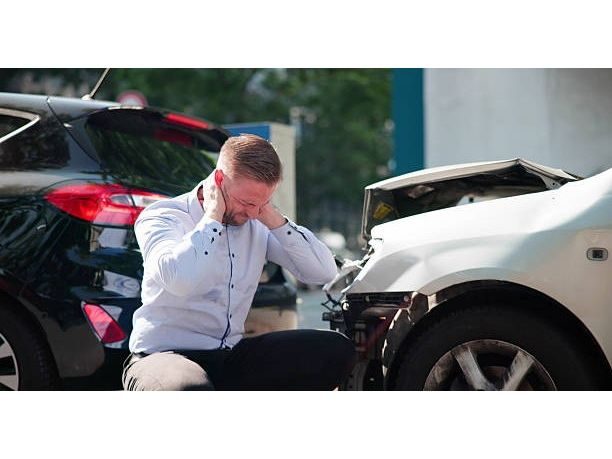
10/05/2026At a crash scene, the priorities run in a fixed order: injuries first, traffic safety second, and evidence third. Fault is the last thing to worry about, and it is not settled at the roadside.
Scenes clear quickly. Within twenty minutes, the cars are moved, the witnesses are gone, and the only proof left is whatever you captured.
The choices you make immediately after a car accident decide whether the claim stays simple. A few careful minutes at the scene prevent months of disagreement later.
Check for Injuries Before Anything Else
Ask the people in your car, then the people in the other vehicle, whether anyone is hurt.
Do not move an injured person unless fire, fuel, or oncoming traffic makes staying more dangerous. Moving someone with a neck or spine injury can cause lasting harm, so wait for paramedics whenever the scene is stable.
Should You Move the Vehicles?
Yes, when the cars still run and they are sitting in a live traffic lane.
Secondary collisions into a blocked lane cause some of the worst injuries in minor crashes, and many states require drivers to clear the roadway. Take two or three wide photos first, then pull onto the shoulder or into a nearby lot.
Leave the vehicle where it sits if it is smoking, leaking fuel, or badly crushed. Commercial drivers have a separate duty here, since 49 C.F.R. § 392.22 requires warning devices within ten minutes of stopping on a highway.
What to Tell the Dispatcher
Give the location first, using cross streets or a mile marker, because that detail decides which agency responds.
Then report injuries, blocked lanes, and any sign the other driver is impaired. Ask for the incident number before you hang up, since that number is how anyone locates the report afterward.
Information to Get From the Other Driver
Write down more than a phone number. Insurers verify identity against their own records, and gaps cause delays.
- Name, current address, and phone number
- Driver's license number and issuing state
- Insurance carrier, policy number, and expiration date
- Plate number, make, model, and color
- Employer name if the driver was working at the time
That last item matters more than people expect. Motor carriers must record crashes in an accident register under 49 C.F.R. § 390.15, which creates a paper trail no private driver generates.
If the Other Driver Will Not Cooperate
Some drivers refuse to share anything, and some leave before police arrive.
Photograph the plate and the vehicle, note the direction it went, and tell the dispatcher immediately. Never follow a fleeing driver, because that turns a property damage claim into a pursuit with real danger.
Proof That Exists Only at the Scene
Certain evidence disappears the moment the lane reopens and cannot be rebuilt from memory.
- Skid marks and pavement gouges showing where braking began
- Debris spread, which indicates the speed and direction of impact
- Weather, lighting, and sun angle at the time of the crash
- Blocked signs, overgrown branches, or a malfunctioning signal
- Names and numbers of anyone who stopped to help
Roadside Offers to Settle in Cash
Drivers sometimes offer money on the spot to keep the crash off their insurance.
These arrangements fail in predictable ways. Soreness turns into a diagnosis two days later, the body shop finds structural damage behind an intact bumper, and the driver who promised to pay stops answering the phone.
Without a report and a full exchange of information, there is nothing to fall back on.
Key Takeaways
- Treat injuries and traffic danger before collecting any evidence.
- Move drivable cars out of live lanes after taking wide photos.
- Give dispatch a precise location and ask for the incident number.
- Record license, insurance, and employer details in writing.
- Photograph the plate and call police if a driver leaves.
- Skid marks, debris, and lighting conditions vanish within the hour.
- Cash offers collapse once hidden injuries or damage appear.
Comments
