Categories more
- Adventures (200)
- Arts / Collectibles (316)
- Automotive (219)
- Aviation (283)
- Bath, Body & Health (514)
- Children (116)
- Cigars / Spirits (271)
- Cuisine (730)
- Design / Architecture (1096)
- Electronics (222)
- Entertainment (160)
- Event Planning (299)
- Fashion (550)
- Finance (197)
- Gifts / Misc (141)
- Home Decor (556)
- Jewelry (395)
- Pets (91)
- Philanthropy (124)
- Real Estate (386)
- Services (227)
- Sports / Golf (219)
- Vacation / Travel (1059)
- Watches / Pens (223)
- Wines / Vines (868)
- Yachting / Boating (1856)


What You Should Do if You Witness a Car Accident

Published
10/22/2026If you witness a car accident, stay safe, call 911 if anyone is injured or needs help, and tell emergency responders what you saw. Do not put yourself in danger while helping. Your account of the accident may also help investigators understand how the crash happened.
Knowing what to do if you see a crash can make a difference when people are injured, or drivers disagree about what happened. If you are wondering, “If you see a car accident, do you have to stay?”, you generally have no legal duty to stop when you were not involved.
However, reporting an emergency and offering a truthful witness account can be valuable.
Protect Yourself Before Helping
Never rush into moving traffic or approach a dangerous scene. If you are driving, pull over somewhere safe, switch on your hazard lights, and park before using your phone. Stay away from fuel leaks, smoke, fallen power lines, and damaged vehicles that may move or collapse. Protect yourself while helping others so you do not get hurt too.
Call 911 When Necessary
Call 911 if someone may be injured, a vehicle blocks traffic, a fire has started, or you are uncertain whether emergency assistance is needed. Do not assume another witness has already called.
Tell the dispatcher your exact location, travel direction, number of vehicles, apparent injuries, and any immediate hazards. Briefly describe what you personally witnessed, speaking calmly and avoiding guesses.
Avoid Moving Injured People
Do not move an injured person unless they are in immediate danger, such as from a fire or oncoming traffic. Moving them could make their injuries worse.
If the area is safe, reassure the person, ask them to stay still, and wait for emergency responders. Only provide first aid that you are trained to give.
Give an Accurate Witness Account
Tell responding officers what you actually saw, rather than what you assume happened. Useful details include traffic signals, vehicle movements, braking, lane changes, road conditions, and whether a pedestrian or cyclist was involved.
Avoid declaring someone responsible for the crash. Describe observable actions instead, such as a vehicle entering an intersection against a red light. Investigators and insurers can assess responsibility using the available evidence.
Leave Your Contact Details
Give an officer your name and phone number, or ask how to submit a statement later. If officers do not attend, contact the appropriate police department for guidance. An insurer, lawyer, or investigator may contact you afterwards. You can explain what you witnessed, but never feel pressured to speculate or change your account.
If a Driver Flees
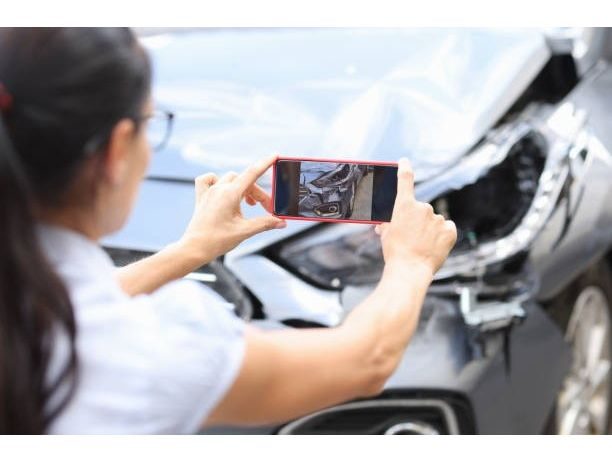
Never chase a driver who leaves the scene. Instead, report the departure and provide any details you remember, including the vehicle's make, model, color, registration number, direction of travel and distinctive damage. Photos or video may also help.
Understand Witness Statements and Protections
Write down the date, time, location, weather, sequence of events and names of other witnesses as soon as possible. Memories can fade, so contemporaneous notes may help you give a consistent account later.
Federal Rule of Evidence 803(1) provides exceptions that may allow certain statements made while observing an event or under the stress of a startling event to be admitted in court, depending on the circumstances. A prompt, truthful account can therefore be useful, although admissibility is never guaranteed.
Good Samaritan protections vary by state and may protect people who voluntarily provide emergency assistance.
Key Takeaways
- Safety first: Protect yourself before helping others.
- Call 911: Get emergency help when needed.
- Avoid moving injured people: Move them only if they face immediate danger.
- Give an accurate account: Tell police only what you personally saw.
- Leave your contact details: Help investigators follow up if needed.
- Never chase a fleeing driver: Report what you observed without guessing who was at fault.
Comments
