Categories more
- Adventures (62)
- Arts / Collectables (14)
- Automotive (77)
- Aviation (68)
- Bath, Body, & Health (127)
- Children (6)
- Cigars / Spirits (71)
- Cuisine (68)
- Design/Architecture (22)
- Electronics (66)
- Entertainment (40)
- Event Planning (116)
- Fashion (45)
- Finance (10)
- Gifts / Misc (6)
- Home Decor (118)
- Jewelry (41)
- Pets (3)
- Philanthropy (1)
- Real Estate (19)
- Services (60)
- Sports / Golf (38)
- Vacation / Travel (101)
- Watches / Pens (61)
- Wines / Vines (34)
- Yachting / Boating (76)



Where Nature Meets Comfort in Haida Gwaii

Published
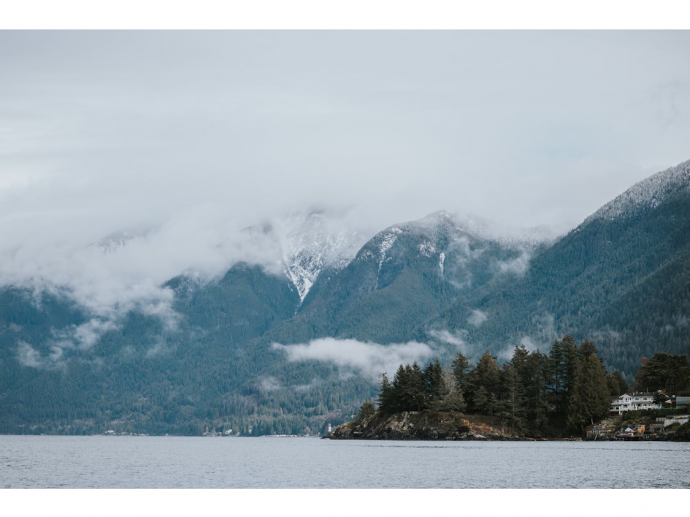
03/11/2026The road grows quieter as you head farther north. The trees close in, and the air smells like cedar. You notice the coast, the wind, and the slower pace. That shift feels real before you even unpack your bag.
Haida Gwaii suits travelers who want comfort without too much noise around them. It gives you room to rest, walk, and pay attention. For people comparing campsites in Haida Gwaii, the best stays often feel simple and well judged. They give you warmth, shelter, and easy access to the outdoors.
Why Haida Gwaii Feels So Different
Some places feel busy even when they look remote online. Haida Gwaii does not have that problem at all. You feel the distance in a good way here. The trip itself helps slow your pace before arrival.
That slower rhythm shapes the full travel experience. You stop expecting packed schedules and constant choices. You start noticing weather, light, and small daily routines. That change often makes the stay feel richer and more grounded.
The setting also carries strong cultural value. This is not just a scenic coast for quick photos. The islands sit on traditional Haida lands, and that history stays present. Parks Canada explains that Gwaii Haanas reflects shared stewardship between the Haida Nation and Canada.
For luxury readers, that deeper context adds something many polished resorts cannot offer. The stay feels tied to place, not separated from it. You still get comfort, but the setting leads the experience. That balance gives the trip its strongest appeal.
What Comfort Looks Like Off Grid
Off grid does not have to feel rough or inconvenient. A good stay still needs warmth, rest, and basic ease. In Haida Gwaii, comfort comes from useful details, not excess. That often makes the experience feel more thoughtful.
When the basics work well, the whole trip runs better. You sleep more deeply, settle in faster, and enjoy the setting more. You also spend less energy fixing small problems. That leaves more room for walks, meals, and quiet time.
The Basics That Improve A Stay
A comfortable off grid stay usually depends on a few practical things.
- Dry and sturdy shelter during wet coastal weather
- A bed setup that supports good rest each night
- Simple cooking space for easy meals and warm drinks
- Enough room for boots, bags, and wet layers
- Access to beaches, trails, or forest paths nearby
These points may sound plain, but they shape the full stay. Travelers often remember ease more than extras. Good flow inside the space helps more than flashy design. Privacy and quiet also add real value on remote trips.
That is why off grid travel still appeals to luxury audiences. Comfort does not always come from full service or heavy styling. Sometimes it comes from peace, privacy, and a setting that feels honest. Pieces about glamping with more comfort point to that same idea.
Staying Close To Nature Without Losing Ease
A good base should support the trip, not compete with it. In Haida Gwaii, that usually means staying near the beach or forest. You want access to the outdoors without feeling exposed all day. The best stays strike that balance with care.
That balance also affects your daily routine. You wake up, make coffee, and step outside with little effort. You return from a walk and have space for wet shoes. You cook something simple, then settle in for the night. Those ordinary moments shape the trip more than people expect.
Why Simple Layouts Work Better
A smaller space can feel far more comfortable than a larger one. It works best when the layout supports real travel habits. You need room to move, dry gear, and store food. You also need heat, light, and a place to rest well.
That is why simple design often works so well in remote places. It reduces friction and keeps your routine easy. Nothing feels overdone, yet nothing feels missing either. For many travelers, that kind of ease feels more luxurious than excess.
A Strong Setting Does Most Of The Work
Haida Gwaii does not need much added to impress people. The beach, forest, and coastal weather already shape the mood. A stay feels stronger when it respects that setting. It should frame the place well, not overpower it.
This idea shows up in many thoughtful coastal trips. You see it in quiet cabins, small lodges, and simple retreat spaces. British Columbia travel coverage often highlights stays where the setting carries the strongest pull. Haida Gwaii fits that approach very well.
How To Plan For A Better Stay
A remote trip works better when you plan with care. You do not need a huge checklist or rigid schedule. You just need clear expectations and a bit of foresight. That keeps the trip comfortable from start to finish.
Packing and pacing both play a big part here. Coastal weather can shift quickly during one day. Travel connections also take more thought than city breaks. When you plan around those realities, the stay feels much smoother.
A Few Habits Help Right Away
These small choices usually improve the trip.
- Pack layers for wind, rain, and cool evenings.
- Check what your stay includes before arrival.
- Leave room for slow mornings and weather changes.
- Keep meals simple and easy to prepare.
Those habits keep the trip grounded and low stress. You spend less time adjusting after arrival. You also avoid common issues that can wear down a remote stay. That lets the setting stay front and center.
Respecting The Place Adds More Value
Haida Gwaii asks for more than surface level travel. Visitors should treat the islands with care and attention. That means learning a little before arrival and moving with respect. It also means seeing the place as lived culture, not just scenery.
That context adds real depth to the stay. UNESCO recognizes SGang Gwaay as a site of outstanding cultural value. You can read more through UNESCO’s overview. Even a small amount of background changes how people experience the islands.
The Kind Of Luxury People Remember
Many travelers think luxury must involve layers of service and extras. Haida Gwaii offers a different version of comfort. It gives you quiet, space, and a stronger link to place. That often stays with people far longer than polished details.
You rest better when the setting feels calm and coherent. You notice the weather, the trees, and the sound of the shore. You also value warm shelter and simple routines more deeply. That shift gives the trip its strongest charm.
In the end, comfort here comes from balance. You get enough ease to settle in well each day. At the same time, the place stays honest and close around you. That is what makes Haida Gwaii feel both grounded and special.
Comments
