Categories more
- Adventures (119)
- Arts / Collectables (60)
- Automotive (109)
- Aviation (134)
- Bath, Body, & Health (273)
- Children (63)
- Cigars / Spirits (128)
- Cuisine (278)
- Design/Architecture (95)
- Electronics (99)
- Entertainment (60)
- Event Planning (151)
- Fashion (184)
- Finance (19)
- Gifts / Misc (51)
- Home Decor (222)
- Jewelry (151)
- Pets (34)
- Philanthropy (7)
- Real Estate (125)
- Services (79)
- Sports / Golf (60)
- Vacation / Travel (529)
- Watches / Pens (107)
- Wines / Vines (504)
- Yachting / Boating (145)



Why Eco-Friendly HVAC Maintenance is Essential for Modern Homes


Published
08/11/2026Maryland summers are known for their intense heat and high humidity. This climate puts a lot of stress on our home air conditioning units. Many homeowners wonder how often should you service your air conditioner in a hot humid Maryland climate to keep cool and save money. Neglecting AC maintenance can lead to breakdowns, higher energy bills, and a shorter system life. In this extensive guide, we will explore the ideal service frequency, what factors affect it, and how regular maintenance helps your system run efficiently. We'll also cover specific tasks and the benefits of eco-friendly operations for your AC in our demanding climate.
In an era where environmental consciousness is paramount, the way we maintain our homes plays a significant role in our overall carbon footprint. Our heating, ventilation, and air conditioning (HVAC) systems are among the largest energy consumers in our households, especially in demanding climates like Maryland's. Opting for eco-friendly HVAC maintenance isn't just about keeping your home comfortable; it's a commitment to sustainability, resource conservation, and reducing your environmental impact. Modern homes are increasingly designed with energy efficiency in mind, and their HVAC systems should be maintained to complement this green philosophy. Overlooking regular, environmentally conscious maintenance can negate the benefits of otherwise green living, leading to unnecessary energy waste and increased emissions.
Reducing Energy Consumption and Carbon Footprint
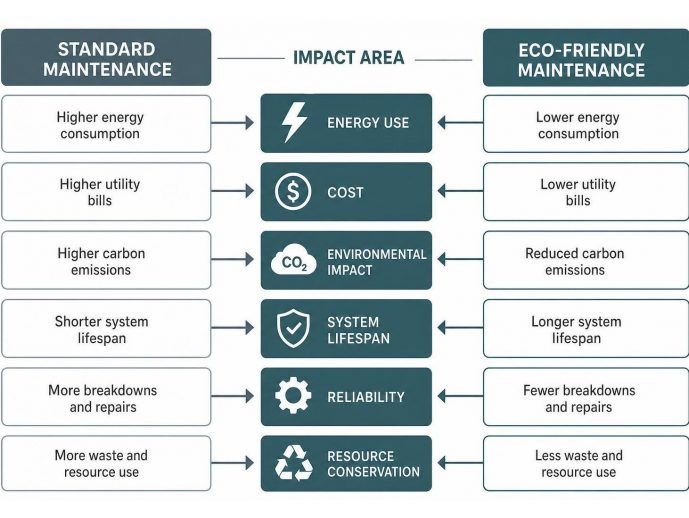
The direct link between HVAC maintenance and energy consumption is undeniable. A poorly maintained air conditioning system has to work harder to achieve the desired temperature, consuming more electricity and contributing to a larger carbon footprint. In Maryland, where cooling demands are high for several months, this energy waste can be substantial. Statistics show that regular HVAC maintenance can significantly reduce energy consumption—by up to 15%—simply by ensuring coils are clean, refrigerant levels are optimal, and all components are functioning properly. This reduction in electricity consumption translates directly into lower greenhouse gas emissions from power plants. By keeping your system in prime condition, you're not only saving on utility bills but also actively participating in the fight against climate change, making your home a true example of eco-friendly living.
Maximizing System Lifespan in Demanding Climates
Maryland's hot and humid summers place immense stress on air conditioning units, accelerating wear and tear compared to more temperate regions. This constant demand can drastically shorten an AC unit's lifespan if not properly managed. For instance, air conditioners in Gaithersburg, MD, typically last 12-15 years, but this can be cut short without consistent care. From an eco-friendly perspective, extending the life of your HVAC system is a crucial act of resource conservation. Manufacturing new AC units requires significant raw materials and energy, and disposing of old units contributes to landfill waste. A well-maintained HVAC system can last 15-20 years, whereas neglected systems often fail between 10-12 years in demanding climates. By maximizing your system's lifespan through regular, eco-conscious maintenance, we reduce the frequency of replacements, conserving valuable resources and minimizing waste. This proactive approach is a cornerstone of sustainable home management.
How Climate and Humidity Shape Your Green Maintenance Schedule
Maryland's distinct climate, characterized by scorching summers and high humidity, plays a pivotal role in determining the optimal maintenance schedule for your air conditioning system. Unlike regions with milder weather, our local conditions impose unique stresses on HVAC equipment, demanding a more strategic and often more frequent approach to care. This isn't just about comfort; it's about ensuring your system operates efficiently and sustainably under pressure. Understanding these environmental factors is key to developing a truly green maintenance plan that protects both your home and the planet.
The Environmental Cost of High Humidity
The pervasive humidity in Maryland summers presents a significant challenge for air conditioners. Beyond just cooling the air, AC units in humid environments must also work to remove moisture, a process known as handling "latent heat." This moisture removal requires additional energy and places extra strain on the system's components. When humidity levels are high, your AC unit essentially has a dual job, and this increased workload directly impacts its efficiency and energy consumption. For example, high humidity (above 50%) can reduce a system's cooling output by 8-9 degrees compared to drier conditions, meaning your unit runs longer and harder to achieve the same comfort level. This constant, elevated system strain not only shortens the unit's lifespan but also leads to higher electricity bills and a greater environmental burden. With Baltimore experiencing over 12 days above 90 degrees in July, the cumulative effect of high heat and humidity on residential AC systems is substantial, underscoring the need for vigilant maintenance.
Optimizing Eco-Friendly HVAC Maintenance for Seasonal Peaks
Given Maryland's challenging climate, optimizing your eco-friendly HVAC maintenance schedule is paramount. The best practice, widely recommended by HVAC professionals, is to schedule a comprehensive pre-season tune-up in early spring, well before the peak summer heat arrives. This proactive approach serves multiple purposes: it ensures your system is ready to handle the intense demands of summer, prevents unexpected breakdowns during the hottest months, and allows technicians to address any issues before they escalate into costly and energy-intensive problems.
By scheduling maintenance before the peak season, you avoid the rush when service companies are booked solid for weeks, as often happens during 100+ degree weather. This preventative care is a cornerstone of sustainable living, as it minimizes the chances of your system failing and requiring emergency repairs, which can sometimes involve less eco-friendly, rushed solutions. An early spring tune-up ensures your system operates at peak efficiency from day one of the cooling season, saving energy and reducing your carbon footprint throughout the summer. It's an investment in both your home's comfort and the planet's health.
Core Elements of a Sustainable Cooling Strategy
A truly sustainable cooling strategy goes beyond just fixing problems when they arise; it involves proactive, environmentally conscious practices that ensure your HVAC system operates at its best while minimizing its ecological impact. In Maryland's hot and humid climate, this means a focus on specific maintenance tasks that enhance both system optimization and indoor air quality, all while adhering to green principles.
Key Components of Eco-Friendly HVAC Maintenance
The heart of an eco-friendly HVAC maintenance plan lies in several critical tasks designed to boost efficiency and minimize environmental harm. One of the most important aspects is thorough coil cleaning. The evaporator coil (indoor) and condenser coil (outdoor) are crucial for heat exchange, and when they become laden with dirt and debris, their ability to transfer heat is severely compromised. Dirty coils can reduce cooling efficiency by up to 40%, forcing the system to work harder and consume significantly more energy. For eco-friendly operations, technicians often use biodegradable cleaners that effectively remove grime without introducing harsh chemicals into the environment.
Another vital component is airflow optimization. This involves checking and cleaning ductwork, ensuring proper sealing to prevent energy loss (leaky ducts can waste 20-30% of cooling energy, especially in attics or basements common in Maryland homes), and verifying that the blower motor is functioning correctly. Regular filter replacement is also non-negotiable; dirty filters restrict airflow, reduce efficiency, and can degrade indoor air quality.
During a tune-up, technicians also inspect refrigerant levels. While refrigerant is in a closed loop and should not need adjustment if properly charged initially, leaks can occur. Addressing these promptly prevents the release of refrigerants, which are potent greenhouse gases, into the atmosphere. Ensuring the system is properly charged and sealed is a critical part of sustainable HVAC care. These meticulous checks and cleanings are fundamental to maintaining an efficient, long-lasting system that aligns with eco-friendly principles.
Long-Term Savings with Eco-Friendly HVAC Maintenance
Investing in eco-friendly HVAC maintenance is not just an environmental choice; it's a financially astute decision that leads to substantial long-term savings. The immediate benefit is a noticeable reduction in utility bills. Well-maintained systems can use 10-30% less energy than neglected ones because they operate more efficiently and don't have to overcompensate for issues like dirty coils or restricted airflow. This translates into significant cost savings over the cooling season, year after year.
Beyond energy savings, preventative care dramatically reduces the likelihood of expensive emergency repairs and premature system replacement. Annual maintenance is proven to prevent 70-80% of breakdowns, saving homeowners from unexpected, costly repairs during peak demand. By extending the lifespan of your unit, you defer the substantial capital expense of purchasing and installing a new system, which can amount to thousands of dollars. This resource management approach means you get more years of reliable service from your existing equipment, minimizing waste and maximizing your initial investment. Eco-friendly HVAC maintenance is a win-win: it's good for your wallet and good for the planet.
Frequently Asked Questions About Sustainable Cooling
Homeowners in Maryland often have specific questions about how to best maintain their AC systems in our unique climate. Here, we address some of the most common inquiries regarding sustainable cooling practices.
How often should you service your air conditioner in a hot, humid climate?
For homeowners in a hot, humid climate like Maryland, we strongly recommend an annual professional AC service. The ideal time for this is in early spring, before the cooling season officially begins. This pre-season tune-up ensures your system is thoroughly inspected, cleaned, and optimized to handle the intense demands of summer. Given the high humidity and frequent 90+ degree days, your AC unit works harder here than in many other regions. An annual service is crucial for maintaining peak performance, preventing breakdowns, and ensuring your system operates as efficiently as possible, reducing its environmental impact and your energy bills. While some homeowner tasks, like changing filters, can be done more frequently, a professional eye once a year is essential.
What are the signs that an AC system is losing efficiency?
Recognizing the signs of a struggling AC system is key to addressing issues promptly and maintaining efficiency. Common indicators that your air conditioner is losing efficiency include:
- Short Cycling: The unit turns on and off frequently without completing a full cooling cycle. This means it's struggling to reach the set temperature and is wasting energy.
- Rising Energy Bills: If your electricity bills are steadily climbing without a corresponding increase in usage or rates, your AC is likely working harder than it should be.
- Weak Airflow: Reduced air coming from your vents can indicate issues with the blower, ductwork, or severely clogged filters.
- Humidity Spikes Indoors: If your home feels clammy or sticky even when the AC is running, it's a sign that the unit is not effectively removing moisture from the air, a critical function in Maryland's humid climate.
- Unusual Noises or Odors: Grinding, squealing, or persistent musty smells can point to mechanical problems or mold growth within the system.
Addressing these signs quickly through professional maintenance can prevent further efficiency loss and more significant problems.
How do dirty filters and coils impact the environment?
Dirty filters and coils have a surprisingly significant negative impact on both your AC system's performance and the environment. When air filters become clogged with dust, pollen, and pet dander, they restrict airflow, forcing your AC unit's fan to work harder. Similarly, dirty evaporator and condenser coils impede the critical heat exchange process. This restriction and inefficiency can reduce your system's cooling efficiency by up to 40%.
From an environmental perspective, this efficiency loss means your AC consumes substantially more electricity to achieve the same level of cooling. This increased energy consumption translates directly into a larger carbon footprint due, as power plants burn more fossil fuels to meet the higher demand. Furthermore, the added strain on the system accelerates wear and tear, potentially leading to premature breakdown and the need for early replacement. This contributes to resource depletion and increased waste in landfills. Regularly changing filters (monthly or every 1-3 months, depending on usage) and ensuring professional coil cleaning are simple yet powerful steps toward reducing your home's environmental impact and promoting sustainable cooling.
Conclusion
In a hot, humid climate like Maryland's, proactive and eco-friendly HVAC maintenance is not merely a recommendation; it's a necessity for both your comfort and the planet's well-being. We've seen how annual professional servicing, ideally in early spring, is crucial for mitigating the stresses of our demanding summers, preventing breakdowns, and ensuring your system operates at peak efficiency. By embracing sustainable choices in your AC care, from using biodegradable cleaners to diligently changing filters, you're making a tangible difference.
These practices lead to significant reductions in energy consumption and carbon emissions, extend the lifespan of your valuable equipment, and ultimately result in substantial long-term financial savings. Recognizing the signs of inefficiency and addressing them promptly are key components of this proactive care. By prioritizing eco-friendly HVAC maintenance, we collectively contribute to environmental stewardship, fostering a greener future one comfortable, energy-efficient home at a time.
Comments
