Categories more
- Adventures (199)
- Arts / Collectibles (315)
- Automotive (219)
- Aviation (279)
- Bath, Body & Health (513)
- Children (116)
- Cigars / Spirits (271)
- Cuisine (723)
- Design / Architecture (1118)
- Electronics (222)
- Entertainment (162)
- Event Planning (296)
- Fashion (550)
- Finance (195)
- Gifts / Misc (141)
- Home Decor (558)
- Jewelry (396)
- Pets (91)
- Philanthropy (124)
- Real Estate (386)
- Services (221)
- Sports / Golf (213)
- Vacation / Travel (1036)
- Watches / Pens (223)
- Wines / Vines (861)
- Yachting / Boating (3958)


Why Paying for Professional Packing Often Pays Off

Published
10/02/2026Packing looks easy when it is still an idea. Boxes. Tape. A marker. Done.
Then the cabinets open.
Suddenly there are dishes, cords, bathroom bottles, framed photos, winter coats, small appliances, paperwork, and one drawer full of things nobody wants to deal with. That is when packing stops feeling simple.
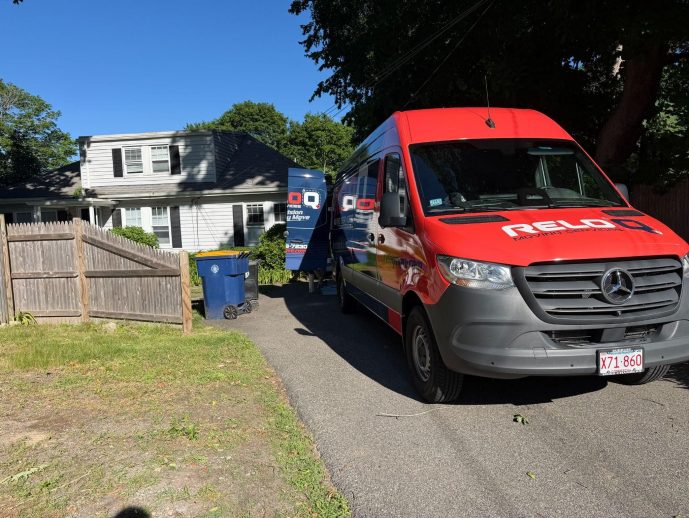
Many people try to handle it all themselves, and sometimes that works. But packing takes time, planning, and the right materials. Done badly, it can lead to broken items, delays, and a rough moving day. Working with Ashland movers can make the whole move feel less scattered from the start.
Packing Is More Time-Consuming Than Most People Expect
Most people do not own “a few things.”
They own a life.
That life is hiding in closets, drawers, shelves, cabinets, storage bins, and the back of the garage.
Packing it takes longer than expected because every item needs a decision. Keep it? Donate it? Wrap it? Toss it? Pack it now or leave it out until the last day?
That mental work adds up.
Then there are supplies. Boxes in different sizes. Tape. Packing paper. Bubble wrap. Markers. Labels. Mattress covers. Maybe wardrobe boxes. Maybe dish boxes. Maybe extra supplies because the first round was not nearly enough.
It is very common to start packing with confidence and end the night surrounded by half-filled boxes.
Especially when regular life does not stop.
People still have work. Kids. Pets. errands. Laundry. Dinner. Calls to make. Address changes. Utility transfers. All of it happening while the home is slowly turning into a maze.
Professional packing helps because it turns a huge, messy job into a system. Room by room. Item by item. Fragile things handled properly. Boxes filled in a way that makes sense.
No dramatic hero moment required.
Just steady progress.
Proper Packing Helps Protect Valuable Belongings
A lot of moving damage starts before anything goes into the truck.
It starts with how things are packed.
A plate placed flat in a box instead of upright. A lamp shade crushed under something heavier. A mirror wrapped with one thin towel. Electronics tossed in with cords and random office supplies.
Nobody means to do it badly.
People are just tired.
Good packing reduces risk because the materials match the item. Fragile kitchenware needs cushioning. Artwork needs protection around corners and surfaces. Electronics need padding and room to avoid pressure. Heavy items need smaller boxes. Light bulky items can go in larger ones.
That sounds simple.
Until there are 80 boxes to pack.
The inside of the box matters too. Items should not shift around during transport. Empty space can lead to movement, and movement can lead to cracks, chips, dents, and broken pieces.
Professional packers are used to thinking this way. Not because the process is magical. Because it is practiced.
They know which items need extra support. They know when a box is too heavy. They know when something should not be packed with something else.
And yes, that can save money.
Replacing dishes, glassware, frames, electronics, or sentimental pieces is often more expensive than people expect. Some things cannot really be replaced at all.
Better Organization Makes Unpacking Easier
Packing is not only about getting out of the old home.
It is also about surviving the new one.
This is where rushed packing becomes painful.
A box labeled “living room” might be fine. A box labeled “living room, books and remotes” is much better. A box with no label is a small future problem waiting quietly in the corner.
Clear labeling saves time when the truck is unloaded. Boxes go to the right rooms. Fragile items are easier to spot. Essentials do not disappear into a pile.
Grouping similar items together helps too.
Kitchen with kitchen. Office with office. Bathroom with bathroom. Not “a little kitchen, one shoe, batteries, and a framed photo” because the box had space.
That kind of packing feels efficient in the moment.
It is not.
It just moves the confusion to the new home.
A good packing system also protects the first few days after the move. The first night should not require opening fifteen boxes to find soap, phone chargers, pajamas, coffee, or medication.
Essentials should be packed separately and clearly marked.
Very clearly.
The goal is not to unpack the whole home in one day. The goal is to make the first day livable. Clean clothes. Toiletries. Basic kitchen items. Important documents. Pet supplies. Kids’ items if needed.
Professional packing often includes this kind of organization, or at least makes it much easier to maintain. Boxes are labeled consistently. Similar items stay together. Fragile items are handled with intention.
Unpacking becomes less of a guessing game.
And after a long move, that matters a lot.
When Professional Packing Makes the Most Sense
Not every move needs full packing help.
A small apartment with a flexible schedule? DIY may be fine.
But some situations are different.
Large households are one of them. More rooms, more furniture, more closets, more dishes, more everything. Packing becomes a serious project, not a weekend task.
Long-distance moves are another. When belongings will travel farther, spend more time in the truck, or move through multiple stages, packing quality matters even more.
Busy schedules make professional packing worth considering too. If someone is working full time, managing children, caring for family, or handling closing paperwork, packing can become the thing that keeps getting pushed back.
Until it cannot be pushed anymore.
Families with young children often benefit from help because moving with kids is already a lot. Someone still needs snacks, naps, school routines, clean clothes, and attention while the home is being packed.
Seniors may also need extra support, especially when downsizing after many years in one home. That kind of move can be emotional as well as physical. Packing is not just boxes. It is memories, paperwork, furniture decisions, and family coordination.
Professional packing makes sense when the cost of doing it alone is not only money.
Sometimes the real cost is exhaustion.
Or broken items.
Or three days of chaos that could have been avoided.
Final Thoughts
Packing is one of the most important parts of a successful move.
It decides how protected belongings are. How fast loading goes. How smooth unpacking feels. How calm the first night in the new home can be.
It is easy to treat packing like the simple part.
It rarely is.
Done well, it prevents damage, saves time, and keeps the move organized. Done in a rush, it creates problems that follow people from one home to the next.
Professional packing does not make sense for every single move. But for large homes, busy families, long-distance relocations, seniors, or anyone already stretched thin, it can save far more than it costs.
Not just in dollars.
In time. In stress. In fewer broken things. In not having to wonder which box has the coffee maker.
That alone is worth something.
Comments
