Categories more
- Adventures (179)
- Arts / Collectables (238)
- Automotive (190)
- Aviation (259)
- Bath, Body, & Health (447)
- Children (88)
- Cigars / Spirits (225)
- Cuisine (602)
- Design/Architecture (674)
- Electronics (200)
- Entertainment (139)
- Event Planning (271)
- Fashion (450)
- Finance (148)
- Gifts / Misc (115)
- Home Decor (453)
- Jewelry (283)
- Pets (72)
- Philanthropy (92)
- Real Estate (313)
- Services (199)
- Sports / Golf (184)
- Vacation / Travel (920)
- Watches / Pens (187)
- Wines / Vines (717)
- Yachting / Boating (240)


Why the Luxury Jewellery Business is Shifting Towards Artisan Craftsmanship

Published
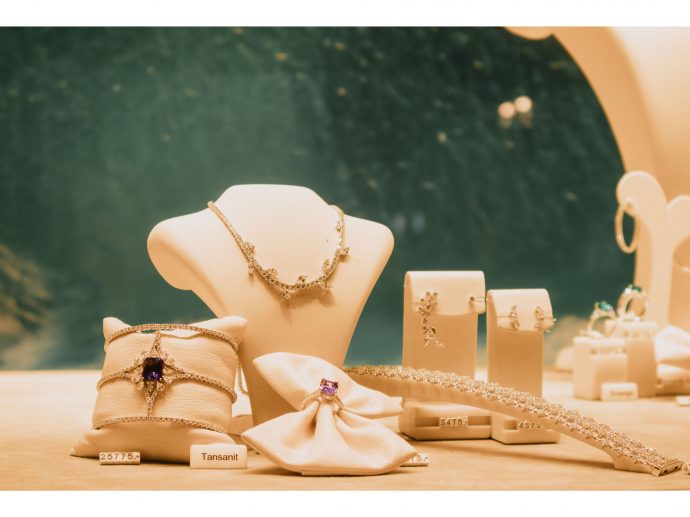
09/29/2026Luxury jewellery now commands a dominant 40 percent share of global jewellery revenue, far outpacing the fashion and costume segments in both growth and resilience. However, the way affluent buyers interact with this market is undergoing a profound transformation. Gone are the days when high-net-worth individuals merely sought out the largest logos or mass-produced items of prestige to display their wealth. Today, there is a distinct move towards a highly selective purchasing mindset, driven by a desire for authenticity and personal connection. Consumers are steadily shifting their investment focus towards independent boutiques and unique, narrative-driven pieces. For instance, the market for handcrafted jewelry has seen tremendous growth as discerning buyers increasingly value the individualised attention and distinctive character that independent artisans provide. This bespoke approach allows modern boutiques to successfully compete with global heritage houses by offering unmatched emotional resonance, transforming standard accessories into meaningful family heirlooms.
The Financial Power of Distinctive Brands
The global personalised jewellery market is projected to reach an impressive $118.07 billion by 2035, growing at a steady rate as affluent buyers demand greater customisation. This shift is not just a fleeting aesthetic trend, as it represents a major reallocation of luxury capital across the globe. High-net-worth buyers increasingly view bespoke and collectible pieces as a secure asset class to hedge against inflation and economic uncertainty. They note that high-end artisanal creations have often proven more stable than traditional stock portfolios during periods of sudden market volatility. The financial data backs up this behavioural shift in luxury spending. According to top industry analysis, branded fine jewellery is projected to achieve a compound annual growth rate of 8 to 12 percent by 2025, capturing an estimated $80 to $100 billion as consumers seek out closer relationships with distinctive creators who can offer long-term value alongside exceptional design.
Changing Values and the Demand for Personalisation
A significant portion of this market shift is being driven by Millennials and Gen Z buyers, whose spending power will dominate the luxury sector in the coming decade. These younger consumers are fueling the quiet luxury movement, firmly rejecting loud, logo-heavy designs in favour of subtle pieces that offer genuine narrative value. Furthermore, female luxury clients at major auction houses like Christie's saw a 20 percent year-over-year increase in 2026, driven by a desire to build collections that act as wearable art rather than simple status symbols. As explored in a recent discussion on how modern luxury jewellery is evolving through personalisation and sustainability, modern consumers are prioritising unique designs that allow them to express their individuality. This deep emotional connection to a bespoke piece simply cannot be replicated by mass-market prestige brands, giving independent artisans a crucial competitive advantage in today's crowded retail landscape.
Key Drivers Propelling Artisan Craftsmanship
Several critical factors are accelerating the luxury sector's transition towards bespoke and artisanal business models. The modern buyer is highly educated and demands more from their investments than just visual appeal. The primary drivers propelling this industry evolution include:
- Ethical Sourcing and True Transparency: A recent market survey revealed that 65 percent of millennial luxury buyers consider transparent certifications an essential baseline before making a purchase. With 57 percent of consumers noticing misleading sustainable claims by major luxury brands, younger buyers are pivoting towards independent artisans who can offer authentic transparency regarding their material supply chains.
- Technological Innovations in Retail: The integration of advanced 3D configurators and artificial intelligence design tools on boutique e-commerce platforms has drastically reduced customisation costs. This technology enables smaller, independent workshops to offer bespoke services at an accessible scale, levelling the playing field against larger competitors.
- Changing Regional Tastes: Even in high-volume markets like the UAE, which historically consumed massive quantities of standardised pieces, younger buyers are shifting away from traditional 22-carat mass-market items. They now favour lightweight, customised 18-carat jewellery forged from ethically sourced materials.
- Heightened Customer Experience: Specialist retailers offering high-touch bespoke services, such as in-depth design consultations and custom gemstone setting, are reporting up to a 15 percent increase in repeat business from clients utilising these highly personalised retail experiences.
The Future of the Bespoke Market
As the luxury industry continues to evolve, major European markets like the UK and France are already seeing substantial growth in boutique online sales. This growth is fueled almost entirely by consumer demand for flexibility in stone selection, hand-engraving, and direct artisan involvement throughout the creation process. A prominent aesthetic trend dubbed Digital Nouveau is also emerging, seamlessly blending the traditional handcrafting techniques of early 1900s Art Nouveau with cutting-edge digital design motifs. This hybrid approach allows jewellers to create highly intricate pieces that would have been impossible to manufacture just a decade ago.
The distinction between mass-produced high-end accessories and intimately crafted personal artifacts will only grow sharper in the coming years. Independent makers and agile luxury businesses that prioritise meticulous craftsmanship, radical transparency, and personal storytelling are perfectly positioned to capture this lucrative, high-intent consumer segment. Ultimately, the future of fine jewellery lies not in what can be produced on a grand scale, but in what can be thoughtfully created for the individual.
Comments
