Categories more
- Adventures (200)
- Arts / Collectibles (316)
- Automotive (219)
- Aviation (283)
- Bath, Body & Health (514)
- Children (116)
- Cigars / Spirits (271)
- Cuisine (730)
- Design / Architecture (1096)
- Electronics (222)
- Entertainment (160)
- Event Planning (299)
- Fashion (550)
- Finance (197)
- Gifts / Misc (141)
- Home Decor (556)
- Jewelry (395)
- Pets (91)
- Philanthropy (124)
- Real Estate (386)
- Services (227)
- Sports / Golf (219)
- Vacation / Travel (1059)
- Watches / Pens (223)
- Wines / Vines (868)
- Yachting / Boating (1582)


What to Do When a Car Accident Only Damages Your Vehicle

Published
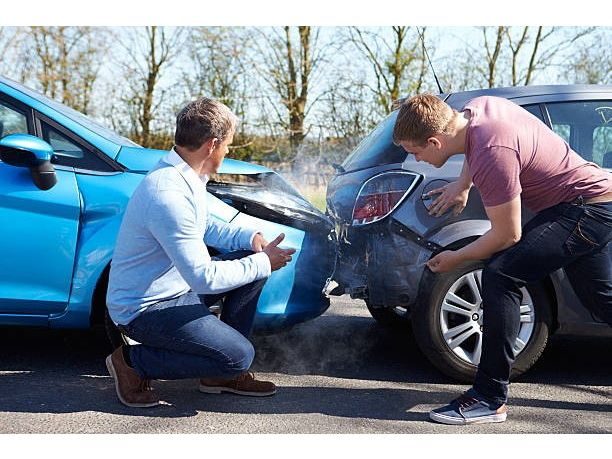
05/20/2026If a car accident only damages your vehicle and no one is injured, your immediate options depend on who caused the crash and what insurance coverage is in play. Acting quickly and correctly protects your right to be fully compensated for the damage.
Understanding the different categories of claims is crucial for navigating the aftermath of a collision effectively. Distinguishing between property damage and personal injury cases helps focus initial actions and gather the right evidence. This foresight is especially valuable when assessing the potential need for legal representation, as an attorney at Hoffman, Sternberg, Karpf & Lynch, LLC can help determine the best course for pursuing compensation. Identifying which type of claim is primary directly influences the evidence collected and the parties contacted in the moments following an incident.
Property damage claims are handled separately from injury claims, and the rules that govern them vary by state. If you were not at fault, the at-fault driver's liability insurance is typically responsible for paying to repair or replace your vehicle. Knowing this distinction early shapes every step you take after the crash.
What to Do Right After the Accident
Even in a minor crash, the actions you take in the first few minutes matter. Skipping steps can complicate your claim later, regardless of how clear-cut the situation seems.
Steps to Take
- Move to a safe location if your vehicle is drivable and it is safe to do so, then turn on your hazard lights.
- Call the police even for property-only accidents, since a police report creates an official record of the crash.
- Document everything by photographing all vehicle damage, the surrounding area, road conditions, and any visible skid marks.
- Exchange information with the other driver, including name, contact details, license plate number, and insurance information.
- Notify your insurance company as soon as possible, even if the other driver was at fault.
- Get a repair estimate from a licensed body shop before agreeing to any payment or signing a release form.
Filing a Property Damage Claim: Your Two Main Options
When your vehicle is damaged, you generally have two paths to seek compensation.
Option 1: File Through the At-Fault Driver's Insurance
This is called a third-party claim. You contact the other driver's insurer directly and present your police report, photos, and repair estimates. The insurer will assign an adjuster to evaluate your claim.
While the focus here is vehicle damage, a collision often involves more than just property loss. Individuals can sustain injuries requiring medical attention and impacting their ability to work. In such cases, the process extends beyond property adjusters to include assessments of bodily harm and its long-term effects. Navigating these complexities typically means dealing with medical records, lost wages and pain and suffering. A personal injury lawyer can help evaluate these types of claims and guide you through the compensation process for any physical harm you’ve endured.
Option 2: File Through Your Own Insurance
If you have collision coverage, you can file with your own insurer and let them recover costs from the at-fault party through a process called subrogation. You may need to pay your deductible upfront, but your insurer often reimburses it once they recover funds. For business owners operating vehicles, having proper commercial auto insurance Alabama coverage can help simplify claims handling and reduce financial strain during accident recovery situations.
|
Factor |
Third-Party Claim |
Your Own Insurance |
|
Deductible required |
Usually no |
Yes, often upfront |
|
Speed of process |
Can be slower |
Typically faster |
|
Best when |
Fault is clear |
Fault is disputed |
How Fault Affects Your Claim
Most states use comparative or contributory negligence rules to determine how much each driver can recover. Under comparative negligence, your payout is reduced by your percentage of fault. A few states still follow contributory negligence, which can bar any recovery if you were even partially at fault.
Under California Civil Code Section 1714 and similar statutes in other states, every driver has a duty to operate their vehicle with reasonable care. If the other driver breached that duty and it caused your loss, they are financially liable for your property damage.
What Counts as a Total Loss?
Insurers declare a vehicle a total loss when the cost to repair it exceeds a set percentage of the car's actual cash value, often between 70 and 80 percent, depending on the state. If your car is totaled, the insurer pays you the market value of the vehicle at the time of the crash, not the amount you paid for it or what it would cost to replace it with a newer model.
You have the right to dispute the insurer's valuation if you believe it is inaccurate. Gather comparable listings from the same region and submit them as evidence.
Legitimate Dispute vs. Negligence: Why It Matters
Not every property damage case is straightforward. Sometimes the at-fault driver's insurer disputes liability, argues comparative fault, or undervalues your vehicle.
- A legitimate dispute involves genuinely unclear facts, such as conflicting accounts of a traffic signal at an intersection.
- Negligence involves a clear failure to drive safely, such as rear-ending a stopped vehicle or running a red light.
The circumstances can become more complicated when a commercial truck is involved, since determining who is responsible may require looking at additional factors surrounding the driver, vehicle, and crash. In these situations, understanding how liability applies can be especially important. Berger and Green can help people involved in truck accidents understand their legal options and the factors that may affect their claim.
The distinction matters because a clearly negligent at-fault driver leaves their insurer with little room to deny liability. A disputed case may require additional evidence, witness statements, or legal help.
Key Takeaways
- Move to safety, call the police, and document everything immediately after a property-only accident.
- You can file either through the at-fault driver's insurer or your own collision coverage.
- The at-fault driver's liability insurance is responsible for your repair or replacement costs when fault is clear.
- Fault rules vary by state and can reduce or eliminate your recovery if you share blame for the crash.
- A total loss payout is based on actual cash value, not replacement cost, and you can dispute a low valuation.
- Police reports, photos, and written estimates are your strongest tools in any property damage claim.
- Acting quickly and preserving all evidence gives you the best position, whether the case is settled or disputed.
Comments
